
Linru Medicinal Wine,*Henan Provincial Pharmaceutical Standards*.,Rheumatic numbness, cold pain in the lower back and spine, hemiplegia, facial paralysis, and postpartum stroke.
Linru Medicinal Wine
Disclaimer: These statements have not been evaluated by the Food and Drug Administration (FDA). This product is not intended to diagnose, treat, cure, or prevent any disease. All references in this article to TCM syndrome differentiation, herbal medicines, teas, and decoctions are intended to promote TCM culture and are provided solely for educational and reference purposes.
Formulas Name : Linru Medicinal Wine
Chinese Name : 临汝药酒
Drug Formulation
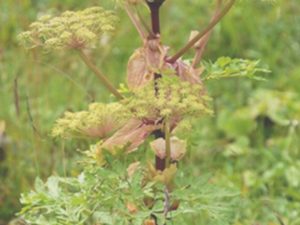
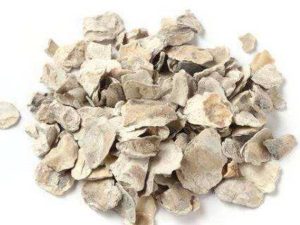
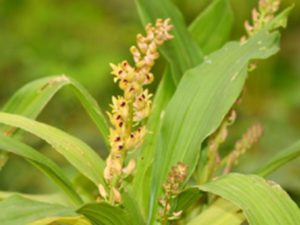
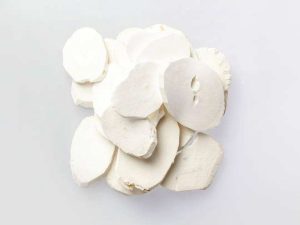
250g of Angelica sinensis, 250g of Alpinia officinarum, 750g of raw Aconitum carmichaeli, 250g of cloves.
Source
*Henan Provincial Pharmaceutical Standards*.
Processing
Grind the cloves into a coarse powder; slice the remaining herbs. Mix them together and place them in a bag. Add 6,000 milliliters of white liquor at 61°C, seal tightly, and heat in a water bath until the internal temperature reaches 65–70°C. Maintain this temperature for 24 hours, then allow to cool to room temperature. Filter, press the residue, and combine the filtrate with the pressed liquid.Separately, take 1,000 g of brown sugar and stir-fry until it turns brown and tastes bitter; add it to the liquor and stir until evenly mixed. Let stand for 5–7 days, then filter through gauze. Once the liquid is clear, bottle it, inspect under a lamp, and package to complete the product.
Benefits
Rheumatic numbness, cold pain in the lower back and spine, hemiplegia, facial paralysis, and postpartum stroke.
Instructions for Use
Take orally, 1 milliliter per dose, twice daily, on an empty stomach in the morning and evening.
Note
Avoid hot foods and beverages for two hours after taking this medicine; contraindicated for patients with hypertension, heart disease, and pregnant women.
Copyright: Excerpt from *Henan Provincial Pharmaceutical Standards*., Copyright belongs to the Original Author and all original sources, This article was shared by DeDe on August 26, 2026, Please credit the source and include a link to the original article when reposting.
Terminology Proofreading: [Cheng Bo] | August 26, 2026 Reviewed by: [Wang Zhongxiang, Associate Chief TCM Physician (China)] | August 26, 2026
Correct Content Errors: Errors may occur during the writing, editing, translation, and publication of website content. If you find any errors or inaccurate information in this article, please feel free to Contact Us to report them, and we will correct them promptly.
FDA Disclaimer: The descriptions of the efficacy of Chinese herbal medicines, herbal teas, decoctions, and formulas, as well as the content on Traditional Chinese Medicine (TCM) diagnostic theory and traditional TCM therapies contained on this site, are intended solely for the purpose of popularizing TCM culture and serving as an educational reference; they do not constitute medical diagnosis or treatment advice. Please do not attempt to use these products on your own without proper guidance. These statements have not been evaluated by the Food and Drug Administration. This product is not intended to diagnose, treat, cure, or prevent any disease. If you are experiencing any physical discomfort, please consult a licensed healthcare professional and seek treatment at a reputable medical institution. This platform assumes no responsibility for any consequences resulting from the use of herbs or formulas by any individual based on the information provided on this site. Please read Medical Disclaimer.
Linru Medicinal Wine,Rheumatic numbness, cold pain in the lower back and spine, hemiplegia, facial paralysis, and postpartum stroke.