Litsea cubeba, a name in traditional Chinese medicine. It is the dried, ripe fruit of Litsea cubeba (Lour.) Pers., a plant of the genus Litsea in the family Piperaceae. It has the therapeutic effects of warming the middle burner to dispel cold and regulating qi to relieve pain. It is primarily used to treat abdominal pain due to stomach cold, vomiting, hiccups, abdominal pain caused by cold hernia, difficulty urinating due to deficiency-cold in the lower jiao, or cloudy urine caused by stagnation of cold and dampness.

Litsea
Litsea cubeba, a name in traditional Chinese medicine. It is the dried, ripe fruit of Litsea cubeba (Lour.) Pers., a plant of the genus Litsea in the family Piperaceae. It has the therapeutic effects of warming the middle burner to dispel cold and regulating qi to relieve pain. It is primarily used to treat abdominal pain due to stomach cold, vomiting, hiccups, abdominal pain caused by cold hernia, difficulty urinating due to deficiency-cold in the lower jiao, or cloudy urine caused by stagnation of cold and dampness.
Chinese Name : 荜澄茄
Latin Name : Litseae Fructus
Aliases : Chengjia, Piling Eggplant, Biqie
Nature, Flavor & Meridian Tropism : Pungent in taste, warm in nature; enters the Spleen, Stomach, Kidney, and Bladder meridians
Benefits & Efficacy
Benefits
Warms the middle burner, dispels cold, regulates qi, and relieves pain.
Indications
1. Abdominal pain, vomiting, and hiccups due to stomach cold: This herb has pungent and dispersing properties and a warming nature, capable of warming the middle burner, dispelling cold, and relieving pain. 2. Abdominal pain due to cold hernia: This herb has a pungent taste and warm nature, capable of dispelling cold, regulating qi, and relieving pain. 3. Treats difficulty urinating due to deficiency-cold in the lower jiao or cloudy urine due to cold-dampness stagnation.
Usage and Dosage
Oral use: Decoct and take 1.5–3 g.
Precautions
Contraindicated in cases of yin deficiency with excessive fire or excessive real heat.
Chemical Constituents
The fruit contains piperine, palmitic acid, tetrahydropiperic acid, essential oils, and other compounds.
Pharmacological Actions
The non-saponifiable fraction of its essential oil can reduce both exogenous and endogenous total cholesterol in animals; the essential oil can counteract hypoxia and myocardial ischemia caused by various conditions; correct experimental arrhythmias in animals; and has sedative, analgesic, and antipyretic effects.
Relevant Discussions
1. *Compendium of Materia Medica*: “Bi-bo is an essential medicine for headaches, nasal discharge, and toothaches; its pungent and hot nature enters the Yangming meridian to disperse superficial heat.”
2. *A Concise Guide to Materia Medica*: “Bi Bo is extremely pungent and hot, with a flavor similar to black pepper. It enters the Stomach and Large Intestine meridians and is a Yangming herb. It warms the middle burner and dispels cold, breaks up stagnant qi, relieves stagnation, descends qi, and eliminates phlegm. It can also dispel superficial heat in the Upper Jiao. All conditions such as toothache, headaches, and acid regurgitation that are attributed to damp-fire in the Yangming meridian can be treated with this herb.”
Applications
Clinical Applications
1. Used in combination with Galangal, Cloves, and Magnolia Bark to treat cold in the stomach, cold pain in the epigastrium and abdomen, vomiting, and hiccups.
2. Often used in combination with Evodia, Cyperus, and Wood Fragrance to treat abdominal pain caused by cold hernia.
Related Compatibility
1. Piper longum combined with Alpinia officinarum: Piper longum excels at warming the middle burner, dispelling cold, descending qi, and relieving pain; Alpinia officinarum excels at dispelling cold, relieving pain, warming the stomach, and stopping vomiting. When combined, these two herbs enhance the effects of warming the stomach, dispelling cold, descending rebellious qi, and stopping vomiting. This combination is suitable for vomiting due to cold damage that occurs irregularly day and night.
2. Piper longum combined with Cinnamomum cassia: Piper longum excels at warming the middle burner, dispelling cold, descending qi, and relieving pain; Cinnamomum cassia excels at tonifying fire, assisting yang, dispelling cold, and relieving pain. When combined, these two herbs enhance the effects of warming the spleen and stopping diarrhea. This combination is suitable for conditions such as spleen deficiency with cold stagnation, epigastric pain, vomiting, and diarrhea.
3. Amomum combined with Clove: Amomum excels at warming the middle burner, dispelling cold, descending qi, and relieving pain; Clove excels at warming the middle burner, dispelling cold, subduing counterflow, and stopping vomiting. When combined, these two herbs enhance the effect of descending qi and stopping vomiting. This combination is suitable for conditions such as hiccups and vomiting caused by stomach cold.
4. Combination of Bi Cheng Jia and Wu Zhu Yu: Bi Cheng Jia also enters the Kidney meridian, where it warms the Kidneys, dispels cold, warms and harmonizes the bladder, and regulates qi to relieve pain; Wu Zhu Yu primarily enters the Liver meridian, where it excels at warming the Liver, dispelling cold, soothing the Liver, subduing counterflow, and regulating qi to relieve pain.When combined, these two herbs enhance the effects of warming the liver and kidneys, dispelling cold, and relieving pain. This combination is indicated for abdominal pain caused by cold hernia, particularly when the pain radiates to the testicles.
5. Piper longum combined with Cyperus rotundus: Piper longum excels at descending qi and relieving pain; Cyperus rotundus excels at regulating the liver and harmonizing qi. When combined, these two herbs enhance the effects of regulating qi and relieving pain. This combination is indicated for abdominal pain caused by cold hernia.
6. Bi Cheng Jia combined with Fu Zi: Bi Cheng Jia excels at warming the middle burner and dispelling cold; Fu Zi excels at warming the kidneys and assisting yang. When combined, these two herbs work to warm the kidneys and dispel cold. This combination is suitable for conditions such as kidney and bladder deficiency-cold, and difficulty urinating.
7. Bi Cheng Jia combined with Yi Zhi Ren: Bi Cheng Jia excels at warming the middle burner and dispelling cold, as well as descending qi and relieving pain; Yi Zhi Ren excels at warming the kidneys, assisting yang, consolidating essence, and reducing urination. When combined, these two herbs enhance the effects of tonifying the kidneys, dispelling cold, consolidating essence, and reducing urination. This combination is suitable for conditions such as cold-damp stagnation and cloudy urine.
Medicinal Identification
1. Piper longum and Piper nigrum: Both herbs are derived from the fruits of plants in the Piperaceae family; they are pungent in taste and warm in nature. Both are effective at warming the middle burner, dispelling cold, and relieving pain, and are used to treat cold in the stomach, cold pain in the epigastrium and abdomen, vomiting, and diarrhea.However, ground Piper longum applied between the teeth also treats toothache caused by dental caries. Piper longifolium is particularly effective at dispelling cold pathogens or cold-dampness from the lower jiao; it also regulates qi and treats cold-induced hernia pain, difficulty urinating due to cold syndromes, and cloudy urine caused by cold-dampness.
2. Bi Cheng Jia and Bi Xie: Both herbs can be used to treat cloudy urine. However, Bi Cheng Jia is pungent and warm, primarily entering the Spleen and Stomach meridians while also affecting the lower jiao. It not only warms the middle burner, dispels cold, descends qi, and relieves pain, but also warms the kidneys, dispels cold, warms and transforms the bladder, and regulates qi to relieve pain. It is primarily used for cloudy urine caused by cold-dampness stagnation.Bi Xie is bitter and neutral in nature, primarily entering the Bladder Meridian. It drains dampness, separates the clear from the turbid, and is a key herb for treating cloudy urine or “greasy dysuria” characterized by a white, rice-water-like appearance. Bi Xie can also dispel wind and remove dampness, making it useful for treating rheumatic arthralgia and damp-heat sores and toxins.
3. Bi Cheng Jia and Black Pepper:Both of these herbs are derived from the fruits of plants in the Piperaceae family. They share a pungent taste and warm-hot nature, and are both effective at warming the middle burner, dispelling cold, and relieving pain to treat cold in the stomach, cold pain in the epigastrium and abdomen, vomiting, and diarrhea. However, black pepper dispels cold more quickly and is often used as a seasoning to stimulate the appetite; it also descends qi and resolves phlegm, treating epilepsy with excessive phlegm. White pepper dispels cold more persistently and is also frequently used medicinally;it is particularly effective at dispelling cold pathogens or cold-dampness from the Lower Jiao, and it can regulate qi, also treating cold hernia-induced abdominal pain, difficulty urinating due to cold syndromes, and cloudy urine caused by cold-dampness.
4. Black Cardamom and Fennel: Both herbs have the effects of dispelling cold, relieving pain, warming the middle burner, and stopping vomiting; they can be used for cold hernia-induced abdominal pain, testicular torsion, and abdominal pain with vomiting.However, Bi Cheng Jia is pungent and warm, primarily entering the Spleen and Stomach meridians and also affecting the lower jiao; its main functions are to warm the middle burner, dispel cold, descend qi, and relieve pain, while it can also warm the kidneys and dispel cold. Fennel is pungent, warm, and aromatic, primarily entering the Liver and Kidney meridians; its main functions are to warm the kidneys and liver, regulate qi, and relieve pain, while it can also warm the middle burner, regulate qi, harmonize the middle burner, and stop vomiting.
5. Amomum villosum and Clove: Both herbs are pungent and warm, entering the Spleen, Stomach, and Kidney meridians, and both can warm the middle burner and descend counterflow, making them suitable for treating vomiting due to stomach cold and cold pain in the epigastrium and abdomen. However, Amomum villosum primarily warms the middle burner, dispels cold, descends qi, and relieves pain, while its ability to descend counterflow and stop vomiting is milder.Clove, on the other hand, specializes in warming the middle burner, dispelling cold, subduing counterflow, and stopping vomiting, making it a key herb for treating vomiting due to stomach cold. Amomum also has the effects of warming the kidneys, dispelling cold, warming and regulating the bladder, promoting the flow of qi, and relieving pain; it is used for various conditions involving cold stagnation and qi stagnation in the lower jiao. Clove also has the effect of warming the kidneys and assisting yang, and is used for kidney deficiency-induced impotence.
Related Medicines
Bi Ling Stomach Pain Granules, Bronchitis Rubber Plaster, Ginseng and Deer Antler Black Tin Pills.
Related Prescriptions
Zhongman Fenxiao Decoction (*Lan Shi Mi Cang*), Jinlingzi Powder (*Tai Ping Sheng Hui Fang*), Jishixiang Powder (*Pu Ji Fang*), Gui Ding Ding Tong Powder (*Yi Chun Sheng Yi*), Yingying Pills (*San Yin Fang*).
Processing & Preparation
Harvesting & Processing
Harvest the fruit branches when the fruits are fully developed but still green and unripe; dry them, then remove the fruits.
Processing Methods
Take the raw herbal material, remove impurities and residual fruit stalks, wash thoroughly, and sun-dry. Crush before use.
Storage Methods
Store in a tightly sealed, dry container in a cool, dry place. Protect from moisture.
Crude Drug Identification
Identification
Take 0.25 g of the powdered crude drug, add 10 mL of petroleum ether (60–90 °C), subject to ultrasonic treatment for 15 minutes, allow to cool, filter, and use the filtrate as the test solution.Separately, take 0.25 g of the reference material (Caryophyllus aromaticus) and prepare a reference solution using the same method. Perform thin-layer chromatography (General Chapter 0502): pipette 5 μl of each of the two solutions and apply them separately onto the same high-efficiency silica gel G plate. Develop the plate using a mobile phase of petroleum ether (60–90°C)-diethyl ether (3:2) as the developing agent, remove the plate, air-dry, spray with a 10% ethanol solution of sulfuric acid, and heat at 105°C until the spots become clearly visible. Examine the plates under natural light and under ultraviolet light (365 nm), respectively. In the test solution chromatogram, spots of the same color or fluorescent spots appear at positions corresponding to those in the reference herbal material chromatogram.
Properties of Crude Drugs
The upper part of the fruit is nearly spherical, with a diameter of 3–6 mm. The surface is dark brown to blackish brown, with reticulate wrinkles; at the apex, there is a faint, small protrusion representing the remnant of the stigma. The pericarp extends at the base, forming a slender, straight pseudopedicel 3–7 mm long and approximately 1 mm in diameter, with longitudinal wrinkles on the surface.The outer and middle pericarp layers are slightly soft, while the inner pericarp is thin, hard, and brittle. It contains a single immature seed, which is yellowish-brown, rich in oil, and sometimes shriveled and shrunken. It has a strong aromatic odor and a bitter taste. Those with large seeds, high oil content, and a strong aroma are considered superior.
Botanical Information
Botanical Classification
Piper nigrum, a plant of the genus Piper in the family Piperaceae.
Morphological Characteristics
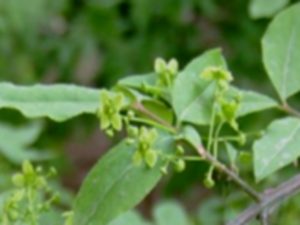
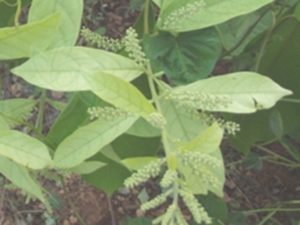
An evergreen climbing vine, growing to about 6 m in length. Leaves are alternate, elliptic-ovate or long-ovate, with a gradually tapering apex, a rounded or oblique-cordate base, entire margins, and smooth, glabrous surfaces on both sides. Flowers are unisexual, with separate male and female plants; they form solitary spike-like inflorescences about 10 cm long. The flowers are small, white, and lack a perianth. The drupe is spherical, about 5 mm in diameter, and blackish-brown.Fruiting period: August–September.
Distribution Area
It is distributed in Indonesia, the Malay Peninsula, India, the West Indies, and other regions. It has been introduced and cultivated in Guangdong, Hainan, Guangxi, and other areas of China.