What is Ningxia goji berry? As a herbal pharmacist, I break down botanical identity, growing conditions, active compounds, quality markers and buying tips.
Ningxia goji berry is the premium authentic cultivar of Lycium barbarum, grown primarily in the Ningxia Hui Autonomous Region of northwest China, with Zhongning County widely recognized as its classic daodi (geo-authentic) origin. This is the variety used in nearly all human clinical research on goji berry health benefits. Many shoppers ask: What makes Ningxia goji different from other wolfberries, and why is it considered the gold standard?
Unique Growing Environment
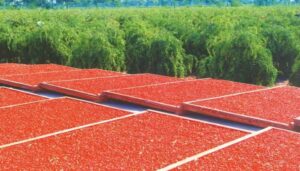
Ningxia sits along the Yellow River floodplain, with mineral-rich alkaline soil, abundant sunlight, low rainfall, and large day-night temperature swings. This climate encourages the shrub to accumulate high levels of protective bioactive compounds.
- Long sunshine hours drive carotenoid (zeaxanthin, lutein) production.
- Big temperature difference between day and night boosts LBP (Lycium barbarum polysaccharides) concentration.
- Yellow River irrigation delivers trace minerals including selenium and potassium.
Botanical & Physical Traits
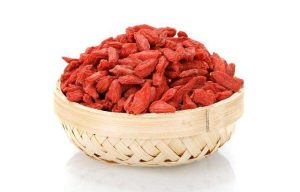
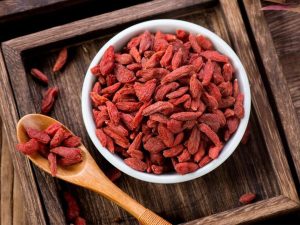
Botanical name: Lycium barbarum Appearance: Elongated spindle-shaped red dried berries, slightly wrinkled, sweet with a mild herbal undertone. Distinguish from Lycium chinense wolfberry:
- Ningxia Lycium barbarum: higher LBP, high zeaxanthin, preferred for herbal supplementation.
- Lycium chinense: often cheaper, lower polysaccharide content, frequently sold as bulk food-grade wolfberry.
Key Active Compounds in Ningxia Goji
Lycium barbarum Polysaccharides (LBP) The primary bioactive marker. High-quality Ningxia berries contain consistently higher LBP than berries grown in many other regions. LBP supports immune function, HPA-axis balance, endothelial blood vessel protection and antioxidant defense.
Zeaxanthin & Lutein Ningxia goji is one of the richest natural dietary sources of zeaxanthin, which accumulates in the eye macula to filter blue light and protect retinal tissue. This is the main reason it is recommended for screen strain and long-term eye health.
Other nutrients: beta-carotene, flavonoids (quercetin, rutin), amino acids, zinc and selenium.
Real Client Case: Comparing Ningxia vs Xinjiang Goji
A client purchased two bags of dried berries: premium certified Ningxia Zhongning goji and low-cost Xinjiang goji. The Xinjiang berries were larger and sweeter, but lab analysis showed lower LBP and zeaxanthin. I explained: bigger berries do not equal higher therapeutic potency. If eye and antioxidant benefits are your goal, select Ningxia Lycium barbarum.
Clinical Research & Industry Data
Virtually all peer-reviewed human trials investigating goji berries for eye health, oxidative stress, immune support and cardiovascular wellness use Ningxia-sourced Lycium barbarum. Other regions produce edible berries, but active compound levels are less consistent.
Important reality check: The label “Ningxia” alone does not guarantee quality. Some brands mislabel berries. Always verify the Latin botanical name, and look for unsulfured, no added sugar certification.
Recommended Dosage
Dried Ningxia goji berries: 10–12g daily. Do not exceed 20g per day. Standardized LBP extract made from Ningxia berries: 500–1000mg daily.
Buying Checklist for Genuine Ningxia Goji
- Latin botanical name: Lycium barbarum
- Origin marked Zhongning / Ningxia Hui Autonomous Region
- Unsulfured, no added sugar, no artificial color
- Avoid overly bright neon-red berries (often sulfur-fumigated)
- Organic or GAP-certified preferred to reduce pesticide and heavy metal risk
Safety Notes & Herb-Drug Interactions
Safety profile is identical to other goji berries, though potency is higher, so stick closely to recommended serving size.
- Blood thinners: Must get doctor approval before daily use
- Diabetes medication / insulin: Monitor blood glucose, goji may lower blood sugar
- Antihypertensive drugs: Risk of excessive blood pressure reduction
- Nightshade allergy: Avoid entirely
Disclaimer: Ningxia goji berries are nutritional botanical food/supplement, NOT prescription medicine. This educational content does not replace advice from your healthcare provider.
Frequently Asked Questions
Q: Is “Tibetan goji” the same as Ningxia goji?
A: Most “Tibetan goji” is marketing terminology. It is usually still Lycium barbarum sourced from Ningxia. True Tibetan-grown goji is rare and expensive.
Q: Are bigger Ningxia berries better?
A: No. Larger berries taste sweeter but do not always have higher LBP or zeaxanthin content. Smaller head-harvest berries often have stronger therapeutic value.
Q: What is head crop Ningxia goji?
A: The first summer harvest (June–July). Head crop berries have the highest concentration of polysaccharides and carotenoids, considered premium grade.
Q: Is Ningxia goji organic by default?
A: No. Conventional farming is common. If avoiding pesticides, look for organic certification.