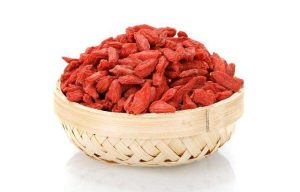
Can goji berries help support healthy blood sugar levels? As a herbal pharmacist, I break down how goji berries impact glucose regulation, active compounds, client story, research, dosage and safety warnings.
Blood sugar balance is foundational to sustained energy, weight management, and long-term metabolic health. Diet, insulin sensitivity, inflammation and oxidative stress all influence glucose fluctuations. Many clients ask: Do goji berries help stabilize blood sugar, and are they safe for people watching glucose levels?
As a herbal pharmacist, goji berries offer supportive metabolic benefits for maintaining healthy blood sugar. They are not a replacement for diabetes medication and cannot lower dangerously high blood sugar. LBP and antioxidants help improve insulin sensitivity, reduce oxidative stress on pancreatic cells and moderate post-meal glucose spikes when used appropriately.
Key Active Compounds for Blood Sugar Support
Lycium barbarum Polysaccharides (LBP) LBP is the primary bioactive compound for glucose metabolism. It enhances insulin sensitivity, helping cells absorb glucose more efficiently. Preclinical research shows LBP protects pancreatic beta cells, the cells that produce insulin, from oxidative and inflammatory damage. It also helps reduce postprandial blood sugar surges after meals.
Flavonoids: Quercetin, Rutin, Chlorogenic Acid These polyphenols slow carbohydrate digestion and glucose absorption in the digestive tract, softening sharp blood sugar spikes following meals. They also reduce chronic low-grade inflammation, a major driver of insulin resistance.
Zeaxanthin & Carotenoids Systemic antioxidant activity lowers oxidative stress, which worsens metabolic dysfunction and insulin resistance over time.
Dietary Fiber Natural fiber in whole dried goji berries slows sugar uptake in the gut, preventing rapid glucose rises.
Real Client Case: Mild Insulin Resistance
A 54-year-old client consulted me. His lab results showed prediabetes with elevated fasting glucose and mild insulin resistance. He was advised by his doctor to implement lifestyle changes before starting medication. He wanted gentle botanical support alongside diet adjustments and daily walking.
I recommended 10g dried goji berries daily, consumed in the morning with a protein-rich breakfast. I cautioned him to monitor blood sugar regularly.
After 12 weeks, his follow-up lab panel showed improved fasting glucose and better insulin sensitivity. He also reported more consistent energy with fewer midday sugar cravings. This demonstrates goji berries work best paired with lifestyle changes, and they are not a standalone treatment for prediabetes or diabetes.
Clinical Research & Industry Data
Human studies published in Nutrients and Journal of Ethnopharmacology indicate LBP helps improve insulin sensitivity and reduce post-meal blood sugar elevation in people with metabolic imbalance. Research notes goji’s fiber and polyphenol blend slow carbohydrate absorption.
Important reality check: Goji berries support healthy blood sugar management. They cannot cure diabetes or replace prescription glucose-lowering medications. Diabetics must never stop or adjust medication without physician approval.
Core Ways Goji Berries Support Blood Sugar
- Improve insulin sensitivity LBP helps body cells respond better to insulin, assisting glucose uptake from the bloodstream into tissues.
- Protect pancreatic beta cells Antioxidants reduce oxidative damage to insulin-producing beta cells, preserving long-term pancreatic function.
- Smooth post-meal glucose spikes Fiber and flavonoids slow carbohydrate digestion, preventing sharp blood sugar rises after eating.
- Reduce metabolic inflammation Chronic inflammation impairs insulin signaling; goji compounds calm this low-grade inflammation.
- Curb sugar cravings and stabilize energy Steady glucose levels reduce energy crashes and cravings for refined sugars.
Recommended Dosage for Blood Sugar Support
Whole dried goji berries are preferred, but portion control is critical due to natural fruit sugars.
- Standard daily serving: 10 grams dried goji berries for metabolic / blood sugar support
- Avoid higher doses (above 20g) because natural fruit sugars may counteract benefits for sensitive individuals.
- Start with a smaller serving and monitor personal glucose response.
- Allow 8–12 weeks of consistent intake to see improvements in insulin sensitivity markers.
Safety Notes & Herb-Drug Interactions
This section is especially important for anyone managing blood sugar:
- Diabetes medications / insulin: Goji berries may amplify glucose-lowering effects and raise risk of hypoglycemia. Regular blood sugar monitoring is mandatory. Work closely with your doctor.
- Blood thinners (warfarin): Goji berries may increase bleeding risk.
- Blood pressure medications: Goji can potentiate these drugs and lead to low blood pressure. Pregnant or breastfeeding individuals should consult a healthcare provider before long-term daily consumption.
Disclaimer: Goji berries are a nutritional herbal food supplement, NOT a treatment for diabetes or prediabetes. They cannot replace prescription medication, blood sugar monitoring, or lifestyle therapy for metabolic disease.
Frequently Asked Questions
Q: Are goji berries high in sugar?
A: Yes, dried goji contains natural fruit sugar. That’s why portion size must be strictly controlled for anyone managing blood sugar. Small servings are key.
Q: Can goji berries replace metformin or insulin?
A: Absolutely not. It is only supportive nutrition. Never adjust diabetes medications on your own.
Q: Is LBP extract better than whole goji berries for blood sugar?
A: Standardized LBP extracts deliver concentrated polysaccharides without the fruit sugar found in whole berries, making it a better option for those needing strict glucose control. Whole berries contain fiber but come with natural sugars.
Q: When should I eat goji berries for blood sugar benefits?
A: Pair them with protein or healthy fat at breakfast to further blunt glucose response; avoid eating goji berries alone on an empty stomach.