Can goji berries support healthy cholesterol levels? As a herbal pharmacist, I break down how goji impacts LDL, HDL and triglycerides, active compounds, client story, research, dosage and safety warnings.
Cholesterol imbalance, especially elevated LDL (“bad” cholesterol) and high triglycerides, raises long-term cardiovascular risk. Chronic inflammation and oxidative stress worsen lipid profile disruptions. Many clients ask: Can goji berries help lower bad cholesterol and protect heart health?
As a herbal pharmacist, goji berries offer gentle nutritional support for lipid metabolism. They are not a replacement for statins or prescription cholesterol medication. LBP and polyphenols help improve lipid profiles by reducing oxidative stress, lowering liver fat buildup and regulating cholesterol synthesis, when paired with diet and lifestyle adjustments.
Key Active Compounds for Cholesterol Support
Lycium barbarum Polysaccharides (LBP) LBP is the primary bioactive compound for lipid management. Preclinical and human research shows LBP helps reduce LDL cholesterol and triglycerides while supporting healthy HDL (“good” cholesterol) levels. It lowers hepatic inflammation and fat accumulation in liver tissue, the main organ responsible for cholesterol production. LBP also protects blood vessel linings from oxidative damage, slowing plaque formation.
Flavonoids: Quercetin, Rutin, Chlorogenic Acid These polyphenols inhibit cholesterol absorption in the digestive tract. They reduce oxidation of LDL cholesterol — oxidized LDL is the form that builds arterial plaque and damages blood vessels. They also ease systemic inflammation, a major driver of dyslipidemia.
Dietary Fiber Soluble fiber in dried goji berries binds to cholesterol in the gut, limiting its absorption into the bloodstream and helping reduce circulating LDL levels.
Carotenoids (Zeaxanthin, Lutein, Beta-carotene) Powerful antioxidants that reduce oxidative stress within vascular tissue, protecting artery walls from damage caused by excess lipids.
Real Client Case: Mild Elevated LDL and Triglycerides
A 52-year-old client consulted me. His blood test showed moderately high LDL and triglycerides, with normal HDL. His doctor recommended lifestyle changes before prescribing statins. He wanted natural botanical support alongside a low-sugar diet and daily walking.
I recommended 15g dried goji berries consumed each morning with breakfast. I advised him to continue routine lipid panel testing.
After 12 weeks, his follow-up bloodwork showed reduced LDL and triglyceride values. He also reported better energy and less brain fog. This case demonstrates goji berries work as an adjunct support; lifestyle changes remain the foundation of cholesterol management.
Clinical Research & Industry Data
Human trials published in Nutrients and Journal of Ethnopharmacology show daily goji intake can reduce LDL, triglycerides and increase HDL in people with dyslipidemia. Research highlights LBP’s role in reducing lipid peroxidation and preventing LDL oxidation.
Important reality check: Goji berries cannot cure high cholesterol, and cannot replace prescription lipid-lowering medications. If you are prescribed statins or other cholesterol drugs, never stop or adjust doses without physician approval. Results vary between individuals.
Core Ways Goji Berries Support Cholesterol Health
- Reduce LDL and triglycerides LBP and soluble fiber help lower circulating bad cholesterol and triglyceride levels.
- Protect LDL from oxidation Antioxidants prevent LDL oxidation, slowing arterial plaque development.
- Maintain healthy HDL cholesterol Supports optimal levels of HDL, which removes excess cholesterol from blood vessel walls.
- Lower liver fat accumulation Healthier liver function supports balanced endogenous cholesterol production.
- Reduce vascular inflammation and oxidative stress Calming inflammation protects artery linings and reduces cardiovascular risk.
Recommended Dosage for Cholesterol Support
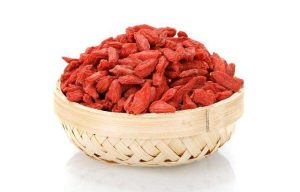
Whole dried goji berries deliver fiber plus full-spectrum antioxidants.
- Standard daily serving: 10–20 grams dried goji berries (roughly a small handful)
- Avoid exceeding 30g daily; high portions add excess natural sugar, which can raise triglycerides in sensitive people.
- Allow 8–12 weeks of consistent intake before repeating lipid panel testing.
Safety Notes & Herb-Drug Interactions
- Cholesterol medications (statins): Both statins and goji are metabolized partially in the liver. Consult your doctor before combining them to monitor liver enzymes and lipid levels.
- Blood thinners (warfarin): Goji berries may increase bleeding risk.
- Blood pressure medications: Goji can potentiate these drugs and lead to low blood pressure.
- Diabetes medication / insulin: Goji may lower blood sugar; regular glucose monitoring is required.
Pregnant or breastfeeding individuals should consult a healthcare provider before long-term daily consumption.
Disclaimer: Goji berries are a nutritional herbal food supplement, NOT a treatment for high cholesterol or cardiovascular disease. They cannot replace prescription medications, regular lab monitoring, heart-healthy diet or exercise. This educational content does not substitute advice from a cardiologist or primary care physician.
Frequently Asked Questions
Q: Can goji berries replace statins?
A: No. Goji only provides nutritional support. Never discontinue statins or adjust dosage without your doctor’s approval.
Q: Is LBP extract better than whole goji berries for cholesterol?
A: Standardized LBP extracts deliver concentrated polysaccharides without the fruit sugar and fiber of whole berries. Whole berries offer fiber that helps bind cholesterol in the gut.
Q: How long does it take goji berries to affect cholesterol readings?
A: Most lipid changes show up after 8–12 weeks of daily consistent intake. Individual results vary greatly based on diet, activity and genetics.
Q: Can goji berries help prevent arterial plaque?
A: By reducing LDL oxidation and vascular inflammation, it may help lower plaque progression risk as part of a heart-healthy lifestyle. It cannot reverse established arterial plaque.