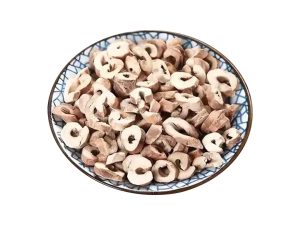
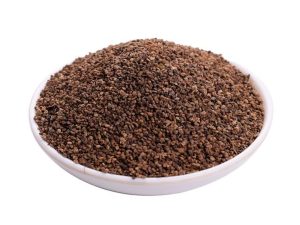
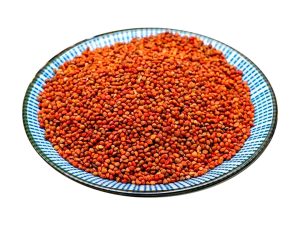
Platycladus Leaves, a name in traditional Chinese medicine. These are the young branches and leaves of Platycladus orientalis (L.) Franco, a plant belonging to the genus Platycladus in the Cupressaceae family. They have the effects of cooling the blood and stopping bleeding, resolving phlegm and relieving cough, and promoting hair growth and darkening hair. They are primarily used to treat hemoptysis, epistaxis, hematuria, bloody dysentery, and other hemorrhagic conditions, as well as coughs caused by lung heat, hair loss due to blood heat, and premature graying of hair and beard.

Thuja Orientalis Leaves
Platycladus Leaves, a name in traditional Chinese medicine. These are the young branches and leaves of Platycladus orientalis (L.) Franco, a plant belonging to the genus Platycladus in the Cupressaceae family. They have the effects of cooling the blood and stopping bleeding, resolving phlegm and relieving cough, and promoting hair growth and darkening hair. They are primarily used to treat hemoptysis, epistaxis, hematuria, bloody dysentery, and other hemorrhagic conditions, as well as coughs caused by lung heat, hair loss due to blood heat, and premature graying of hair and beard.
Chinese Name : 侧柏叶
Latin Name : Platycladi Cacumen
Aliases : Cypress leaves, Japanese cypress leaves, and cluster cypress leaves
Authentic Producing Area : Found in most regions of China.
Nature, Flavor & Meridian Tropism : Bitter and astringent in taste; cold in nature; enters the Lung, Liver, and Spleen meridians
Benefits & Efficacy
Benefits
Cools the blood and stops bleeding; resolves phlegm and relieves cough; promotes hair growth and darkens hair.
Indications
Mainly used for hemoptysis, epistaxis, hematuria, bloody dysentery, and other hemorrhagic conditions; as well as lung-heat cough, hair loss due to blood heat, and premature graying of hair and beard.
Usage and Dosage
1. Internal use: Decoct 6–15 g in water, or incorporate into pills or powders. 2. External use: Wash with a decoction, apply as a pounded poultice, or mix the powder with a carrier for topical application.
Precautions
1. Prolonged or excessive use may cause epigastric discomfort and loss of appetite. 2. Platycladus orientalis leaves contain tannins and should not be used in combination with Western medicines containing various metal ions, such as aluminum hydroxide preparations, calcium preparations, or ferrous preparations, as they may form complexes that impair absorption.
Chemical Constituents
Platycladus orientalis leaves contain 0.26% essential oil, the main components of which are platycladene, platycadene, and cumine;It also contains flavonoids such as naringin, quercetin, myricetin, and cypress diflavone; the leaves also contain trace elements including potassium, sodium, nitrogen, phosphorus, calcium, magnesium, manganese, and zinc.
Pharmacological Actions
1. Effects on the hematological system: A decoction of Thuja orientalis leaves significantly shortens bleeding and clotting times; its active hemostatic components are quercetin and tannins. 2. Antimicrobial effects: The alcohol extract inhibits the growth of Mycobacterium tuberculosis and also exerts inhibitory effects on Streptococcus pneumoniae, Haemophilus influenzae, Staphylococcus aureus, Staphylococcus albus, Moraxella catarrhalis, Streptococcus pyogenes, Klebsiella pneumoniae, Shigella, Salmonella typhi, Corynebacterium diphtheriae, and Escherichia coli. 3. Antitussive and expectorant effects: Intraperitoneal injection of side-cypress leaf alcohol precipitates, alcohol extracts, and extracted flavonoids produces a marked antitussive effect; the ethyl acetate extract of side-cypress leaves also exhibits significant antitussive and expectorant effects. 4.Sedative Effects: A decoction of Platycladus orientalis leaves significantly reduces spontaneous activity in animals and synergizes with the anesthetic and central sedative effects of sodium pentobarbital; it relaxes isolated intestinal smooth muscle and markedly relieves intestinal spasms induced by histamine and acetylcholine. 5. Antitumor Effects: In vitro tests show inhibitory effects on tumor cells, with an inhibition rate of 70%–90%.
Relevant Discussions
1. *Mingyi Bielu*: Used to treat hemoptysis, epistaxis, bloody dysentery, and abnormal uterine bleeding with red or white discharge. It lightens the body, boosts vital energy, enhances tolerance to cold and heat, eliminates dampness-induced arthralgia, and promotes tissue regeneration.
2. *Bencao Huiyan*: Platycladus orientalis leaves are a medicine that stops bleeding and dispels wind-dampness. For hemoptysis, epistaxis, metrorrhagia, and hematochezia—where blood heat overflows into the meridians—pounding the leaves to extract the juice and drinking it will stop the bleeding immediately. For rheumatic arthritis that wanders throughout the body, causing extreme pain that prevents movement, boiling the leaves to make a decoction and drinking it will provide immediate relief.However, it is specifically indicated for conditions where heat injures the blood or where wind-dampness damages the tendons and ligaments. Since its nature is bitter, cold, and drying, it may be used for blood disorders caused by extreme heat causing uncontrolled blood flow, but should not be used in cases of yin deficiency with lung dryness where coughing triggers hemoptysis. It may be used for bi syndrome caused by wind-dampness obstruction, but should not be used in cases of deficiency of both the liver and kidneys resulting in blood depletion and marrow failure.
Applications
Clinical Applications
1. To treat hemoptysis and epistaxis caused by uncontrolled blood flow due to blood heat, it is commonly used in combination with lotus leaf, rehmannia root, and mugwort. Fresh ingredients are pounded to extract juice for oral administration, as in the Four Raw Pills (from *Annotated Effective Formulas for Women*).; to treat hematuria and bloody dysuria, it is combined with Puhuang, Xiaojì, and Bai Maogen; to treat intestinal bleeding, hemorrhoidal bleeding, or bloody dysentery, it is combined with Huaihua and Diyu; to treat metrorrhagia and menorrhagia, it is often used with Shaoyao.This herb may also be used for bleeding due to deficiency-cold, often combined with herbs that warm the interior and dispel cold. When combined with Dried Ginger and Artemisia leaves, it can treat deficiency-cold of the middle qi with unstoppable hemoptysis, as in the Cypress Leaf Decoction (*Essentials of the Golden Cabinet*); when combined with Sichuan Duan, Deer Antler, and Donkey-hide Gelatin, it can treat deficiency-cold of the lower jiao with unstoppable bloody stools, as in the Duanhong Decoction (*Zhang’s Comprehensive Treatise on Medicine*).
2. For treating lung heat-induced cough and wheezing with thick, difficult-to-expectorate phlegm, it may be used alone or in combination with Fritillaria and processed Pinellia.
Related Compatibility
1. Combination of Platycladus Leaf and Sanguisorba: Platycladus leaf has a cold nature, enters the Blood system, is highly effective at clearing blood heat, and possesses astringent and hemostatic properties; Sanguisorba has a bitter and sour taste, a slightly cold nature, and enters the Liver, Stomach, and Large Intestine meridians. Its bitter taste promotes descent, its sour and astringent properties promote contraction, and its slight coldness clears heat, making it an excellent herb for clearing heat, cooling the blood, and astringing to stop bleeding.When combined, these two herbs can cool the blood and stop bleeding. This formula is suitable for various bleeding conditions caused by uncontrolled blood heat.
2. Platycladus Leaf Combined with Sophora Flower: Platycladus leaf is bitter, astringent, and slightly cold; it clears heat, cools the blood, and has astringent and hemostatic effects, making it suitable for various internal and external bleeding conditions. Sophora flower is cool, bitter, and descending in nature; it effectively targets the lower jiao and is often used for lower-body bleeding, particularly excelling at clearing fire from the Large Intestine to cool the blood and stop bleeding. When combined, these two herbs are suitable for conditions such as hematuria, hematochezia, and bleeding from hemorrhoids caused by uncontrolled blood heat.
3. Platycladus Leaf Combined with Lycium Bark: Lycium Bark has a sweet and bland, cold nature and excels at clearing deficient heat, cooling the blood, and stopping bleeding; Platycladus Leaf is bitter, astringent, and slightly cold, capable of both cooling the blood to stop bleeding and astringing to arrest hemorrhage. This combination is suitable for conditions such as hematemesis, epistaxis, and hematuria caused by uncontrolled blood flow due to blood heat.
4. Platycladus leaf combined with Polygonum aviculare: Polygonum aviculare has a sweet and bitter taste and a slightly cold nature; it promotes urination, relieves dysuria, cools the blood, and stops bleeding. Platycladus leaf has a bitter and astringent taste and a slightly cold nature; it both cools the blood to stop bleeding and exerts an astringent effect to stem bleeding. When combined, these two herbs are indicated for various bleeding disorders, such as hematemesis, hemoptysis, epistaxis, hematochezia, metrorrhagia, and hematuria.
Medicinal Identification
Platycladus Leaf vs. Charred Platycladus Leaf: When used raw, Platycladus Leaf primarily serves to cool the blood and stop bleeding, resolve phlegm and relieve cough, and promote hair growth and darken hair. It is used for various bleeding conditions caused by uncontrolled blood flow due to blood heat, as well as lung heat-induced cough and wheezing, hair loss due to blood heat, and premature graying of the beard and hair. After being stir-fried to charcoal, its cold nature becomes more balanced, and its function is specifically focused on astringent hemostasis; it is used for various bleeding conditions where pathogenic heat is not excessive.
Related Medicines
Zhi Hong Chang Shao Pills, Pediatric Cough-Relief Tablets, Tinea and Dampness Lotion, Jiuhua Hemorrhoid Suppositories.
Related Prescriptions
Cypress Leaf Decoction (*Jin Gui Yao Lue*), Four Raw Herbs Pills (*Complete Collection of Effective Prescriptions for Women*), Cypress Leaf Decoction (*Sheng Ji Zong Lu*), Dried Raw Rehmannia Powder (*Yi Tong*).
Medicinal Diet Therapy
Cypress Leaf and Pig’s Nose Soup:
1. Efficacy: This medicinal dish has the effects of fortifying the body’s vital energy, nourishing yin, reducing inflammation, and clearing the orifices. It is suitable for chronic sinusitis.
2. Ingredients: 15 g of raw Platycladus orientalis leaves, 6 g of Dendrobium nobile, 10 g of Bupleurum, 50 g each of pig’s nose meat and honey, and 20 ml of 30-degree (30% by volume) rice wine.
3. Preparation: Scrape and wash the pork snout thoroughly. Place it in a clay pot with the Platycladus orientalis leaves, Dendrobium nobile, and Bupleurum root. Add 500 milliliters of water and simmer over low heat for 60 minutes. Strain out the herbal residue, then stir in the honey and rice wine until well blended.
4. Usage: This is a one-day dose, to be taken in two divided doses. One treatment course lasts 2–4 days; take 3–4 consecutive courses.
Notes
Patients requiring treatment with Chinese herbal medicine should first consult a licensed Traditional Chinese Medicine (TCM) hospital, where a TCM practitioner will conduct a professional pattern differentiation and prescribe an herbal formula.
Processing & Preparation
Harvesting & Processing
Can be harvested year-round, with June–September being the optimal time. Cut off the large branches. After drying, collect the small twigs and leaves, tie them into small bundles, and air-dry in a well-ventilated area. Avoid direct exposure to sunlight.
Processing Methods
1. Platycladus orientalis Leaves: Take the raw herbal material, remove impurities, coarse stems, and fruits, and sift out any dust or debris.
2. Charred Platycladus orientalis Leaves: Take the cleaned Platycladus orientalis leaves and stir-fry over high heat until the surface is charred brown and the interior is charred yellow. Spray with a small amount of clean water to extinguish all embers, then remove and allow to cool completely.
3. Vinegar-treated Platycladus leaves: Take raw Platycladus leaves, remove all stems and branches, and stir-fry over high heat while sprinkling with vinegar until they turn black or dark brown. Remove and let cool. Use 5 kg of vinegar for every 100 kg of Platycladus leaves.
4. Stir-Fried Platycladus Leaves: Place Platycladus leaves in a wok and heat over low heat, stirring until they turn yellow. Remove and let cool.
5. Charred Platycladus Leaves: Place Platycladus leaves in a wok and stir-fry over very low heat until they turn a charred yellow. Spray with a small amount of water to extinguish all embers, then remove and let cool.
6. Salt-treated Platycladus leaves: Take the Platycladus leaves and stir-fry over low heat until thoroughly heated and the color turns black. Spray with salt water, then continue stir-frying until completely black. Remove and let cool.
7. Steamed Platycladus leaves: Take the Platycladus leaves and steam for about 3 hours until they take on an oily, fluorescent green color. Remove and sun-dry.
Storage Methods
Store in a dry container; keep processed products in an airtight container and place in a cool, dry place. For charred Thuja orientalis leaves, ensure proper ventilation to prevent reignition.
Crude Drug Identification
Identification
1. The powder of this product is yellowish-green. The upper epidermal cells of the leaves are rectangular with slightly thick walls. The lower epidermal cells are sub-square; there are numerous stomata of the depressed type, with relatively large guard cells that appear dumbbell-shaped when viewed from the side. Parenchyma cells contain oil droplets. The fibers are slender and long, with a diameter of approximately 18 μm. Vessel elements with marginal pores are occasionally visible.
2. Take 3 g of the powdered sample, place it in a Soxhlet extractor, add an appropriate amount of diethyl ether, and heat under reflux until the extract becomes colorless. Discard the diethyl ether solution; evaporate the diethyl ether from the residue to dryness, add 50 mL of 70% ethanol, and heat under reflux for 1 hour. Filter while hot,evaporate the filtrate to dryness; dissolve the residue in 25 mL of water, add 3 mL of hydrochloric acid, and heat for 30 minutes to hydrolyze; cool immediately; extract twice with ethyl acetate (20 mL each time) by shaking; combine the ethyl acetate solutions; wash three times with water (10 mL each time); evaporate to dryness on a water bath; dissolve the residue in 5 mL of methanol to prepare the test solution.Separately, take a quercetin reference standard and dissolve it in ethanol to prepare a solution containing 0.1 mg per mL; use this as the reference solution.Perform the test according to the Thin-Layer Chromatography method (General Chapter 0502). Pipette 3 μL each of the test solution and the reference solution and apply them separately to the same high-efficiency silica gel G plate. Develop the plate using the upper layer of a toluene-ethyl acetate-formic acid (5:2:1) mixture as the developing solvent. Remove the plate, allow it to air-dry,spray with a 1% aluminum trichloride solution in ethanol, and examine under ultraviolet light (365 nm). In the test solution chromatogram, fluorescent spots of the same color appear at positions corresponding to those in the reference standard chromatogram.
Properties of Crude Drugs
The branches vary in length, are highly branched, and the twigs are flattened. The leaves are minute and scale-like, arranged in alternate pairs, lying flat against the branches, and are dark green or yellowish-green. They are brittle and break easily. They have a fresh, fragrant odor and a bitter, astringent, and slightly pungent taste. Those with tender, light green leaves and no碎末 are considered the best.
Properties of Processed Slices
1. Platycladus orientalis Leaves: See “Characteristics of the Medicinal Material.”
2. Charred Platycladus orientalis Leaves: The surface is charred brown with a slight sheen.
3. Vinegar-treated Platycladus orientalis Leaves: The surface is black or dark brown with a slight sheen; stir-fried Platycladus orientalis leaves have a yellow surface.
4. Charred Platycladus orientalis Leaves: The surface is charred yellow with a slight sheen.
5. Salted Platycladus Leaves: The surface is black, with a slightly bitter and salty taste.
6. Steamed Platycladus Leaves: Dark green in color, with a slightly lustrous appearance.
Botanical Information
Botanical Classification
Plantae, family Cupressaceae, genus Platycladus, species Platycladus orientalis.
Morphological Characteristics
An evergreen tree, growing up to 20 m tall, with a breast height diameter of up to 1 m.The bark is thin, light grayish-brown, and fissured longitudinally into strips. Twigs are flattened, spreading, and arranged in a single plane. Leaves are scale-like, arranged in opposite pairs, 1–3 mm long, with a slightly blunt apex; the exposed portions of the leaves on both upper and lower surfaces of the twig are obovate-rhombic or oblique-quadrangular, with the lateral leaves folding over the bases of the upper and lower leaves, forming a keel-like structure.The mid-dorsal region of each leaf bears a glandular groove. The plant is monoecious; cones are solitary at the tips of short branches; male cones are yellow, ovoid, and approximately 2 mm long. Cones mature in the same year; they are ovoid, 1.5–2 cm long, fleshy and bluish-green before maturity, covered with a white powdery coating; after maturity, they become woody, dehiscent, and reddish-brown;There are 4 pairs of seed scales, which are flat and have a recurved tip near the apex on the dorsal side; each middle seed scale contains 1–2 seeds. The seeds are ovoid or oblong-ovoid, 4–6 mm long, grayish-brown or purplish-brown, wingless or with ridges, and have a large, prominent seed scar. Flowering occurs from March to April, and cones mature from September to November.
Distribution Area
Distributed in the southern part of Northeast China, extending southward through North China to Guangdong and northern Guangxi, westward to Shaanxi and Gansu, and southwestward to Sichuan, Yunnan, and Guizhou.