
Chrysanthemum and Kudzu Root Decoction,From *Proven Tea, Decoction, and Soup Recipes for Common Ailments*,Raises the pure and descends the impure; unblocks the meridians and relieves pain. Can be used as an adjunct treatment for radicular cervical spondylosis; particularly suitable for those with headaches, stiff neck, and blurred vision
Chrysanthemum and Kudzu Root Decoction
Herbal Tea Name: Chrysanthemum and Kudzu Root Decoction
Chinese Name: 菊花葛根饮
Formula
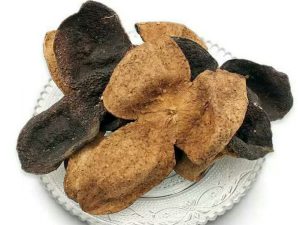
15 g chrysanthemum flowers, 50 g kudzu root, white sugar to tasteMain Ingredients
How To Make
Place the chrysanthemum flowers in a pot with an appropriate amount of water, decoct, then strain out the residue and reserve the liquid. Wash the kudzu root, cut it into small pieces, place it in a pot with an appropriate amount of water, and simmer over low heat until it becomes a thick decoction. Add white sugar and stir until well mixed.
Efficacy
Raises the pure and descends the impure; unblocks the meridians and relieves pain. Can be used as an adjunct treatment for radicular cervical spondylosis; particularly suitable for those with headaches, stiff neck, and blurred vision
Usage
Consume twice daily, once in the morning and once in the evening
Commentary
Chrysanthemum flowers (Ju-hua) act as the chief herb. Sweet, bitter-slightly cold in property, its action follows the Lung, Liver meridians, and works to disperse wind-heat, pacify the liver and brighten the eyes. Kudzu root (Ge-gen) stands in the deputy (minister) seat, sweet, pungent-cool in property, acting through the Spleen, Stomach meridians to releases the exterior, generate fluids, raise yang and stop diarrhea. White sugar to taste adds further support, working to moisten and harmonize the formula. Without a separate harmonizing herb, the herbal tea formula balance is achieved through the mutual tempering of its active ingredients. Collectively, the combination raise the pure and descend the impure, unblock the meridians and relieve pain. Can be used as an adjunct treatment for radicular cervical spondylosis, particularly, addressing the cervical spondylosis pattern.