
Astragalus root wei qi support represents one of the foundational, classical applications of astragalus within Traditional Chinese Medicine. Wei Qi, often translated as defensive qi, functions as your body’s outermost protective shield. It circulates just beneath the skin, lines the respiratory and mucosal tissues, and blocks external pathogenic invaders such as cold, wind, and viral pathogens from entering the body.
When Wei Qi becomes deficient, the defensive barrier weakens. Common signs include frequent colds, easy chills, spontaneous sweating, slow recovery from illness, lingering fatigue, and heightened susceptibility to seasonal infections. While many immune supplements focus only on short-term immune boosts, astragalus works to gently nourish and consolidate Wei Qi long-term, reinforcing your body’s natural frontline defense system.
What Is Wei Qi in Traditional Chinese Medicine?
Wei Qi originates from food qi refined by the Spleen and Lungs. It travels outside the meridian vessels, covering the skin and mucous membranes.
Key responsibilities of healthy Wei Qi:
- Create a barrier against wind, cold and infectious pathogens
- Control sweat secretion
- Warm the skin and extremities
- Maintain integrity of nasal, throat and lung mucosal linings
Deficient Wei Qi is typically triggered by prolonged stress, overwork, poor sleep, repeated illness, or inadequate nutrition. Without sufficient Wei Qi, pathogens easily penetrate, leading to recurring respiratory complaints.
Traditional TCM Perspective: Astragalus Is the Premier Herb to Tonify Wei Qi
Astragalus (Huang Qi) is widely regarded as the primary herb for lifting and consolidating deficient Wei Qi. Unlike stimulating immune herbs that deliver temporary effects, astragalus tonifies Lung and Spleen Qi — the root sources that generate Wei Qi.
Traditional usage guidelines:
✅ Ideal for daily long-term use between infections to build defensive capacity
✅ Excellent post-illness support to rebuild Wei Qi depleted by sickness
⚠️ Pause intake during acute illness accompanied by high fever, inflammation and thick phlegm. Practitioners warn tonifying Wei Qi during active acute infection may trap pathogenic heat inside the body and prolong symptoms.
Scientific Links Between Wei Qi and Modern Immunity
Modern research offers a parallel understanding of what TCM describes as Wei Qi:
1. Reinforces Respiratory & Skin Mucosal Barriers
Healthy Wei Qi corresponds structurally to intact mucosal epithelium. Astragalosides reduce oxidative damage to airway and skin tissue, maintaining the physical barrier that stops viruses and irritants from invading cells.
2. Modulates Innate Immune Cells
Astragalus polysaccharides activate macrophages, natural killer cells and dendritic cells — the body’s first-line immune responders. This aligns with Wei Qi’s role of early pathogen detection and defense.
3. Regulates Persistent Low-Grade Inflammation
Weak Wei Qi often coincides with unbalanced inflammatory reactions. Astragalus acts as an immune modulator, preventing excessive inflammatory responses while preserving defensive function.
4. Reduces Stress-Driven Immune Suppression
Chronic stress consumes vital qi and impairs Wei Qi. As an adaptogen, astragalus eases the physical toll of stress, protecting immune function from continuous depletion.
Signs You May Benefit From Astragalus for Wei Qi Deficiency
- Prone to frequent colds, sinus infections and seasonal respiratory illnesses
- Feel chilly easily, develop chills with minimal exposure to cool air
- Sweat spontaneously without exertion
- Recover slowly after any viral infection
- Persistent mild fatigue and low stamina
- Develop cough or congestion after brief exposure to wind or cold weather
Critical Safety Guidelines
- Astragalus supports Wei Qi as complementary wellness support; it does not replace medical treatment for acute or chronic disease.
- Avoid during acute febrile illness, active severe inflammation and heavy chest congestion.
- Individuals with autoimmune conditions should consult a healthcare practitioner before long-term supplementation.
- Recommended cyclic protocol: Take daily for 6–8 weeks, followed by a one-week break to prevent desensitization.
- Benefits develop gradually; consistent daily use over several weeks is required to consolidate Wei Qi.
How to Use Astragalus Root for Wei Qi Support
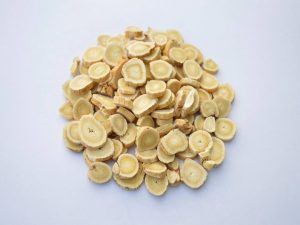
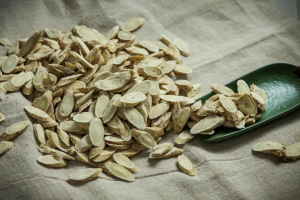
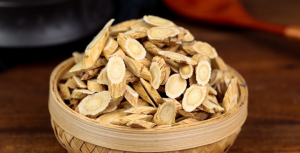
Slow-decocted astragalus root tea is the classic method for sustained Wei Qi nourishment. Simmer dried astragalus slices for 20–30 minutes to extract polysaccharides and astragalosides.
Standardized capsules guarantee consistent levels of active compounds for convenient daily maintenance.
Common synergistic herbal pairings for Wei Qi deficiency: astragalus + atractylodes, astragalus + siler root, astragalus + schisandra berry.
Final Thoughts
Astragalus root wei qi support targets the fundamental defensive barrier described in classical Chinese herbalism. By tonifying Lung and Spleen Qi, astragalus builds and stabilizes Wei Qi, lowering vulnerability to recurring infections, reducing abnormal sweating and improving resilience against environmental stressors. Combined with sufficient rest and balanced diet, astragalus is the cornerstone herb for anyone seeking to rebuild lasting outer bodily defense.
Structured FAQ Section
Q1: What does weak Wei Qi feel like?
A: Typical symptoms include frequent colds, tendency to feel cold, spontaneous sweating without exercise, slow recovery after illness, and easily falling sick after exposure to wind or cool weather. These are classic markers that your outer defensive barrier requires support.
Q2: Can I take astragalus for Wei Qi support while I currently have a cold?
A: Most TCM practitioners recommend pausing astragalus during acute cold with fever. Once fever subsides and acute symptoms calm down, astragalus effectively restores depleted Wei Qi to prevent immediate repeat infection.
Q3: How long does it take to strengthen Wei Qi with astragalus?
A: Wei Qi builds steadily. Many people notice improved resilience to colds and less spontaneous sweating after 3–5 weeks of consistent cyclic daily supplementation. Short sporadic use will not consolidate defensive energy.
Q4: Is Wei Qi the same as the immune system in Western medicine?
A: There is significant overlap but they are not identical concepts. Wei Qi describes a holistic defensive system including mucosal barriers, temperature regulation and immune surveillance. Immunity is a narrower modern biomedical term focused specifically on pathogen defense.
Q5: Can stress cause Wei Qi deficiency?
A: Yes. Long-term mental and physical stress consumes foundational qi, weakening Lung and Spleen function, which directly reduces Wei Qi production. Herbal support works best alongside consistent stress management.
Q6: Are there people who should avoid astragalus for Wei Qi tonification?
A: Those experiencing acute fever, severe active inflammation, pregnant and breastfeeding women, and people with diagnosed autoimmune disorders should seek professional guidance before starting supplementation.
Q7: What herbal formula is famous for astragalus and Wei Qi deficiency?
A: Yu Ping Feng San (Jade Windscreen Powder), a classic formula containing astragalus, atractylodes and siler root, specifically formulated to consolidate Wei Qi and reduce susceptibility to external pathogens。

黄耆(あうぎ)は風邪をひきやすい季節に本当に頼りになります。この記事を読んで、衛気(えき)のイメージが具体的になりました。体のバリアを強くする感じ、大切にしたいですね。私も毎年冬前に黄耆のスープを飲み始めます
Interesante artículo. Siempre me ha dado curiosidad el concepto de Wei Qi como escudo protector. Yo tomo astrágalo en invierno y la verdad es que noto que me resfrío menos, aunque no sabía bien por qué. Me gusta que expliquen la parte de que protege las vías respiratorias, tiene todo el sentido. ¿Alguien más lo ha probado en infusión o cápsulas?
Great read! I’ve been using astragalus in my herbal routine for years, and it really shines during cold season. The way you explained Wei Qi as a shield makes so much sense—especially for anyone prone to catching every bug around. Have you noticed better results with a specific preparation, like tea vs. tinct
Great read! I’ve been taking astragalus every fall for a few years now, and it really seems to help me dodge the seasonal bugs. Love how this breaks down the concept of Wei Qi as a protective shield—makes so much sense. Curious if anyone pairs it with other herbs for extra
This is such a great reminder of how TCM looks at prevention rather than just treating symptoms. I’ve been taking astragalus in soups during the colder months, and it really feels like it gives me that extra layer of defense. Nice to see the concept of Wei Qi explained so