
Ten-Treasure Da’an Powder,From *Formulas for Universal Relief*, Volume 169.,For men, women, the elderly, and children—regardless of age or duration of illness—this formula treats all types of deep-seated phlegm, accumulated qi masses, the ten types of water retention, and blood and qi disorders. It also addresses lower small intestine prolapse, kidney deficiency, dry and damp beriberi, the ten types of diaphragmatic obstruction and five types of dysphagia, gastric inversion with vomiting of food, heart qi and spleen pain, shortness of breath with phlegm and fluid retention, coughing with lung distension, hemoptysis and epistaxis,the five types of dysuria, leprosy, severe skin sores and ringworm, pain in the lower back and legs, the five types of diabetes, the twenty-four types of hemorrhoids and fistulas, intestinal wind with bloody stools, the thirty-six types of wind disorders, the seventy-two types of qi disorders, malignant red swellings, purpura and vitiligo, boils, abscesses, and carbuncles, paralysis on either side of the body, red and white diarrhea and dysentery,fever and chills, malaria, yin and yang toxins, mountain mists and miasmas, women’s red and white vaginal discharge, irregular menstruation, metrorrhagia and menorrhagia, and children’s malnutrition and epilepsy.
Ten-Treasure Da’an Powder
Disclaimer: These statements have not been evaluated by the Food and Drug Administration (FDA). This product is not intended to diagnose, treat, cure, or prevent any disease. All references in this article to TCM syndrome differentiation, herbal medicines, teas, and decoctions are intended to promote TCM culture and are provided solely for educational and reference purposes.
Formulas Name : Ten-Treasure Da’an Powder
Chinese Name : 十宝大安散
Drug Formulation
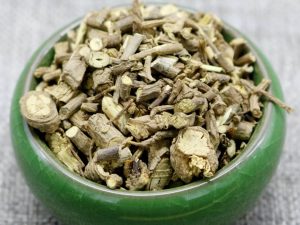
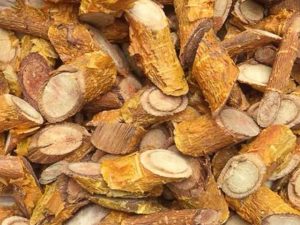
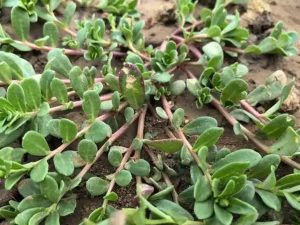
Rhubarb (1 jin in spring and winter, half a jin in summer, 12 liang in autumn), Licorice (6 liang in spring and winter, 3 liang in summer, 4 liang in autumn), Pharbitis (12 liang raw in spring and winter, 8.5 liang raw in summer, 8 liang in autumn), Areca Nut (12 liang in spring and winter, 8 liang in summer, 6 liang in autumn).
Source
From *Formulas for Universal Relief*, Volume 169.
Processing
For every 1 jin of the above herbs, use half a liang of Wood Fragrance; in summer, add Southern Wood Fragrance; in autumn, add Tianhuafen, and grind into a fine powder.
Benefits
For men, women, the elderly, and children—regardless of age or duration of illness—this formula treats all types of deep-seated phlegm, accumulated qi masses, the ten types of water retention, and blood and qi disorders. It also addresses lower small intestine prolapse, kidney deficiency, dry and damp beriberi, the ten types of diaphragmatic obstruction and five types of dysphagia, gastric inversion with vomiting of food, heart qi and spleen pain, shortness of breath with phlegm and fluid retention, coughing with lung distension, hemoptysis and epistaxis,the five types of dysuria, leprosy, severe skin sores and ringworm, pain in the lower back and legs, the five types of diabetes, the twenty-four types of hemorrhoids and fistulas, intestinal wind with bloody stools, the thirty-six types of wind disorders, the seventy-two types of qi disorders, malignant red swellings, purpura and vitiligo, boils, abscesses, and carbuncles, paralysis on either side of the body, red and white diarrhea and dysentery,fever and chills, malaria, yin and yang toxins, mountain mists and miasmas, women’s red and white vaginal discharge, irregular menstruation, metrorrhagia and menorrhagia, and children’s malnutrition and epilepsy.
Instructions for Use
Take 3 qian per dose, mixed with cold water at the first crow of the rooster at dawn. For those under fifteen years of age, divide the dose into two servings; adjust the dosage for children as appropriate. Add Astragalus (honey-fried seven times), dried tangerine peel (white pith removed), raw black pepper, processed Pongamo, and processed Sanling; this formula naturally combines purgative and tonifying effects.
Note
Do not take during pregnancy.
Copyright: Excerpt from From *Formulas for Universal Relief*, Volume 169., Copyright belongs to the Original Author and all original sources, This article was shared by DeDe on August 31, 2026, Please credit the source and include a link to the original article when reposting.
Terminology Proofreading: [Cheng Bo] | August 31, 2026 Reviewed by: [Wang Zhongxiang, Associate Chief TCM Physician (China)] | August 31, 2026
Correct Content Errors: Errors may occur during the writing, editing, translation, and publication of website content. If you find any errors or inaccurate information in this article, please feel free to Contact Us to report them, and we will correct them promptly.
FDA Disclaimer: The descriptions of the efficacy of Chinese herbal medicines, herbal teas, decoctions, and formulas, as well as the content on Traditional Chinese Medicine (TCM) diagnostic theory and traditional TCM therapies contained on this site, are intended solely for the purpose of popularizing TCM culture and serving as an educational reference; they do not constitute medical diagnosis or treatment advice. Please do not attempt to use these products on your own without proper guidance. These statements have not been evaluated by the Food and Drug Administration. This product is not intended to diagnose, treat, cure, or prevent any disease. If you are experiencing any physical discomfort, please consult a licensed healthcare professional and seek treatment at a reputable medical institution. This platform assumes no responsibility for any consequences resulting from the use of herbs or formulas by any individual based on the information provided on this site. Please read Medical Disclaimer.
Ten-Treasure Da’an Powder,For men, women, the elderly, and children—regardless of age or duration of illness—this formula treats all types of deep-seated phlegm, accumulated qi masses, the ten types of water retention, and blood and qi disorders. It also addresses lower small intestine prolapse, kidney deficiency, dry and damp beriberi, the ten types of diaphragmatic obstruction and five types of dysphagia, gastric inversion with vomiting of food, heart qi and spleen pain, shortness of breath with phlegm and fluid retention, coughing with lung distension, hemoptysis and epistaxis,the five types of dysuria, leprosy, severe skin sores and ringworm, pain in the lower back and legs, the five types of diabetes, the twenty-four types of hemorrhoids and fistulas, intestinal wind with bloody stools, the thirty-six types of wind disorders, the seventy-two types of qi disorders, malignant red swellings, purpura and vitiligo, boils, abscesses, and carbuncles, paralysis on either side of the body, red and white diarrhea and dysentery,fever and chills, malaria, yin and yang toxins, mountain mists and miasmas, women’s red and white vaginal discharge, irregular menstruation, metrorrhagia and menorrhagia, and children’s malnutrition and epilepsy.