
Warming the Middle and Tonifying the Spleen Decoction,*The Golden Mirror*, Volume 51.,Chronic Spleen Wind. Due to prolonged vomiting and diarrhea, spleen qi has been severely depleted, resulting in earth deficiency that fails to generate metal, and weak metal that fails to restrain wood. Consequently, liver wood becomes excessively vigorous and overpowers the spleen; hence it is called “spleen wind.” Symptoms include closing the eyes and shaking the head, a dark bluish complexion on the face and lips, forehead sweat and drowsiness, cold and numb limbs, a shortened tongue and hoarse voice, and frequent vomiting of clear fluid.
Warming the Middle and Tonifying the Spleen Decoction
Disclaimer: These statements have not been evaluated by the Food and Drug Administration (FDA). This product is not intended to diagnose, treat, cure, or prevent any disease. All references in this article to TCM syndrome differentiation, herbal medicines, teas, and decoctions are intended to promote TCM culture and are provided solely for educational and reference purposes.
Formulas Name : Warming the Middle and Tonifying the Spleen Decoction
Chinese Name : 温中补脾汤
Drug Formulation
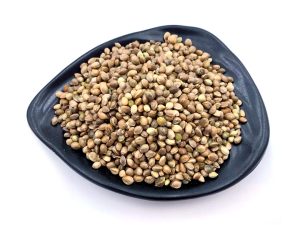
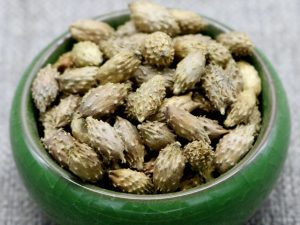
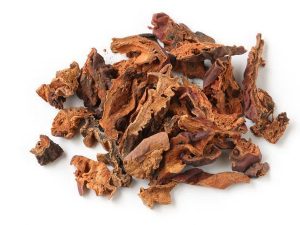
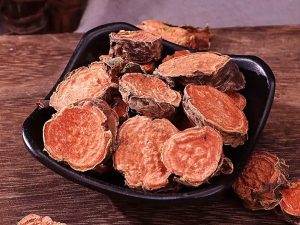
Ginseng, Astragalus (honey-fried), Atractylodes (stir-fried with earth), Dried Ginger, Aconite (processed), Pinellia (processed with ginger), Tangerine Peel, Poria, Amomum, Cinnamon (coarse bark removed, ground), White Peony (stir-fried until charred), Licorice (fried), Cloves.
Source
*The Golden Mirror*, Volume 51.
Benefits
Chronic Spleen Wind. Due to prolonged vomiting and diarrhea, spleen qi has been severely depleted, resulting in earth deficiency that fails to generate metal, and weak metal that fails to restrain wood. Consequently, liver wood becomes excessively vigorous and overpowers the spleen; hence it is called “spleen wind.” Symptoms include closing the eyes and shaking the head, a dark bluish complexion on the face and lips, forehead sweat and drowsiness, cold and numb limbs, a shortened tongue and hoarse voice, and frequent vomiting of clear fluid.
Instructions for Use
Use roasted ginger as a guide; decoct in water and take orally.
Copyright: Excerpt from *The Golden Mirror*, Volume 51., Copyright belongs to the Original Author and all original sources, This article was shared by DeDe on August 31, 2026, Please credit the source and include a link to the original article when reposting.
Terminology Proofreading: [Cheng Bo] | August 31, 2026 Reviewed by: [Wang Zhongxiang, Associate Chief TCM Physician (China)] | August 31, 2026
Correct Content Errors: Errors may occur during the writing, editing, translation, and publication of website content. If you find any errors or inaccurate information in this article, please feel free to Contact Us to report them, and we will correct them promptly.
FDA Disclaimer: The descriptions of the efficacy of Chinese herbal medicines, herbal teas, decoctions, and formulas, as well as the content on Traditional Chinese Medicine (TCM) diagnostic theory and traditional TCM therapies contained on this site, are intended solely for the purpose of popularizing TCM culture and serving as an educational reference; they do not constitute medical diagnosis or treatment advice. Please do not attempt to use these products on your own without proper guidance. These statements have not been evaluated by the Food and Drug Administration. This product is not intended to diagnose, treat, cure, or prevent any disease. If you are experiencing any physical discomfort, please consult a licensed healthcare professional and seek treatment at a reputable medical institution. This platform assumes no responsibility for any consequences resulting from the use of herbs or formulas by any individual based on the information provided on this site. Please read Medical Disclaimer.
Warming the Middle and Tonifying the Spleen Decoction,Chronic Spleen Wind. Due to prolonged vomiting and diarrhea, spleen qi has been severely depleted, resulting in earth deficiency that fails to generate metal, and weak metal that fails to restrain wood. Consequently, liver wood becomes excessively vigorous and overpowers the spleen; hence it is called “spleen wind.” Symptoms include closing the eyes and shaking the head, a dark bluish complexion on the face and lips, forehead sweat and drowsiness, cold and numb limbs, a shortened tongue and hoarse voice, and frequent vomiting of clear fluid.