
Xue’s Five-Leaf Reed Root Decoction,Formula sourced from *The Meridians and Collaterals of Warm-Heat Diseases*, citing *Xue Shengbai’s Treatise on Damp-Heat Diseases*; name found in *Treatment Methods for Damp-Warm Epidemics*.,Several days after a damp-heat syndrome, the damp-heat has subsided. Residual pathogenic factors obscure the clear yang, causing disharmony of the stomach qi, mild epigastric fullness, and a condition where one feels hungry but refuses to eat. In cases of cold damage and warm-heat diseases, yang is stagnant and externally blocked.
Xue’s Five-Leaf Reed Root Decoction
Disclaimer: These statements have not been evaluated by the Food and Drug Administration (FDA). This product is not intended to diagnose, treat, cure, or prevent any disease. All references in this article to TCM syndrome differentiation, herbal medicines, teas, and decoctions are intended to promote TCM culture and are provided solely for educational and reference purposes.
Formulas Name : Xue’s Five-Leaf Reed Root Decoction
Chinese Name : 薛氏五叶芦根汤
Drug Formulation
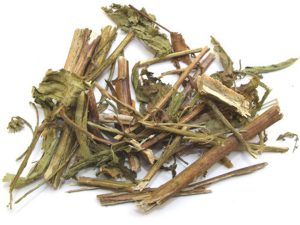
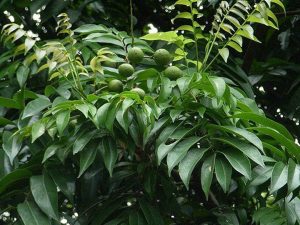
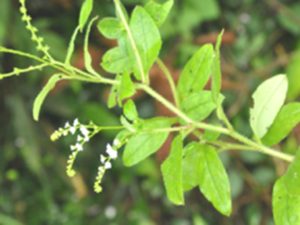
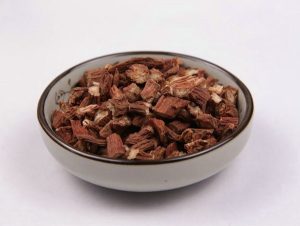
Agastache leaves, peppermint leaves, fresh lotus leaves, loquat leaves, agastache leaves, reed root, and winter melon seeds.
Source
Formula sourced from *The Meridians and Collaterals of Warm-Heat Diseases*, citing *Xue Shengbai’s Treatise on Damp-Heat Diseases*; name found in *Treatment Methods for Damp-Warm Epidemics*.
Benefits
Several days after a damp-heat syndrome, the damp-heat has subsided. Residual pathogenic factors obscure the clear yang, causing disharmony of the stomach qi, mild epigastric fullness, and a condition where one feels hungry but refuses to eat. In cases of cold damage and warm-heat diseases, yang is stagnant and externally blocked.
Copyright: Excerpt from Formula sourced from *The Meridians and Collaterals of Warm-Heat Diseases*, citing *Xue Shengbai’s Treatise on Damp-Heat Diseases*; name found in *Treatment Methods for Damp-Warm Epidemics*., Copyright belongs to the Original Author and all original sources, This article was shared by DeDe on August 31, 2026, Please credit the source and include a link to the original article when reposting.
Terminology Proofreading: [Cheng Bo] | August 31, 2026 Reviewed by: [Wang Zhongxiang, Associate Chief TCM Physician (China)] | August 31, 2026
Correct Content Errors: Errors may occur during the writing, editing, translation, and publication of website content. If you find any errors or inaccurate information in this article, please feel free to Contact Us to report them, and we will correct them promptly.
FDA Disclaimer: The descriptions of the efficacy of Chinese herbal medicines, herbal teas, decoctions, and formulas, as well as the content on Traditional Chinese Medicine (TCM) diagnostic theory and traditional TCM therapies contained on this site, are intended solely for the purpose of popularizing TCM culture and serving as an educational reference; they do not constitute medical diagnosis or treatment advice. Please do not attempt to use these products on your own without proper guidance. These statements have not been evaluated by the Food and Drug Administration. This product is not intended to diagnose, treat, cure, or prevent any disease. If you are experiencing any physical discomfort, please consult a licensed healthcare professional and seek treatment at a reputable medical institution. This platform assumes no responsibility for any consequences resulting from the use of herbs or formulas by any individual based on the information provided on this site. Please read Medical Disclaimer.
Xue’s Five-Leaf Reed Root Decoction,Several days after a damp-heat syndrome, the damp-heat has subsided. Residual pathogenic factors obscure the clear yang, causing disharmony of the stomach qi, mild epigastric fullness, and a condition where one feels hungry but refuses to eat. In cases of cold damage and warm-heat diseases, yang is stagnant and externally blocked.