
Gastrodia elata (Tianma) has long been valued in traditional Chinese medicine for replenishing clear orifices, nourishing the brain and extinguishing liver wind. Modern pharmacological studies confirm that its active constituents gastrodin, parishin and vanillyl alcohol effectively improve cerebral blood flow, suppress neuroinflammation, scavenge free radicals, protect hippocampal neurons and preserve learning & memory functions. Unlike synthetic cognitive supplements, gastrodia delivers gentle multi-target brain protection without nervous overexcitation or dependency. This article combines TCM theory and contemporary research to elaborate its anti-aging brain benefits, suitable groups, neuroprotective mechanisms, commercial preparations, safety restrictions and daily edible formulas.
1 Core Anti-Aging & Brain-Support Benefits
- Preserve memory & cognitive function Protect hippocampal neurons closely linked to memory formation, slow forgetfulness, absent-mindedness and episodic memory degradation caused by aging and fatigue.
- Improve cerebral circulation & relieve brain fog Dilate cerebral capillaries, boost oxygen and nutrient supply to brain tissue, eliminate brain sluggishness, dizziness and mental exhaustion after staying up late or overworking.
- Anti-neuroinflammation & delay brain aging Inhibit inflammatory mediators (TNF-α, IL-6) inside the brain, reduce chronic low-grade neuroinflammation that accelerates neuronal aging.
- Antioxidant neuroprotection against neuronal death Clear reactive oxygen species accumulated in aging brain tissue, reduce oxidative damage to nerve cells and prevent progressive neuron loss.
- Regulate neurotransmitters for stable mental state Balance GABA and glutamate levels, relieve anxiety, insomnia and emotional irritability; break the cycle of poor sleep → brain damage → accelerated aging.
- Auxiliary prevention of degenerative brain disorders Reduce abnormal protein deposition in the brain, slow the progression of mild cognitive impairment and serve as daily preventive care for middle-aged and elderly populations.
2 Suitable & Unsuitable Populations
2.1 Suitable Crowds
- Middle-aged groups (35–55 years old): frequent brain fatigue, memory decline from overtime work, mental stress and insomnia.
- Elderly people with physiological brain aging: gradual memory loss, slow thinking, dizziness and poor sleep quality.
- Students and intellectual workers: heavy brain usage, brain fog, difficulty focusing and mental burnout.
- People with hypertension, cervical spondylosis leading to insufficient cerebral blood supply and persistent dizziness.
- Post-stroke rehabilitation crowds: mild cognitive decline, slow response caused by cerebral ischemia sequelae.
- Sub-health populations with long-term staying up late, anxiety and chronic sleep deprivation.
2.2 Unsuitable Populations
- Patients with severe dementia, advanced Alzheimer’s disease, brain tumors and organic cerebral lesions: gastrodia can only be used for adjuvant care instead of therapeutic replacement.
- Hypotension individuals: vasodilation effects may lower blood pressure further and trigger dizziness.
- Pregnant women, infants under 6 years old and people with gastrodia allergies.
- People with severe spleen-stomach deficiency and chronic diarrhea: gastrodia in large doses may aggravate loose stool.
3 Mechanisms of Brain Anti-Aging (TCM + Modern Pharmacology)
3.1 Traditional Chinese Medicine Mechanism
Gastrodia elata is sweet and neutral, mainly acts on the liver meridian. TCM holds that aging brain dysfunction mostly arises from liver-yang rising upward disturbing clear orifices and insufficient blood nourishing the brain.
Long-term stress damages liver regulation; liver wind ascends to the head, blocking meridian circulation, so the brain cannot obtain adequate qi and blood nourishment, resulting in dizziness, amnesia and slow thinking.
Gastrodia calms liver yang, extinguishes liver wind and dredges cranial meridians. It removes wind pathogens obstructing brain orifices, improves blood supply to the brain, lets clear qi rise to nourish the spirit, thereby maintaining normal cognitive function and delaying brain aging fundamentally.
3.2 Modern Pharmacological Mechanisms
- Enhance cerebral microcirculation Gastrodin relaxes cerebral vascular smooth muscles, dilates tiny blood vessels inside the brain, increases cerebral blood perfusion volume and improves oxygen supply to ischemic brain areas.
- Protect hippocampal neurons & prevent apoptosis Block excessive calcium influx in neurons, reduce mitochondrial damage and inhibit neuronal apoptosis induced by oxidation and ischemia, safeguarding the hippocampus—the core memory region.
- Regulate central neurotransmitters Elevate inhibitory neurotransmitter GABA concentration, balance excitatory glutamate, relieve nervous excitement and insomnia which damage brain cells overnight.
- Scavenge free radicals & anti-oxidation Gastrodia polysaccharides eliminate oxidative free radicals in brain tissue, reduce lipid peroxidation of nerve cell membranes and slow the aging process of brain tissue.
- Inhibit neuroinflammation Suppress overexpression of inflammatory factors in microglia, relieve chronic neuroinflammation, one of the major causes of accelerated brain aging and cognitive degeneration.
- Reduce beta-amyloid aggregation Slow abnormal amyloid deposition in the brain, lowering the risk of degenerative cognitive decline related to aging.
4 Common Preparations for Brain Anti-Aging Care
4.1 Proprietary Medicines (For obvious memory decline & brain fatigue)
- Gastrodin Tablets / Capsules Classic daily neuroprotective preparation, improves cerebral circulation, relieves dizziness, fatigue and insomnia caused by brain overuse.
- Tianma Shouwu Tablets Ideal for elderly users combining brain aging, memory loss, tinnitus and liver-kidney insufficiency.
- Tianma Gouteng Granules Suitable for people with high blood pressure, dizziness and brain aging triggered by liver-yang hyperactivity.
4.2 Raw medicinal materials (Daily mild maintenance)
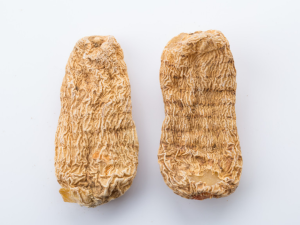
- Dried gastrodia slices: brew tea or stew soup for long-term brain nourishment.
- Superfine gastrodia powder: oral administration with high absorption rate, daily maintenance dosage: 1–1.5 g.
5 Contraindications & Safe Usage Guidelines
- Controlled daily dosage Health maintenance dose: dried Gastrodia elata 3–10 g per day for tea or soup; gastrodia powder 1–1.5 g daily. Doses exceeding 40 g may cause fatigue, dizziness and stomach discomfort.
- Avoid prolonged high-temperature boiling Gastrodin is thermolabile; add gastrodia during the last 10–15 minutes of stewing to retain active ingredients.
- Medicine combination precautions When paired with hypotensive drugs, sleeping pills or neurotrophic agents (methylcobalamin), reduce dosage under professional guidance to avoid excessive sedation or hypotension. Do not take together with Cynanchum paniculatum per TCM incompatibility rules.
- Intermittent administration principle Do not take continuously for more than 2 weeks; pause for 3–5 days afterward to maintain the brain’s self-regulation ability.
- Clear positioning Gastrodia serves as brain anti-aging dietary supplement rather than therapeutic medicine for dementia and severe cognitive disorders. Persistent severe memory loss requires hospital neurological examination.
- Allergy test Allergy-prone people take 0.5 g gastrodia powder first to test for allergic reactions.
6 Brain-Nourishing Herbal Tea & Anti-Aging Diet Recipes
6.1 Gastrodia Goji Brain-Clearing Tea (Daily office brain care)
Ingredients: Gastrodia slices 3 g, wolfberry 5 g, chrysanthemum 2 g
Method: Brew with boiling water, steep 20 minutes, refill water repeatedly for daytime drinking.
Efficacy: Improve cerebral blood supply, relieve brain fog, eye strain and mental fatigue from long screen time.
6.2 Gastrodia Pueraria Anti-Aging Brain Tea (Cervical & hypertensive brain aging)
Ingredients: Gastrodia 3 g, kudzu root 6 g, hawthorn 2 g
Method: Steep in a thermos for 20 minutes every day.
Efficacy: Relax cervical blood vessels, boost cerebral blood flow, improve dizziness and memory loss caused by cervical compression.
6.3 Gastrodia Walnut Egg Custard (Memory enhancement breakfast)
Ingredients: Gastrodia 5 g, walnut kernel 1 piece, 1 egg
Method: Decoct gastrodia for 15 minutes and filter liquid; mix walnut and egg with decoction and steam until cooked, eat every other day.
Efficacy: Nourish neurons, reinforce memory, relieve forgetfulness caused by brain overwork.
6.4 Gastrodia Lily Lean Pork Soup (Weekly anti-aging brain nourishment)
Ingredients: Gastrodia 7 g, lily bulb 10 g, lean pork 200 g, ginger slices
Method: Simmer pork for 40 minutes, add gastrodia and lily in the final 15 minutes, season lightly with salt, consume twice weekly.
Efficacy: Nourish brain nerves, calm sleep, reduce nocturnal brain damage and delay cognitive aging.
7 Conclusion
As a natural neuroprotective herb, Gastrodia elata delays brain aging via dual pathways: TCM theory of calming liver wind and nourishing cranial orifices, and modern pharmacological mechanisms including improving cerebral circulation, anti-inflammation, anti-oxidation and protecting hippocampal neurons. It effectively ameliorates sub-health brain fatigue, mild memory loss and senile physiological cognitive decline without the side effects of chemical brain supplements.
It is worth noting that gastrodia cannot reverse advanced dementia and organic brain lesions. For middle-aged prevention of brain aging, intellectual workers with heavy brain load and the elderly with mild cognitive decline, intermittent dietary conditioning combined with regular sleep and brain training can maximize its brain-protective effects, slow mental aging, maintain concentration and memory, and achieve long-term brain anti-aging maintenance.

مقال رائع! كنت أقرأ عن تيانما منذ فترة وأنا مهتمة بالطب التقليدي الصيني، ومن المذهل أن العلم الحديث يؤكد الآن ما عرفته الحكمة القديمة. وجود مركبات مثل غاسترودين تحمي الخلايا العصبية وتدعم تدفق الدم للدماغ، هذا يمنحني أملاً كبيراً في حلول طبيعية للحفاظ على صحة الذاكرة مع التقدم في الع
مقال رائع! كنت أسمع عن “تيانما” في الطب الصيني التقليدي لكن لم أكن أعرف التف