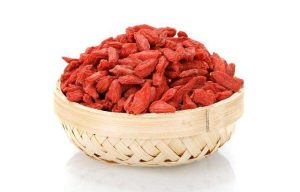
How do goji berries, retinol and vitamin A work together? As a herbal pharmacist, I break down their eye and skin benefits, key differences, safety risks, dosage and common misconceptions.
Many clients get confused when mixing up goji berries, vitamin A and retinol. Some ask whether eating goji berries can replace retinol skincare, while others worry about vitamin A overdose from eating goji alongside vitamin A supplements. As a herbal pharmacist, I will clarify the relationship between these three substances, their unique functions, overlapping benefits, and critical safety rules you need to know.
What Is The Connection Between Goji Berries, Beta-Carotene, and Vitamin A?
Goji berries do not contain preformed active vitamin A directly. Instead, they are rich in beta-carotene, a provitamin A carotenoid. Your liver converts beta-carotene into active vitamin A on an as-needed basis. This conversion is self-limiting under normal conditions, so beta-carotene from whole goji berries rarely triggers vitamin A toxicity.
Active vitamin A has two major forms in the human body:
- Retinol: The animal-derived, fully active form of vitamin A. It can be used internally, or formulated into topical skincare products.
- Retinal / Retinoic acid: More potent metabolites of retinol, widely used for anti-aging and acne skincare.
This is the key distinction: ✅ Goji berries supply beta-carotene (provitamin A) → your body turns it into vitamin A/retinol slowly and safely. ✅ Retinol is pre-formed active vitamin A. It works immediately once absorbed by the body or skin.
Core Benefits: Eyes & Skin
Eye Support
Vitamin A (retinol) is essential for the cornea, tear production, and rod photoreceptors responsible for night vision. Without enough active vitamin A, people develop dry eyes and poor low-light vision.
Goji berries deliver beta-carotene to produce retinol for eye tissue, plus zeaxanthin, lutein and goji polysaccharides. Unlike standalone vitamin A supplements, goji berries add macular protective carotenoids to defend retinal cells against blue light and oxidative aging. This makes goji berries a great nutritional choice for supporting both corneal health and macular wellness.
Skin Support
Topical retinol works on the skin surface: it speeds cell turnover, fades hyperpigmentation, boosts collagen production and smooths fine lines.
Ingested goji berries work from inside the body. The beta-carotene converts to vitamin A to support skin barrier repair. Goji polysaccharides and antioxidants reduce systemic inflammation, which helps calm redness and sensitive skin. Goji berries cannot replicate the fast anti-aging effect of topical retinol, but they complement retinol skincare by supporting skin health internally.
Real Client Case: Dry Eyes + Sensitive Skin on Retinol
A 47-year-old client came to me. She used a low-strength topical retinol serum every night for wrinkles and sun spots. However, she struggled with persistent dry eyes and tight, easily irritated facial skin. Her doctor checked her blood nutrient levels and found low vitamin A status.
She was nervous to take high-dose preformed vitamin A pills due to overdose risk. I recommended adding 15g dried goji berries daily, paired with gentle moisturizer alongside her retinol routine.
After 7 weeks, she noticed a clear difference. Her dry eye discomfort reduced, and her skin tolerated retinol much better with less flaking and redness. Her blood test showed improved vitamin A levels, with no excess buildup. This case shows goji berry’s beta-carotene is a gentle way to support vitamin A status without the overdose risk of high-dose retinol supplements.
Research & Industry Data
Beta-carotene from botanical sources is a well-established precursor for retinol synthesis. Studies show goji berry consumption raises serum beta-carotene and supports healthy vitamin A levels in people with mild deficiency.
Important clinical note: Preformed retinol (active vitamin A) in high oral doses carries toxicity risk, while beta-carotene from whole foods like goji berries has very low toxicity risk, because conversion slows once your body has enough vitamin A.
For skincare: Oral vitamin A or goji berries cannot substitute topical retinol. Research confirms topical retinol acts directly on epidermal skin cells, while goji’s skin benefits come from systemic antioxidant and anti-inflammatory effects.
Key Differences At A Glance
- Goji berries: Contain beta-carotene (provitamin A), zeaxanthin, lutein, polysaccharides. Gentle, food-source nutrient, supports eyes and skin from within. Low overdose risk.
- Retinol (oral): Preformed active vitamin A. Supports vision and epithelial tissue. Easy to overdose at high daily doses.
- Topical retinol: Skin-only vitamin A derivative. Focused on collagen, pigmentation and fine lines. Can cause irritation, peeling and sun sensitivity.
Recommended Dosage
Dried goji berries: 10–20g daily. Stick within this range for steady beta-carotene intake. Do not combine high-dose oral retinol/vitamin A supplements with large daily portions of goji berries without consulting your healthcare provider.
Safety Warnings
- Preformed vitamin A overdose risk: If you already take high-dose oral retinol supplements, adding large goji servings may push your total vitamin A intake too high. Pregnant people must avoid high-dose oral retinol, as excess preformed vitamin A carries fetal risks.
- Topical retinol users: Always use daily broad-spectrum sunscreen. Goji berries do not replace sun protection.
- Drug interactions: Goji berries interact with blood thinners, blood pressure drugs and diabetes medications, as covered in earlier guides.
Disclaimer: Goji berries are a nutritional herbal food supplement, not a replacement for prescription vitamin A therapy or dermatological skincare treatments.
Frequently Asked Questions
Q: Can eating goji berries replace retinol cream for wrinkles?
A: No. Oral goji berries nourish skin internally, but they cannot deliver the direct cell-renewing effect of topical retinol. Many people use both together for full skin support.
Q: Can goji berries cause vitamin A toxicity?
A: Whole goji berries’ beta-carotene rarely causes vitamin A toxicity, because your body limits conversion. Toxicity happens with excessive preformed retinol supplements, not food-based beta-carotene.
Q: Can I take oral retinol and eat goji berries at the same time?
A: It is possible, but consult your doctor first to monitor total vitamin A intake and avoid overconsumption. Especially important for pregnant people.
Q: Does retinol help eye health?
A: Oral retinol (active vitamin A) is essential for eye function, but topical facial retinol stays on skin and does not benefit your eyes.