Can goji berries boost blood circulation? As a herbal pharmacist, I break down how goji supports blood flow, capillary strength, active compounds, client story, research, dosage and safety warnings.
Healthy circulation ensures oxygen and nutrients reach tissues throughout your body, from your extremities to your organs. Poor circulation often stems from stiff arteries, fragile capillaries, endothelial damage, oxidative stress and chronic inflammation. Many clients ask: Can goji berries improve blood circulation, cold hands and feet, and microcirculation?
As a herbal pharmacist, goji berries support both macro and microcirculation by protecting blood vessel linings, strengthening capillaries and reducing oxidative vascular damage. They are not a treatment for peripheral artery disease, deep vein thrombosis or severe circulatory disorders. LBP, rutin and other antioxidants work to keep blood vessels flexible and support smooth blood flow, best used alongside regular movement and balanced diet.
Key Active Compounds for Circulation
Lycium barbarum Polysaccharides (LBP) LBP protects vascular endothelial cells, the thin inner lining of arteries and capillaries. A healthy endothelium controls vessel dilation, preventing stiffness that slows blood flow. LBP reduces vascular oxidative stress and inflammation, improving overall blood vessel flexibility and supporting both large-vessel and microcirculation in small capillaries.
Flavonoids: Rutin, Quercetin, Chlorogenic Acid Rutin is especially valuable for circulation. It strengthens capillary walls, reduces capillary fragility and lessens tiny vessel leakage. Quercetin promotes vasodilation, helping blood vessels relax to improve flow. These flavonoids also reduce platelet aggregation tendency, supporting smoother circulation.
Carotenoids (Zeaxanthin, Lutein, Beta-carotene) Antioxidants that reduce oxidative damage to blood vessel walls, slowing vascular aging and maintaining healthy blood flow.
Potassium Supports balanced blood pressure, removing excess strain that impairs normal circulation.
Real Client Case: Poor Microcirculation & Cold Extremities
A 49-year-old client consulted me. She struggled with chronically cold hands and feet, occasional spider veins, and lab results showing mild endothelial dysfunction. She exercised lightly but wanted natural support to improve peripheral circulation.
I recommended 12g dried goji berries daily, taken with breakfast, plus daily walking.
After 10 weeks, she reported her hands and feet stayed warmer, and she had less heaviness in her legs at the end of the day. Follow-up testing showed improved markers of endothelial health. This demonstrates goji supports microcirculation, but it cannot treat serious peripheral vascular disease.
Clinical Research & Industry Data
Studies published in Journal of Ethnopharmacology show LBP improves endothelial function, a core requirement for healthy circulation. Research on goji flavonoids, particularly rutin, confirms benefits for capillary integrity and microvascular blood flow.
Important reality check: Goji berries cannot cure peripheral artery disease, varicose veins, DVT or chronic venous insufficiency. They will not resolve severe circulatory blockages. If you have diagnosed vascular disease, follow your vascular specialist’s treatment plan.
Core Ways Goji Berries Support Circulation
- Protect vascular endothelium LBP maintains artery lining health, enabling natural vessel relaxation and unobstructed blood flow.
- Strengthen capillaries Rutin reduces capillary fragility, supporting microcirculation in eyes, skin and extremities.
- Promote vasodilation Flavonoids help blood vessels widen gently, easing blood flow to peripheral tissues.
- Reduce vascular inflammation and oxidative stress Free radicals and inflammation harden blood vessel walls, slowing circulation over time.
- Support healthy lipid and blood pressure levels By lowering cardiovascular risk factors, goji reduces vessel damage that impairs circulation.
Recommended Dosage for Circulation Support
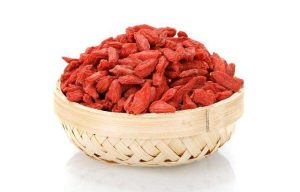
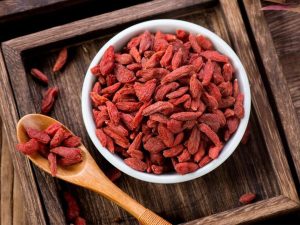
Whole dried goji berries deliver rutin, potassium, carotenoids and LBP for full circulatory benefits.
- Standard daily serving: 10–15 grams dried goji berries daily
- Do not exceed 20g daily to avoid excess natural sugar intake.
- Standardized LBP extract: 500–1000mg daily, ideal for those limiting carbohydrates. Follow product label instructions.
- Allow 8–12 weeks of consistent daily intake to notice improvements in microcirculation.
Safety Notes & Herb-Drug Interactions
- Blood thinners (warfarin, apixaban, rivaroxaban): Goji may increase bleeding risk. Consult your doctor before combining.
- Antihypertensive medications: Goji may amplify blood pressure lowering effects, monitor for dizziness or lightheadedness.
- Diabetes medications / insulin: Goji can lower blood sugar; regular glucose monitoring is required.
- Statins: Medical supervision is recommended when combining due to shared liver metabolism.
Pregnant or breastfeeding individuals must consult a healthcare provider before long-term daily consumption.
Disclaimer: Goji berries and LBP extracts are nutritional botanical supplements, NOT a medical treatment for vascular or circulatory disease. They cannot replace prescription medications, compression therapy or vascular procedures. This educational content does not substitute professional advice from a vascular surgeon or primary care provider.
Frequently Asked Questions
Q: Can goji berries fix varicose veins?
A: It strengthens capillaries and reduces vein fragility, but cannot reverse existing large varicose veins.
Q: Does goji help cold hands and feet from poor circulation?
A: It may improve microcirculation for some people. Results vary, and Raynaud’s disease requires formal medical management.
Q: Is LBP extract better than whole goji berries for circulation?
A: Whole berries contain rutin and potassium beneficial for capillary health. LBP extract delivers concentrated polysaccharides with minimal sugar.
Q: Can goji berries prevent blood clots?
A: It has mild anti-platelet properties, but it is not a blood thinner and cannot prevent dangerous blood clots.