Wondering if goji berries help cold and flu symptoms? As a herbal pharmacist, I explain how goji berries support your body through cold & flu season, clinical research, real client story, dosage, safety and common myths.
Cold and flu season hits every year, leaving many people searching for gentle, natural ways to reduce symptom severity and shorten recovery time. Clients regularly ask me: Can goji berries fight colds and flu, or is it just wellness marketing?
As a herbal pharmacist, I make this distinction clear upfront: Goji berries do not kill viruses or act as a flu medication. They are not a cure once severe flu sets in. Instead, goji berries deliver immune-modulating nutrients that strengthen your body’s natural defenses. When taken consistently before exposure, they may lower your chance of getting sick; if you already have a cold or mild flu, they can help reduce inflammation and support faster recovery.
Key Active Compounds in Goji Berries for Cold & Flu
The biggest player is Lycium barbarum polysaccharides (LBP), the signature bioactive compound of goji berries. LBP balances immune cell activity, boosting natural killer (NK) cells and lymphocytes — your body’s primary cells that target viral invaders. It also helps regulate inflammatory cytokine release, preventing excessive inflammation that worsens sore throat, body aches and fatigue during cold or flu.
Other supportive nutrients:
- Vitamin C: Reinforces mucosal barriers in the nose, throat and respiratory tract, your first line of defense against airborne viruses.
- Zinc & Selenium: Trace minerals essential for immune cell function; low levels make you more susceptible to respiratory infections.
- Antioxidants including zeaxanthin and lutein: Neutralize oxidative stress triggered by viral infection, easing fatigue and tissue inflammation.
Real Client Case: Recurring Winter Colds
A 52-year-old client came to see me in early autumn. For years, he caught 2–3 colds each winter, sometimes progressing into lingering sinus congestion that dragged on for weeks. He avoided synthetic immune boosters because they made him restless and disrupted his sleep. His lab work showed borderline low NK cell activity with no chronic illness.
I recommended 15g dried goji berries daily, starting 6 weeks before cold season, paired with adequate hydration and nightly sleep.
That winter, he only had one mild cold with far less severe congestion and fatigue. His symptoms resolved in 4 days instead of his usual 10+ days. Follow-up testing showed improved NK cell activity. This case highlights that goji berries work best as a preventive supplement, not an emergency remedy once severe flu symptoms develop.
Clinical Research & Industry Data
A human study published in the Journal of Ethnopharmacology found regular goji berry intake raised NK cell activity and balanced immune cytokine response in healthy adults. This stronger baseline immune function reduces susceptibility to upper respiratory viral infections.
Other research shows goji polysaccharides reduce excessive inflammation during viral illness. Uncontrolled inflammation is responsible for many miserable cold and flu symptoms: body aches, throat swelling and fatigue.
Critical reality check: There is no evidence goji berries treat influenza directly. If you have high fever, chest pain, difficulty breathing or severe flu symptoms, seek immediate medical care. Goji berries cannot replace antiviral flu medication.
How Goji Berries Help During Cold & Flu Season
- Build pre-season immune resilience Consistent daily use before cold and flu season strengthens NK cell activity, lowering your risk of contracting respiratory viruses.
- Reduce symptom severity if you catch a cold When infection hits, goji’s anti-inflammatory compounds ease sore throat, body aches and congestion, helping you feel less run-down.
- Shorten recovery time for mild colds By supporting immune cell function and lowering excess oxidative stress, goji berries can help your body clear mild viral illness faster.
- Fight post-viral fatigue Many people feel drained weeks after a cold. Goji’s antioxidants and polysaccharides help reduce lingering fatigue after symptoms fade.
Recommended Dosage for Cold & Flu Support
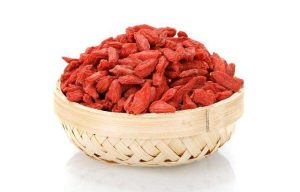
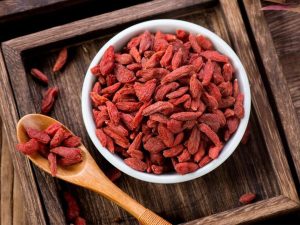
Whole dried goji berries are preferred for seasonal immune support.
- Standard daily serving: 10–20 grams dried goji berries (small handful)
- For prevention: Start 4–6 weeks before cold/flu season for best results, since immune benefits build gradually.
- If you already have a mild cold: Continue the same daily serving alongside plenty of water and rest.
- Do not exceed 30g per day. Overconsumption may trigger loose stools or bloating.
Safety Notes & Herb-Drug Interactions
Goji berries are generally safe for most healthy adults, but watch these important precautions:
- Immunosuppressant drugs: If you take immune-suppressing medications for autoimmune disease or organ transplant, goji berries can alter immune response. Consult your specialist before use.
- Blood thinners (warfarin): Goji berries may increase bleeding risk.
- Blood pressure or diabetes medication: Goji may amplify these drugs and cause low blood pressure or hypoglycemia. Pregnant or breastfeeding individuals should speak with a healthcare provider before long-term daily intake.
Disclaimer: Goji berries are a nutritional herbal food supplement, NOT a treatment for colds, influenza or bacterial infections. They cannot replace prescription antiviral medication or emergency medical care.
Frequently Asked Questions
Q: Can goji berries kill cold or flu viruses?
A: No. They do not directly kill viruses. They support your immune system so your body can fight the virus more effectively.
Q: Should I take goji berries only when I feel sick?
A: The best results come from consistent daily use before cold/flu season. Starting after symptoms appear may still help reduce symptom severity, but the preventive benefit is lost.
Q: Is goji berry extract better than whole dried berries for cold and flu?
A: Standardized LBP extracts contain higher polysaccharide concentrations. Whole berries deliver a full spectrum of vitamins, minerals and antioxidants. Most people start with whole dried berries.
Q: Can children eat goji berries for cold prevention?
A: Small portions are generally safe for kids, but check with a pediatrician first. Stick to 5–10g daily for children.