
Cultivated Cordyceps militaris has drawn research attention for cardiovascular protection, including blood‑pressure‑regulating properties. Within Traditional Chinese Medicine (TCM, 中医), cordyceps is used for hypertension linked to Kidney Jing deficiency and yin‑yang imbalance (肾精亏虚,阴阳失调). It is critical to state clearly: cordyceps is not a blood‑pressure‑lowering drug. It cannot replace prescription antihypertensive medicine. Most supporting evidence comes from cell and animal experiments; human clinical trial data remains limited and mixed. It acts as complementary wellness support rather than medical treatment for hypertension.
Important Disclaimer: Cordyceps is complementary wellness support only. It cannot treat clinical hypertension or cardiovascular disease. If you have diagnosed high or low blood pressure, strictly follow your healthcare provider’s treatment plan. Never stop, reduce or adjust prescription blood‑pressure medications without explicit medical approval.
Traditional Chinese Medicine Perspective: Cordyceps and Blood‑Pressure Imbalance
In TCM theory (中医理论), sustained elevated blood pressure does not equal a single herbal pattern. Cordyceps targets hypertension arising from Kidney Jing depletion, Kidney yin‑yang imbalance, commonly seen in aging populations or people recovering from chronic illness.
Typical accompanying symptoms include dizziness, tinnitus, lower‑back soreness, night sweats, fatigue, frequent night urination and disturbed sleep. In this pattern, root constitutional weakness generates upward‑disturbed qi‑blood circulation that manifests as unstable blood pressure.
Cordyceps is a dual Lung‑Kidney tonic (补肺益肾). It nourishes Kidney essence, restores yin‑yang balance, stabilizes internal qi‑blood movement. As foundational body reserves recover, blood‑pressure‑related discomforts caused by deficiency‑rooted imbalance may improve.
Important TCM note: Cordyceps is not suitable for hypertension caused by pure Liver‑Yang hyperactivity or excessive internal heat in robust people without deficiency; for these patterns, heat‑clearing and liver‑calming herbs are prioritized instead.
Modern Scientific Mechanisms & Research Findings
Note: Vascular‑protective and blood‑pressure‑modulating effects are observed in pre‑clinical models. Human trial results are inconsistent.
1. Endothelial protection and nitric‑oxide‑dependent vasodilation
Healthy blood‑vessel endothelial function is critical for normal blood‑pressure regulation. Cordycepin and cordyceps polysaccharides promote nitric‑oxide (NO) release from vascular endothelial cells. Nitric‑oxide relaxes blood vessel smooth muscle, supporting healthy vasodilation. Animal hypertension models show cordyceps supplementation helps reduce peripheral vascular resistance.
2. Anti‑oxidant and anti‑inflammatory protection for blood vessels
Chronic oxidative stress and low‑grade inflammation damage blood vessel walls, contributing to sustained high blood pressure. Cordyceps activates the Nrf2 antioxidant pathway and inhibits NF‑κB inflammatory signalling. It reduces oxidative injury to endothelium, helping preserve normal vascular elasticity.
3. Modulation of renin‑angiotensin‑aldosterone system (RAAS)
The RAAS hormone system is a major driver of hypertension. Pre‑clinical research indicates cordyceps compounds moderately suppress excessive renin‑angiotensin‑aldosterone activation, lowering hormone‑driven vasoconstriction. It does not fully block RAAS like prescription antihypertensive drugs.
4. Improve lipid‑metabolism and reduce vascular burden
As covered in previous research, cordyceps supports balanced lipid profiles. By mitigating abnormal lipid deposition inside blood vessels, it indirectly reduces long‑term cardiovascular load linked to hypertension progression.
5. Human clinical observations
Small human trials show mixed outcomes. Some studies on subjects with kidney disorders or metabolic syndrome report mild systolic blood‑pressure reduction after cordyceps supplementation. Other trials on general hypertensive participants show no statistically significant blood‑pressure changes. Importantly, a small number of sensitive individuals may experience slight blood‑pressure variation. No large‑scale RCT proves cordyceps can deliver drug‑level antihypertensive effects.
Key safety note: Cordyceps is bidirectional modulating. In rare cases, people with low blood pressure may notice further blood‑pressure drop.
Which People May Gain Adjunct Cardiovascular Wellness Support
These describe functional wellness patterns, not formal medical diagnoses:
- Mild unstable elevated blood pressure paired with TCM Kidney deficiency signs: aging‑related constitutional decline, fatigue, lower‑back soreness, tinnitus, night‑time urination
- Individuals with metabolic stress and early‑stage cardiovascular risk factors seeking nutritional adjunct support alongside diet and lifestyle changes
- Post‑illness recovery with vascular‑system weakness and fluctuating blood pressure
Groups expecting minimal or inappropriate benefit:
- Severe hypertension requiring multi‑drug prescription antihypertensive therapy
- Hypertension dominated by Liver‑Yang hyperactivity pattern without physical deficiency
- People with clinically significant hypotension (low blood pressure); cordyceps may worsen light‑headedness in this group
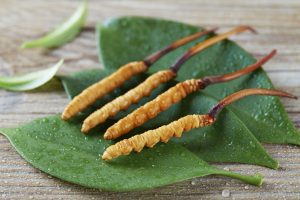
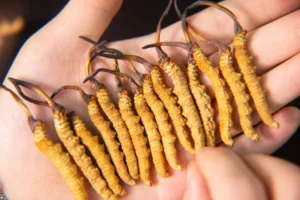
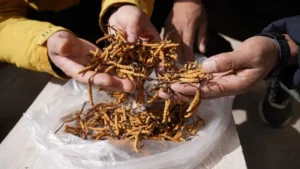
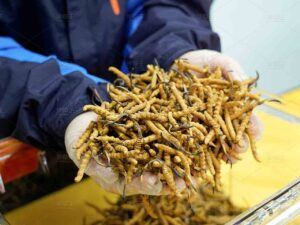
Wild Ophiocordyceps sinensis vs Cultivated Cordyceps militaris for Blood‑Pressure Wellness
| Item | Ophiocordyceps sinensis (Wild caterpillar fungus) | Cultivated Cordyceps militaris |
|---|---|---|
| Cardiovascular bioactives | Unstable cordycepin and polysaccharide levels, large batch variation | Controlled indoor cultivation, standardized cordycepin and polysaccharide content |
| Quality risks | High adulteration risk, heavy‑metal contamination from high‑altitude soil | Third‑party lab‑testable raw material, stable potency |
| Cost | Extremely expensive for long‑term daily supplementation | Cost‑effective for cyclic wellness use |
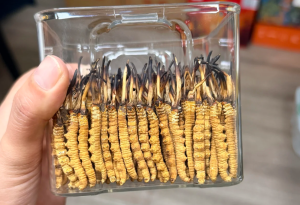
| Research background | Mainly historical TCM observational records | Most modern cardiovascular pre‑clinical studies use cultivated Cordyceps militaris |
| Practical recommendation | Not recommended for regular daily blood‑pressure‑support use | Preferred choice for adjunct cardiovascular wellness supplementation |
Important market warning: Some “cardiovascular‑support” herbal blends labelled cordyceps may contain hidden antihypertensive‑like compounds. Always select independently third‑party tested supplements.
Recommended Usage, Dosage & Timing for Blood‑Pressure‑Related Wellness
Cordyceps may produce mild alertness in sensitive users; avoid high‑dose intake late in the evening. Regular home blood‑pressure monitoring is strongly recommended throughout supplementation.
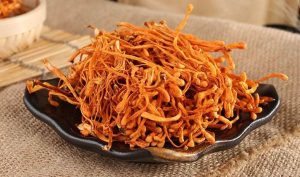
- Forms: Standardized dual‑extract capsules / powder; cordyceps fruiting‑body decoction tea.
- Adult daily dosage for cardiovascular adjunct goals: 1000‑2000 mg standardized Cordyceps militaris extract per day. Start at lower dosage for people already taking blood‑pressure medicine.
- Timing: Take in morning or early afternoon. Late‑day dosing may trigger mental alertness and disturb sleep for sensitive people.
- Cyclic protocol: Take daily for 6‑8 weeks, followed by a 7‑day rest break. Blood‑pressure‑related changes develop gradually. Track home blood‑pressure readings consistently. If zero measurable benefit after 12 weeks, discontinue supplementation.
- Synergistic herbal combinations:
- cordyceps + astragalus root: tonify qi and support endothelial health for deficiency‑pattern cardiovascular imbalance
- cordyceps + schisandra berry: enhance antioxidant vascular protection
Critical Safety Guidelines & Contraindications
- Not blood‑pressure medication: Cordyceps only offers mild modulatory effects. It cannot replace prescription antihypertensive drugs. Never stop prescribed blood‑pressure treatment without doctor approval.
- Blood‑pressure‑medication interaction risk: Cordyceps may have mild hypotensive effects. If you take antihypertensive prescription drugs, your blood‑pressure level could drop too low. Medical supervision and frequent blood‑pressure monitoring are mandatory.
- Anticoagulant / anti‑platelet medication: Cordyceps shows mild anti‑platelet activity. People taking blood‑thinning medicines require medical clearance before supplementation due to bleeding risk.
- Pre‑surgery: Discontinue cordyceps at least two weeks before scheduled surgery.
- Autoimmune disease / immunosuppressant drugs: Cordyceps is immune‑modulating. Specialist medical supervision is mandatory; do not self‑supplement.
- Pregnancy and breastfeeding: Avoid cordyceps; insufficient human safety data for these life stages.
- If you feel dizziness, light‑headedness after taking cordyceps, immediately check your blood pressure and lower dosage or discontinue use.
- Foundational lifestyle factors remain primary for blood‑pressure management: low‑sodium diet, regular moderate exercise, weight management, stress reduction and adequate sleep deliver proven cardiovascular benefits.
Final Thoughts
Cordyceps for blood pressure draws support from centuries‑old TCM practice (中医) and modern pre‑clinical vascular research. In TCM theory, it addresses unstable blood pressure rooted in Kidney Jing deficiency and yin‑yang imbalance. Modern lab research shows cordycepin and polysaccharides support endothelial vasodilation, antioxidant defence and moderate RAAS‑system activity.
Human clinical evidence remains preliminary and inconsistent. Cultivated Cordyceps militaris works best as adjunct wellness support for mild fluctuating blood‑pressure issues linked to constitutional deficiency. It is not a hypertension treatment. Wild caterpillar fungus carries high cost and contamination risks and is not recommended for daily routine use. Always follow professional medical care for diagnosed blood‑pressure disorders.
Q&A
Q1: Can cordyceps replace my prescription blood‑pressure pills?
A: No. Pre‑clinical research shows vascular‑protective mechanisms, but human clinical proof for antihypertensive treatment is insufficient. Cordyceps is only complementary wellness support. Never discontinue prescribed antihypertensive medication without your doctor’s guidance.
Q2: What blood‑pressure‑related situations may cordyceps potentially help?
A: It offers most promise for mild fluctuating blood pressure accompanied by Kidney‑deficiency‑related symptoms: aging‑related decline, fatigue, lower‑back soreness, tinnitus. It is not suitable for severe hypertension requiring pharmaceutical‑grade intervention. People with existing low blood pressure should avoid it.
Q3: Do I need to monitor my blood pressure while taking cordyceps?
A: Yes. If you take antihypertensive prescription drugs, regular home blood‑pressure monitoring is essential to watch for excessively low blood pressure and dizziness.
Q4: How long should I take cordyceps before evaluating blood‑pressure‑related effects?
A: Allow 6‑8 weeks of consistent cyclic supplementation. Keep records of home blood‑pressure measurements. If no positive change after 12 weeks, discontinue supplementation.
Q5: Can I combine cordyceps with astragalus for cardiovascular support?
A: Yes. This classic TCM pairing tonifies qi and supports vascular health for deficiency‑pattern cardiovascular imbalance. Prefer morning‑early‑afternoon intake.
Q6: Are there potential side‑effects of taking cordyceps for blood‑pressure wellness?
A: Most healthy adults tolerate it well. Rare mild gastrointestinal bloating or loose stools can appear at the start. Sensitive individuals may experience dizziness caused by blood‑pressure drop or heightened mental alertness with late‑day doses. Cease use for any mushroom‑related allergic reaction. People on blood‑pressure drugs or blood‑thinners need doctor supervision.
Q7: Is wild Ophiocordyceps sinensis better than cultivated Cordyceps militaris for blood‑pressure health?
A: No. Wild‑sourced cordyceps is extremely expensive, frequently adulterated and carries heavy‑metal contamination hazards. Cultivated Cordyceps militaris delivers standardized cordycepin and polysaccharides and is the preferred practical option for adjunct cardiovascular wellness supplementation.



Interesting read! I’ve seen cordyceps mentioned a lot for general wellness, but it’s good to see the line drawn so clearly. So easy to get swept up in “natural = better” and forget these things are support, not medicine. Anyone with hypertension should definitely stick to their prescribed meds first. Curious if anyone
Great piece, and I really appreciate the emphasis on “complementary only.” I’ve been taking Cultured Cordyceps for about six months for general stamina (I