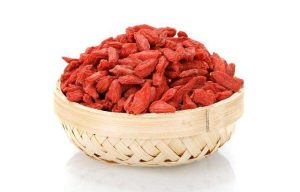
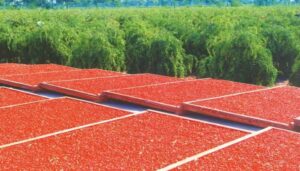
Wondering if goji berry helps macular degeneration? As a herbal pharmacist, I break down goji berry nutrients, clinical research, real client story, dosage, safety and common myths about age-related macular health.
If you or a family member has received a warning about early macular changes with aging, you’ve probably searched for natural ways to protect your central vision. Macular degeneration slowly damages the macula, the retinal tissue responsible for sharp, straight-ahead vision, and it is one of the top leading causes of permanent vision loss in older adults. Many of my clients ask: Can goji berry slow macular degeneration progression?
As a herbal pharmacist, I regularly discuss goji berries with clients concerned about age-related eye decline. Goji berries deliver concentrated carotenoids and polysaccharides that support macular health and reduce oxidative retinal damage. But the most important truth I lead with: goji berries cannot cure or reverse advanced macular degeneration. It works best as a supportive nutritional strategy for people with early-stage macular changes or those aiming for preventive eye care.
Key Active Compounds in Goji Berry That Protect the Macula
The macula is extremely vulnerable to oxidative stress and blue light damage over decades. The nutrients in goji berries target this weak spot directly.
Zeaxanthin & Lutein These two carotenoids are the building blocks of macular pigment. Zeaxanthin concentrates right in the center of the macula, while lutein surrounds it. Together, they form a natural light filter, absorbing harmful blue and high-energy visible light, neutralizing free radicals that eat away at macular cells over time. Goji berries stand out among food sources because they contain exceptionally high natural zeaxanthin levels. Most fruits only offer small amounts of this vital nutrient.
Goji Polysaccharides These signature bioactive compounds reduce chronic inflammation inside retinal tissue. Long-term low-grade inflammation accelerates macular cell breakdown. Studies show goji polysaccharides help shield retinal pigment epithelium (RPE) cells from oxidative injury, slowing the wear-and-tear process that drives macular degeneration.
Beta-carotene, Vitamin C, Zinc, Selenium Beta-carotene converts to vitamin A to maintain healthy retinal function. Vitamin C, zinc and selenium improve blood flow to the retina and further neutralize free radicals. These nutrients work alongside zeaxanthin to create full-spectrum eye protection.
Real Client Case: Early Age-Related Macular Changes
A 62-year-old client visited me after a routine eye exam. His optometrist detected early dry macular degeneration, with small drusen deposits forming in both eyes. He had not developed blind spots yet, but was told his macular pigment density was low and he needed to take proactive steps to preserve his vision. He did not want to jump straight to high-dose synthetic supplements and wanted a gentle food-first approach.
I recommended 15g dried goji berries daily, consumed in the morning, plus a diet rich in leafy greens and regular annual eye monitoring.
After 12 months of consistent daily intake, his follow-up eye test showed stable macular pigment optical density. The drusen had not increased in size or number, and he reported less difficulty seeing faces in dim lighting. This is exactly what we expect from goji berry supplementation: it helps stabilize early macular changes, not eliminate existing drusen.
Clinical Research & Industry Data on Goji Berry and Macular Degeneration
A landmark human study published in Nutrients recruited healthy older adults with low macular pigment. Participants ate goji berries 5 days per week for 90 days. The group consuming goji showed statistically significant rises in macular pigment optical density (MPOD). Higher MPOD correlates with lower risk of progression to age-related macular degeneration.
Another laboratory and preclinical research demonstrates goji polysaccharides protect retinal pigment epithelial cells from oxidative cell death, a core biological pathway in dry macular degeneration.
Critical reality check: Most research focuses on dry, early-stage macular degeneration. There is no evidence goji berries treat wet macular degeneration. Anyone diagnosed with wet macular degeneration must follow their ophthalmologist’s medical treatment plan immediately; herbal nutrition cannot replace injections or prescription therapies.
How Goji Berry Supports Macular Health
- Boost macular pigment density Zeaxanthin and lutein build up in the macula, reinforcing its natural defense barrier against light and oxidative damage.
- Reduce retinal inflammation and oxidative stress Goji polysaccharides calm low-grade inflammation that speeds macular tissue aging.
- Help maintain central vision in early dry macular changes For people with early dry AMD, consistent intake may help slow the progression and delay vision changes.
- Reduce glare sensitivity and improve contrast vision Many users with early macular changes report better ability to distinguish objects in low contrast environments.
Recommended Dosage for Macular Support
Whole dried goji berries are preferred for long-term nutritional support.
- Standard daily serving: 10–20 grams dried goji berries per day
- It takes roughly 8–12 weeks for carotenoids to accumulate in macular tissue, and benefits for macular health require long-term consistent use, not short bursts.
- Do not exceed 30g daily. Overconsumption may trigger loose bowel movements, bloating, or blood pressure shifts for sensitive users.
Safety & Herb-Drug Interactions
Goji berries are generally safe for healthy older adults, but interactions are important to review before starting daily use:
- Blood thinners such as warfarin: Goji berries may increase anticoagulant activity and bleeding risk.
- Blood pressure medications: Goji may potentiate these drugs and lead to hypotension.
- Anti-diabetic medications: Goji can lower blood glucose levels, requiring more frequent blood sugar checks. Anyone diagnosed with macular disease must keep all scheduled ophthalmology appointments and continue medical monitoring.
Disclaimer: Goji berry is a nutritional herbal food supplement, NOT a medical treatment for macular degeneration. It cannot replace ophthalmologist care, prescription medications, or AMD medical therapies.
Frequently Asked Questions
Q: Can goji berry reverse macular degeneration?
A: No. Once macular cells are permanently damaged, they cannot be restored. Goji berry supports remaining macular tissue and may slow progression in early dry AMD. It cannot reverse advanced disease.
Q: Is goji berry better than lutein/zeaxanthin supplements for macular degeneration?
A: Isolated supplements deliver higher concentrated carotenoids, while whole goji berries provide the full complex of polysaccharides, vitamins and trace minerals. Many people combine both after consulting their eye doctor.
Q: What’s the difference between dry and wet macular degeneration for goji berry use?
A: Goji berry only acts as preventive/supportive nutrition for early dry AMD. Wet macular degeneration is a serious medical emergency and requires professional medical intervention.
Q: How long before I see changes in macular pigment?
A: Measurable increases in macular pigment usually take 3 months or longer of steady daily consumption.