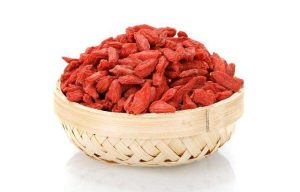
Are goji berries supportive for liver health? As a herbal pharmacist, I break down how goji berries protect liver cells, active compounds, client story, clinical research, dosage and safety warnings.
Your liver handles detoxification, hormone metabolism, filtering waste and neutralizing oxidative stress every single day. Alcohol, processed foods, environmental toxins and chronic inflammation can gradually burden liver tissue. Many clients ask: Can goji berries help protect the liver and support normal liver function?
As a herbal pharmacist, goji berries are a well-researched botanical for liver support. They do not treat liver disease or repair severe liver damage. Instead, LBP and antioxidants shield liver cells from oxidative injury, reduce hepatic inflammation and support healthy detox pathways to preserve liver function.
Key Active Compounds for Liver Support
Lycium barbarum Polysaccharides (LBP) LBP is the primary liver-protective compound. It defends hepatocytes (liver cells) from free radical damage and toxic oxidative injury. It lowers inflammation within liver tissue and helps regulate antioxidant enzymes like SOD and glutathione. Glutathione is the liver’s master detox antioxidant, critical for neutralizing environmental toxins. LBP also helps reduce hepatic fat accumulation in mild fatty liver cases in preclinical research.
Zeaxanthin, Lutein and Beta-carotene These carotenoids reduce systemic oxidative stress, lowering the total toxic load the liver must process.
Flavonoids: Quercetin, Rutin, Chlorogenic Acid Polyphenols reduce liver inflammation and help stabilize liver cell membranes, preventing leakage of liver enzymes when tissue is under stress.
Vitamin C Supports glutathione recycling, enhancing the liver’s natural detoxification capacity.
Real Client Case: Mild Elevated Liver Enzymes
A 47-year-old client consulted me. His blood work showed mildly elevated liver enzymes linked to poor diet, excess processed sugar and long-term daily alcohol consumption. No cirrhosis or viral hepatitis was diagnosed. He wanted gentle natural liver support alongside lifestyle changes.
I recommended 15g dried goji berries daily, paired with cutting back alcohol and refined sugar, plus regular exercise.
After 12 weeks, his follow-up blood panel showed liver enzyme levels returned to normal range. He also reported improved energy and less afternoon fatigue. This case shows goji works best alongside lifestyle adjustments; it cannot compensate for ongoing heavy alcohol use or severe liver pathology.
Clinical Research & Industry Data
Preclinical and human studies in Journal of Ethnopharmacology demonstrate LBP’s hepatoprotective effects, reducing oxidative liver damage and lowering inflammatory liver markers. Research indicates LBP may help reduce lipid buildup in liver cells, supporting non-alcoholic fatty liver in early, mild cases.
Important reality check: Goji berries support healthy liver function, they cannot cure hepatitis, cirrhosis, advanced fatty liver or drug-induced severe liver injury. Anyone with diagnosed liver disease must follow close medical supervision. Never replace prescription liver care with herbal supplements.
Core Liver Health Benefits of Goji Berries
- Protect hepatocytes from oxidative damage LBP shields liver cell membranes from free radicals and toxin-induced injury.
- Boost glutathione and endogenous liver antioxidants Glutathione is essential for liver detoxification; goji compounds help maintain adequate glutathione stores.
- Reduce hepatic inflammation Chronic liver inflammation slowly damages liver tissue. LBP balances inflammatory signaling inside the liver.
- Support healthy lipid metabolism in the liver May reduce excess fat buildup within liver cells in mild, early-stage fatty liver.
- Help reduce overall toxic burden Systemic antioxidants lower whole-body oxidative stress, decreasing the workload placed on the liver.
Recommended Dosage for Liver Support
Whole dried goji berries provide full-spectrum nutrients for liver support.
- Standard daily serving: 10–20 grams dried goji berries (roughly a small handful)
- Allow 8–12 weeks of consistent intake before checking liver enzyme markers. Liver changes take time.
- Do not exceed 30g daily. Overconsumption can trigger loose stools.
Safety Notes & Herb-Drug Interactions
Goji berries are generally safe for healthy adults, but these precautions are critical for liver users:
- Liver-metabolized prescription drugs: Goji may alter liver enzyme activity. If you take medications processed by the liver, consult your doctor before starting.
- Blood thinners (warfarin): Goji berries may increase bleeding risk.
- Blood pressure medications: Goji can potentiate these drugs and lead to low blood pressure.
- Diabetes medication / insulin: Goji may lower blood sugar; regular glucose monitoring is required. Pregnant or breastfeeding individuals should consult a healthcare provider before long-term daily consumption. People with advanced liver disease must seek medical advice before using goji berries or LBP extracts.
Disclaimer: Goji berries are a nutritional herbal food supplement, NOT a medical treatment for liver disease. They cannot replace liver medications, medical monitoring or lifestyle therapy for liver conditions.
Frequently Asked Questions
Q: Can goji berries reverse fatty liver?
A: It may offer supportive benefits for mild early-stage fatty liver when combined with diet and exercise. It cannot reverse advanced fatty liver disease. Lifestyle modification remains the primary treatment.
Q: Is LBP extract better than whole goji berries for liver protection?
A: Standardized LBP extracts deliver concentrated hepatoprotective polysaccharides. Whole berries provide a full spectrum of antioxidants. New users typically start with whole dried goji berries.
Q: Can I take goji berries while on liver medication?
A: You must check with your hepatologist first, since goji can affect liver enzyme pathways and interact with prescription drugs.
Q: Will goji berries help detox my liver after drinking alcohol?
A: It can help reduce oxidative stress after occasional light alcohol intake, but it cannot protect the liver from repeated heavy alcohol consumption.