Are goji berries good for liver health? As a herbal pharmacist, I break down goji’s liver-protective mechanisms, research, dosage, limitations and safety warnings.
The liver filters toxins, metabolizes medications and regulates inflammation. Many people seek natural botanicals to support liver function and ask: Can goji berries protect the liver, reverse fatty liver, or heal liver damage?
As a herbal pharmacist, goji berries offer evidence-backed hepatoprotective (liver-protective) benefits when used in moderate, consistent doses, thanks mainly to LBP. It supports liver cell defense and reduces hepatic oxidative stress; however, it is not a liver treatment drug and cannot cure cirrhosis, severe hepatitis or advanced liver disease.
Key Active Compounds for Liver Support
Lycium barbarum Polysaccharides (LBP) LBP is the primary liver-supporting compound. It neutralizes free radicals inside liver cells, reduces liver inflammation, and limits lipid accumulation in liver tissue. Preclinical research shows LBP helps guard hepatocytes against toxin-induced injury and may reduce oxidative damage in non-alcoholic fatty liver disease (NAFLD).
Antioxidants (Zeaxanthin, beta-carotene, vitamin C) These lower systemic oxidative burden, reducing extra stress placed on the liver.
Flavonoids Flavonoids modulate inflammatory signaling in the liver, helping curb chronic low-grade inflammation that contributes to fatty liver progression.
Real Client Case: Mild Fatty Liver & Elevated Liver Enzymes
A 47-year-old client was diagnosed with mild NAFLD, slightly elevated ALT liver enzymes. No alcohol-related liver disease, no cirrhosis. His doctor recommended diet and lifestyle modifications.
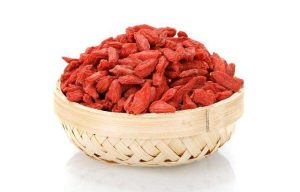
I recommended 10–12g Ningxia dried goji berries daily with breakfast, alongside reduced refined sugar and regular exercise.
After 12 weeks of consistent intake, repeat blood work showed his liver enzymes returned to normal range. This shows goji works as adjunct nutritional support alongside lifestyle changes; it cannot reverse advanced liver scarring (cirrhosis).
Clinical Research & Industry Data
Studies in Nutrients and phytotherapy literature demonstrate LBP reduces oxidative liver damage and improves liver enzyme markers in mild fatty liver models. Human trials show modest improvements in liver antioxidant status. Results are most promising for early-stage fatty liver combined with diet and exercise.
Important reality check: Goji berries are nutritional support, NOT a cure for liver disease. If you have hepatitis, cirrhosis or severe liver impairment, you must consult your hepatologist before use. Never stop prescribed liver medications.
Core Liver Health Benefits
- Protect liver cells from oxidative damage LBP scavenges free radicals to reduce hepatocyte injury.
- Help reduce fat buildup in the liver May limit lipid deposition, beneficial for mild non-alcoholic fatty liver.
- Lower hepatic inflammation Chronic liver inflammation drives progression of liver damage.
- Support antioxidant status to reduce liver workload
Recommended Dosage for Liver Support
- Dried Ningxia goji berries: 10–12g daily. Do not exceed 20g daily.
- Standardized LBP extract: 500–1000mg daily.
- Allow 8–12 weeks of consistent intake to see potential improvements in liver enzyme markers.
Safety Notes & Herb-Drug Interactions
- Prescription liver-metabolized medications: Goji may alter liver enzyme activity. Check with your doctor or pharmacist, especially if taking statins, antifungals or psychiatric drugs.
- Blood thinners: Requires physician approval, bleeding risk.
- Diabetes medications / insulin: Monitor blood sugar closely.
- Advanced liver disease (cirrhosis, severe hepatitis): Medical clearance mandatory before starting goji.
- Alcohol use: Goji cannot offset liver damage from heavy alcohol consumption.
- Nightshade allergy: Avoid entirely.
Disclaimer: Goji berries and LBP extracts are nutritional botanical supplements, NOT prescription liver medication. This educational content does not substitute professional advice from your hepatologist or primary care provider. Continue all routine liver function testing.
Frequently Asked Questions
Q: Can goji berries reverse fatty liver?
A: It may help mild NAFLD when paired with diet and exercise. It cannot reverse advanced fatty liver with fibrosis or cirrhosis.
Q: Is goji safe if liver enzymes are already high?
A: For mild elevations, it may be used under doctor supervision. Severe liver enzyme elevation needs specialist assessment first.
Q: Can goji detox your liver?
A: Goji supports liver cell protection and antioxidant defenses, but it does not perform a “detox cleanse.” The liver naturally handles toxin clearance.
Q: Should I take LBP extract or whole berries for liver health?
A: Both work. Whole berries provide full-spectrum nutrition, while concentrated LBP extract delivers higher polysaccharide dose with less sugar.