Are Goji Berries Anti Inflammatory? As a herbal pharmacist, I break down goji’s anti-inflammatory compounds, research, suitable conditions, dosage and safety warnings.
Chronic low-grade inflammation silently damages blood vessels, digestive lining, skin, eyes and joints. Many clients seek natural foods to calm persistent inflammation and ask: Do goji berries have anti-inflammatory properties, and can they reduce chronic inflammation in the body?
As a herbal pharmacist, yes, goji berries exhibit proven anti-inflammatory and antioxidant effects, acting mainly to reduce low-grade systemic inflammation. It works as long-term nutritional support rather than a fast-acting anti-inflammatory drug like ibuprofen. It helps modulate inflammatory signaling instead of completely shutting down normal immune response.
Key Anti-Inflammatory Compounds
Lycium barbarum Polysaccharides (LBP) LBP is the primary bioactive compound. It suppresses pro-inflammatory cytokines (TNF-α, IL-6) that drive chronic inflammation. Preclinical and human research shows LBP reduces inflammation in blood vessels, liver, retinal tissue and mucosal surfaces. It balances immune response to prevent excessive inflammatory overreaction.
Zeaxanthin & Lutein These carotenoids reduce local oxidative inflammation, especially in eye tissue, easing inflammation from blue light and aging.
Flavonoids (Quercetin, Rutin) Quercetin inhibits inflammatory pathways and reduces histamine release. Rutin lowers vascular inflammation and capillary fragility.
Vitamin C and beta-carotene These antioxidants reduce oxidative stress, a major trigger for inflammation.
Real Client Case: Chronic Low-Grade Inflammation
A 45-year-old client had persistently elevated CRP (C-reactive protein), fatigue, joint stiffness and occasional digestive upset. No autoimmune disease diagnosed. Lifestyle changes alone only slightly improved his CRP.
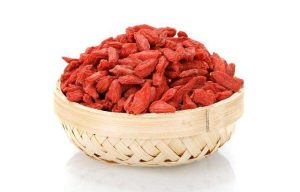
I recommended 10–12g Ningxia dried goji berries daily in the morning with food, alongside more vegetables and reduced processed sugar.
After 12 weeks, his CRP marker dropped and his generalized fatigue improved. This illustrates goji helps lower mild chronic inflammation; it cannot treat acute severe inflammation or autoimmune inflammatory disorders by itself.
Clinical Research & Industry Data
Human studies in Nutrients show daily goji supplementation reduces circulating inflammatory markers such as CRP in adults with mild chronic inflammation. LBP research demonstrates inhibition of pro-inflammatory cytokine production. The anti-inflammatory effect is mild and gradual, requiring consistent intake.
Important reality check: Goji berries are nutritional anti-inflammatory support, NOT NSAID or steroid medication. It will not quickly relieve acute pain, swelling or flare-ups of autoimmune conditions. If you have autoimmune disease, seek medical approval before use.
Key Areas Where Goji Helps Reduce Inflammation
- Vascular inflammation: Protect artery endothelium and reduce inflammation linked to high blood pressure.
- Hepatic inflammation: Reduce liver inflammation in mild fatty liver.
- Ocular inflammation: Lower retinal and dry-eye inflammation.
- Systemic low-grade inflammation: Reduce whole-body oxidative stress and inflammatory cytokine levels.
Recommended Dosage for Anti-Inflammatory Support
- Dried Ningxia goji berries: 10–12g daily. Upper safety limit: 20g per day.
- Standardized LBP extract: 500–1000mg daily.
- Continue consistently for 8–12 weeks for measurable changes in inflammatory markers.
Safety Notes & Herb-Drug Interactions
- Immunosuppressants / autoimmune medications: Consult your specialist before use, as LBP modulates immune and inflammatory response.
- Blood thinners: Medical supervision required; stacking antiplatelet effects increases bleeding risk.
- Diabetes medications / insulin: Monitor blood glucose closely.
- Antihypertensive drugs: May amplify blood pressure lowering.
- NSAIDs (ibuprofen, naproxen): No direct dangerous interaction, but always inform your prescriber.
- Nightshade allergy: Avoid entirely.
Disclaimer: Goji berries and LBP extracts are nutritional botanical supplements, NOT prescription anti-inflammatory medication. This educational content cannot replace advice from your healthcare provider.
Frequently Asked Questions
Q: Can goji help joint inflammation and arthritis pain?
A: It may reduce low-grade systemic inflammation for mild joint discomfort, but it is not a treatment for rheumatoid arthritis or severe osteoarthritis.
Q: Does goji reduce gut inflammation?
A: Yes, LBP can soothe mild gut mucosal inflammation. For gastritis or IBD, always get doctor clearance first.
Q: Is LBP extract more potent for inflammation than whole berries?
A: Concentrated LBP extract delivers higher polysaccharide amounts, while whole berries supply flavonoids and carotenoids for full-spectrum anti-inflammatory benefits.
Q: How fast will inflammation markers go down?
A: It generally takes 8–12 weeks of daily intake to see changes in CRP and other inflammatory markers.