


Tianxianteng, Ginkgo, and Lotus Seed Drink,From *Proven Tea, Decoction, and Soup Recipes for Common Ailments*,Promotes the flow of qi and activates blood circulation. Suitable for chronic pelvic inflammatory disease of the qi stagnation and blood stasis type.
📖 Related Reading
- ▸ 4 Chinese Herbal Teas to Enhance Memory and Brain Function July 3, 2026
- ▸ 8 TCM Herbal Infusions to Support Healthy Urinary Tract Wellness June 27, 2026
- ▸ 9 Gentle TCM Herbal Blends for Long-Term Stomach Comfort Support June 25, 2026
- ▸ 8 Gentle TCM Herbal Blends to Support Balanced Airway & Lower Respiratory Wellbeing June 23, 2026
- ▸ Chronic Pharyngitis: 9 TCM Herbal Teas for Lung Heat & Deficient Fire June 30, 2026
- ▸ Chinese Tea: Types, Benefits, and Complete Classification Guide July 16, 2026
- ▸ Cordyceps and Reishi Tea: Calm Mind & Immune Support Guide June 27, 2026
- ▸ 6 TCM Herbal Infusions to Support Balanced Nocturnal Emission Wellness June 28, 2026
- ▸ Cordyceps & Astragalus Tea for Immune Support and Vitality June 27, 2026
- ▸ 11 Chinese Herbal Teas for Relieving Vomiting June 25, 2026
Commentary
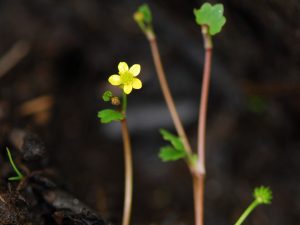
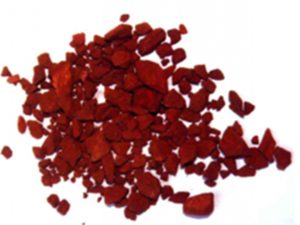
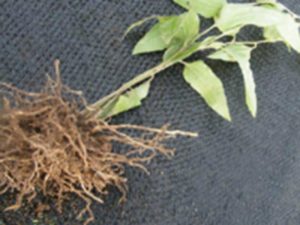
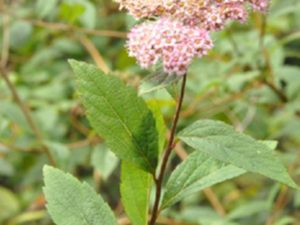
Tianxianteng acts as the chief herb, anchoring the herbal tea formula overall action. Ginkgo nuts (Bai-guo) fill the deputy position; neutral and sweet, bitter, astringent in character, it travels through the Lung, Kidney meridians to astringe the lung, stop cough and check leukorrhea and enuresis. Lotus seeds (Lian-zi) add further support, working to tonify the spleen, astringe the kidney and calm the spirit. Without a separate harmonizing herb, the herbal tea formula balance is achieved through the mutual tempering of its active ingredients. United, the ingredients promote the flow of qi and activate blood circulation, addressing the root disturbance of the blood and qi pattern.