
Astragalus root kidney support has been documented for centuries within Traditional Chinese Medicine, and modern scientific research continues validating its protective effects on renal tissue. The kidneys perform vital filtering work, clearing waste, balancing fluid levels, regulating electrolytes and supporting blood pressure stability. Daily burdens such as persistent inflammation, oxidative stress, long-term stress, poor diet, viral illness, environmental toxins, and aging gradually place strain on kidney cells. While severe kidney disease always requires strict medical oversight, many people seek gentle, natural daily support to preserve baseline kidney wellness — and astragalus root stands out as one of the most studied botanicals for shielding renal tissue from ongoing damage.
Traditional View: Astragalus Reinforces Qi to Protect the Kidneys
In TCM framework, healthy kidney function relies on sufficient Qi to maintain fluid metabolism and organ vitality. Chronic Qi deficiency creates sluggish circulation and fluid stagnation, adding extra workload to the kidneys. Astragalus primarily tonifies Qi, improves circulation throughout the body, and promotes healthy fluid transformation, reducing unnecessary burden on renal filtration systems.
Crucially, astragalus is not a “detox herb” that forces aggressive flushing. Instead, it works protectively: it strengthens surrounding bodily systems to prevent excessive waste buildup, rather than pushing the kidneys to work harder. This gentle action makes it suitable for long-term maintenance, unlike harsh cleansing herbs that can overtax sensitive renal tissue.
How Astragalus Delivers Kidney Support Scientifically
1. Guards Kidney Cells Against Oxidative Damage
Kidney tissue is highly vulnerable to free radical harm. Continuous filtration exposes renal cells to metabolic waste and oxidative stress, which slowly injures nephrons over time. Astragalus contains concentrated astragalosides, polysaccharides and flavonoids that boost endogenous antioxidant activity within kidney tissue. It elevates glutathione and superoxide dismutase levels, neutralizing free radicals and slowing progressive cellular wear. This antioxidant shield lowers the risk of cumulative damage caused by daily metabolic strain.
2. Reduces Renal Inflammation
Low-grade inflammation contributes significantly to declining kidney function. Persistent systemic inflammation irritates delicate renal blood vessels and filtration structures. Astragalus modulates inflammatory signaling, lowering excess pro-inflammatory cytokines that attack kidney tissue. By calming widespread inflammation, it reduces constant irritation to the microvasculature inside the kidneys and supports stable filtration function.
3. Improves Renal Blood Circulation
Healthy blood flow is essential for kidney performance. Poor circulation restricts oxygen and nutrient delivery to renal tissue, while also slowing waste clearance. Astragalus enhances microcirculation, optimizing blood supply to the kidneys. Consistent circulation support maintains efficient filtration and prevents tissue hypoxia, a common trigger for progressive kidney cell damage.
4. Supports Healthy Fluid Balance
Many people with mild kidney strain struggle with minor fluid retention and sluggish waste elimination. Astragalus encourages balanced fluid metabolism in the body. It helps shift trapped fluid gently without intense diuretic effects, easing mild puffiness that stems from poor fluid regulation and reducing filtration pressure on the kidneys.
5. Aids Recovery After Stress or Viral Injury
Severe infection, including viral illnesses, can temporarily stress kidney function. Post-viral inflammatory load often creates extra renal workload. Astragalus lowers residual inflammation, replenishes depleted energy and supports tissue repair, making it popular for gentle recovery support once acute sickness resolves.
Who May Benefit From Astragalus Root Kidney Support
- People looking for daily preventative kidney protection amid aging
- Those experiencing mild fluid retention linked to sluggish circulation
- Individuals recovering from illness that temporarily stressed renal function
- People exposed regularly to environmental toxins or processed diets
- Anyone managing chronic low-grade inflammation that impacts organ health
Critical Safety Guidelines (Extremely Important for Kidney Wellness)
- Not a replacement for medical care: If you have diagnosed chronic kidney disease, impaired renal function or elevated kidney markers, consult your nephrologist before using astragalus supplements. Do not discontinue prescribed treatment.
- Acute kidney infection stage: Pause astragalus during active acute kidney inflammation or infection. Its tonifying action is best used during recovery and maintenance phases, not acute flare-ups.
- Monitor electrolyte balance: When using herbal support long-term, maintain consistent hydration and balanced nutrition.
- Follow cyclic usage: Take astragalus daily for 6–8 weeks, followed by a one-week rest break to avoid herbal tolerance.
How to Use Astragalus for Kidney Support
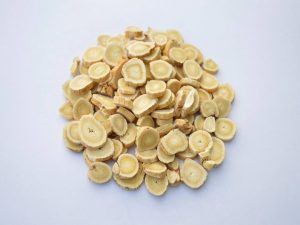
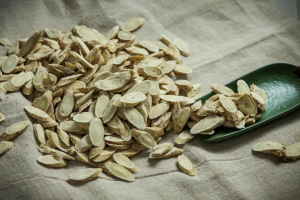
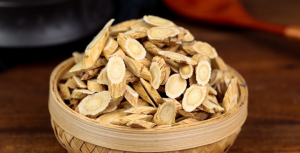
Dried astragalus root simmered as tea delivers gentle, whole-body support for renal wellness. Standardized capsules with measured astragaloside content offer convenient daily dosing. For holistic organ protection, many herbal protocols pair astragalus with mild nourishing botanicals that complement kidney health, avoiding harsh stimulant or aggressive detox ingredients. Always start with moderate doses to assess individual tolerance.
Final Thoughts
Astragalus root kidney support offers a mild, research-backed strategy to protect renal cells, reduce inflammatory strain, improve circulation and maintain healthy fluid metabolism. It works by defending kidney tissue from oxidative harm and easing the constant workload placed on filtration systems. While it cannot reverse advanced kidney disease, astragalus is a valuable tool for anyone prioritizing proactive long-term organ wellness and reducing cumulative stress on the kidneys.


Great to see traditional wisdom getting scientific backup. I’ve been taking astragalus for a couple of years now, mostly for immunity, but it’s reassuring to know my kidneys are getting some love too. The part about oxidative stress really hit home—makes me wonder if this could be a simple daily addition for anyone worried about long-term kidney health. Thanks for