
Hormonal imbalance is a common issue among women of all ages, often triggered by menstrual cycle changes, menopause, stress, aging, and irregular lifestyles. It can lead to a range of disruptive symptoms, including hot flashes, night sweats, mood swings, sleep disturbances, fatigue, and irregular menstruation. As a time-tested natural herbal remedy, licorice root is widely recognized for its powerful hormone-regulating properties. It works to stabilize fluctuating hormone levels, restore endocrine balance, and alleviate various discomforts caused by hormonal disorders. This article elaborates on its core mechanisms for hormone balance, key benefits, practical usage, and essential safety precautions.
1. How Licorice Root Balances Hormones (Core Mechanisms)
The human endocrine system relies on stable levels of estrogen, progesterone, cortisol and other key hormones. Licorice root targets multiple hormone pathways in the body, achieving bidirectional regulation to fix hormonal chaos. Its core working principles are as follows:
Bidirectional Estrogen Regulation (Key Phytoestrogen Effect)
Licorice root is rich in liquiritigenin and isoflavones, potent natural phytoestrogens with unique selective estrogen receptor modulator (SERM)-like effects. It delivers bidirectional hormonal regulation: when the body suffers from low estrogen (typical in menopause and post-cycle recovery), these plant compounds bind to human estrogen receptors to supplement insufficient estrogen, relieving hypoestrogen symptoms. When estrogen is excessive (common in PMS and estrogen dominance), it competitively occupies estrogen receptors, weakening the overactive estrogen effect and balancing the estrogen-progesterone ratio. This gentle two-way adjustment is the core advantage of licorice root for long-term hormone conditioning.
Cortisol Regulation & Stress Hormone Balance
Chronic stress is a major culprit of hormonal imbalance, causing elevated and erratic cortisol levels that suppress reproductive hormones and trigger endocrine disorders. Glycyrrhizic acid in licorice root effectively regulates the hypothalamic-pituitary-adrenal (HPA) axis, stabilizes fluctuating cortisol levels, and prevents stress-induced hormone chaos. By calming the nervous system and reducing chronic stress, it indirectly protects the balance of estrogen and progesterone, improving stress-related irregular menstruation and menopausal mood disorders.
Endocrine Support via Antioxidant & Anti-Inflammatory Action
Persistent low-grade inflammation and oxidative stress in the body can damage ovarian function and disrupt hormone secretion rhythm. The active ingredients of licorice root have excellent antioxidant and anti-inflammatory properties, which eliminate free radicals, reduce systemic inflammation, protect endocrine organs from damage, and create a stable internal environment for hormone synthesis and metabolism, assisting long-term hormone balance maintenance.
2. Core Benefits of Licorice Root for Hormone Balance
- Corrects estrogen dominance and deficiency: Achieves bidirectional estrogen regulation, effectively improving symptoms caused by unbalanced estrogen and progesterone, such as premenstrual breast tenderness, bloating, and menopausal hot flashes.
- Stabilizes stress hormone levels: Regulates cortisol fluctuations caused by work and emotional stress, reduces stress-induced endocrine disorders, and relieves anxiety, insomnia and fatigue.
- Improves menstrual and menopausal hormonal symptoms: Optimizes overall endocrine status, alleviates irregular menstruation, PMS irritability, menopausal night sweats, mood swings and skin dryness, and improves overall physical comfort.
- Gentle natural endocrine conditioning: Different from synthetic hormone drugs with strong effects and side effects, licorice root regulates hormones mildly and comprehensively, suitable for daily long-term maintenance of endocrine health for most women.
3. Optimal Usage of Licorice Root for Hormone Balance
Reasonable dosage and standardized usage are essential to exert licorice root’s hormone-balancing effects while avoiding side effects. The following safe and effective usage methods are recommended for endocrine conditioning:
Licorice Root Tea (Most Daily-Friendly)
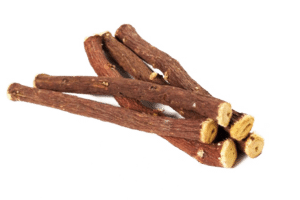
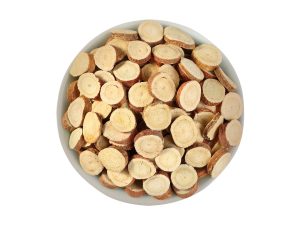
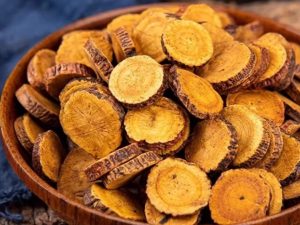
Take 3–5 grams of dried licorice root slices, brew with 200–300ml of boiling water, steep for 10–15 minutes and drink warm. It can be brewed repeatedly, with a daily maximum dosage of no more than 10 grams. Continuous use for 4–8 weeks can significantly improve mild hormonal imbalance symptoms, suitable for daily long-term mild conditioning.
Licorice Root Herbal Supplements
Standardized licorice root capsules or extracts with fixed active ingredient content are ideal for precise hormone conditioning. The recommended daily dose is 200–400mg of standardized licorice extract. Quantitative supplementation ensures stable hormone regulation effects and avoids ineffective low dosage or excessive intake risks.
Compound Herbal Blends
For severe hormonal disorders, licorice root can be compounded with hormone-regulating herbs including black cohosh, red clover and chasteberry. These formulas synergistically adjust multiple hormone levels, enhance endocrine balancing effects, and are suitable for obvious PMS symptoms, severe menopausal endocrine fluctuations and long-term hormonal imbalance.
4. Safety Rules & Contraindications for Hormonal Conditioning
Licorice root is effective for hormone balance, but improper dosage and long-term abuse will trigger physical discomfort and counteract endocrine conditioning. Strictly follow the safety guidelines below:
Avoid Long-Term High-Dose Continuous Use
Excessive glycyrrhizic acid intake disrupts electrolyte balance, causing water-sodium retention, elevated blood pressure, hypokalemia and edema. For hormone conditioning, continuous use should not exceed 3 months. The intermittent cycle of 1 month on, 2 weeks off is recommended to ensure safe and sustainable endocrine regulation.
High-Risk Groups (No Use or Cautious Use)
- Hypertension, heart and kidney disease patients: Licorice may cause water-sodium retention and elevated blood pressure, aggravating underlying conditions, so use is prohibited.
- Hormone-sensitive condition patients: Those with breast cancer, ovarian cysts, uterine fibroids and endometriosis are prohibited from use. Phytoestrogens may stimulate the growth of hormone-dependent lesions.
- Pregnant and breastfeeding women: Strictly prohibited to avoid hormonal effects on the fetus and infant.
- Diabetic patients: Licorice contains natural sugar components, which may affect blood sugar stability, requiring cautious use and dosage control.
Drug Interaction Warnings
Licorice root interacts with antihypertensive drugs, diuretics, cardiac glycosides and hormone medications, which may reduce drug efficacy or induce adverse reactions. Individuals on long-term prescription drugs must consult a physician before using licorice root for hormone conditioning.
5. Scientific Evidence for Hormone-Balancing Effects
Clinical and phytological studies confirm that standardized licorice root extract can effectively regulate serum estrogen, progesterone and cortisol levels, improving mild to moderate hormonal imbalance. For menopausal women, it reduces hot flash frequency by 30%–50% by stabilizing endocrine levels; for premenopausal women, it relieves PMS symptoms caused by estrogen-progesterone imbalance. However, it cannot replace professional medical treatment for severe hormonal disorders, polycystic ovary syndrome (PCOS) or pathological endocrine diseases.
Final Summary
Licorice root is a natural, mild bidirectional hormone regulator, balancing endocrine levels by adjusting estrogen activity, stabilizing cortisol and reducing inflammatory damage. It is ideal for daily conditioning of mild hormonal imbalance, PMS discomfort and menopausal endocrine fluctuations. The core of safe and effective use lies incontrolled dosage, intermittent use and avoidance of contraindicated groups. For severe pathological hormonal disorders, professional medical diagnosis and standardized treatment should be prioritized, with licorice root used only as an adjuvant conditioning method under medical guidance.




Great article! I’ve been dealing with hot flashes and mood swings for a few months now,
Great article! I’ve been dealing with hormonal shifts during perimenopause, and licorice root keeps coming up in my research. It’s reassuring to see the mechanisms explained so clearly, not just anecdotal claims. I appreciate the safety warnings too—dosage really matters. Have you found it more effective combined with other adaptogens, or on its own?
यह लेख बहुत उपयोगी है। हार्मोनल असंतुलन की समस्या आजकल आम हो गई है, खासकर महिलाओं में