
Gastrodia elata (Tianma) is a classic medicinal herb that calms liver wind and protects the brain. Its characteristic active substances gastrodin, parishin, vanillyl alcohol and gastrodia polysaccharides can penetrate the blood-brain barrier, inhibit abnormal activation of microglia, cut the release of pro-inflammatory factors, relieve chronic neuroinflammation, and form neuroprotective effects without cytotoxicity. This paper systematically expounds its anti-neuroinflammation value, applicable populations, dual TCM & modern pharmacological mechanisms, preparations, contraindications and dietary regimens.
1 Core Benefits of Inhibiting Neuroinflammation
- Suppress microglial overactivation in the brain Prevent resting microglia from being abnormally stimulated into inflammatory phenotype, cut off the source of continuous neuroinflammation fundamentally.
- Downregulate pro-inflammatory cytokines Reduce the secretion of TNF-α, IL‑1β, IL‑6 and other inflammatory mediators inside the central nervous system, lessen inflammatory erosion of neurons and synapses.
- Alleviate inflammatory brain fog & cognitive impairment Eliminate chronic low-grade brain inflammation induced by staying up late, stress and fatigue, improve sluggish thinking, poor concentration and forgetfulness caused by neuroinflammation.
- Slow progression of neurodegenerative diseases Relieve inflammatory damage to dopaminergic neurons in Parkinson’s disease, protect hippocampal neurons, delay mild cognitive impairment and early dementia development.
- Reduce post-stroke secondary neuroinflammation Inhibit inflammatory cascade reaction after cerebral ischemia, avoid secondary neuronal necrosis caused by inflammation and relieve limb numbness sequelae.
- Improve inflammation-induced emotional disorders Reduce inflammation in the amygdala and limbic system, relieve anxiety, irritability and mood swings triggered by neuroinflammation.
- Protect the blood-brain barrier integrity Prevent inflammatory factors from destroying blood-brain barrier tight junctions, reduce peripheral harmful substances from infiltrating brain tissue and avoid recurrent inflammatory stimulation.
2 Suitable & Unsuitable Populations
2.1 Suitable Groups
- Office workers, intellectuals and students with long-term brain overuse, chronic fatigue and inflammatory brain fog.
- Middle-aged and elderly people who want to prevent brain aging and neuroinflammation-induced cognitive decline.
- Rehabilitation patients after ischemic stroke, to improve secondary neuroinflammation and limb paresthesia.
- Mild Parkinson’s patients, epilepsy patients, used for adjuvant anti-inflammation and neuroprotection.
- People with long-term anxiety, irritability and insomnia driven by chronic neuroinflammation.
- Perimenopausal populations with recurrent dizziness, emotional outbursts and cognitive decline.
- Sub-health crowds who stay up late frequently and suffer continuous nervous tension.
2.2 Unsuitable Groups
- Acute hemorrhagic cerebral hemorrhage patients within 4 weeks: anti-inflammatory and vasodilating effects may interfere with hemostasis, prohibited before physician’s approval.
- Severe hypotension patients: vascular dilation may lead to dizziness, fatigue and falls.
- Pregnant women, infants under 6 years old, individuals with confirmed gastrodia allergy.
- People with chronic spleen deficiency and persistent diarrhea: long-term consumption may aggravate loose stool.
- Severe autoimmune encephalitis patients: gastrodia can only serve auxiliary care and cannot replace clinical anti-inflammatory and immunotherapy.
3 Anti-Neuroinflammation Mechanisms
3.1 Traditional Chinese Medicine Mechanism
In TCM theory, neuroinflammation belongs to liver wind flaming upward, fire-heat disturbing the brain orifices.
Long-term stress, emotional stagnation and irregular sleep cause liver qi stagnation transforming into fire, liver wind ascends and accumulates heat in the brain collaterals; heat toxin stagnates inside the brain, equivalent to inflammatory pathological state, burning brain marrow and nerve collaterals, resulting in brain fog, tremors, emotional restlessness and cognitive decline.
Gastrodia elata acts on the liver meridian, calms liver yang, extinguishes liver wind, clears hidden fire-heat in cranial collaterals, removes inflammatory pathogenic factors accumulated in the brain. When wind-fire is eliminated, brain collaterals are unobstructed, inflammation subsides naturally, and neurons stop being damaged continuously.
3.2 Modern Pharmacological Mechanism
- Inhibit microglia polarization Gastrodin inhibits microglia from transforming into pro-inflammatory M1 type, promotes transformation into anti-inflammatory M2 phenotype, stops the sustained inflammatory response in brain tissue.
- Block inflammatory signaling pathways Suppress NF‑κB signaling pathway (the core pathway inducing neuroinflammation), reduce gene expression of inflammatory factors and curb inflammatory amplification reactions.
- Pass through blood-brain barrier smoothly Small-molecule gastrodin can cross the blood-brain barrier efficiently and directly act on inflammatory lesions inside the brain, unlike peripheral anti-inflammatory ingredients that hardly enter the central nervous system.
- Combine anti-inflammation and anti-oxidation Gastrodia polysaccharides eliminate reactive oxygen species in brain tissue, reduce oxidative stress that induces inflammation, form a synergistic protective effect of anti-oxidation + anti-neuroinflammation.
- Repair damaged synapses after inflammation subsides After inflammation is controlled, promote synaptic remodeling in the hippocampus and cerebral cortex, help restore memory and cognitive function damaged by inflammation.
- Reduce neuroinflammation caused by stress hormones Lower excessive cortisol levels induced by stress, avoid high cortisol stimulating microglial activation and prevent stress-triggered recurrent neuroinflammation.
4 Common Preparations for Anti-Neuroinflammatory Brain Care
4.1 Proprietary Chinese Medicines
- Gastrodin Tablets / Capsules Basic daily anti-neuroinflammation neuroprotective preparation, widely used to improve brain fatigue, inflammatory brain fog and emotional irritability.
- Tianma Gouteng Granules For people with liver-yang hyperactivity, hypertension, dizziness and inflammation-induced emotional agitation.
- Compound gastrodia & polygala formula (TCM prescription only) Combined with nerve-nourishing herbs, applied for cognitive decline caused by long-term neuroinflammation.
4.2 Raw medicinal materials for daily maintenance
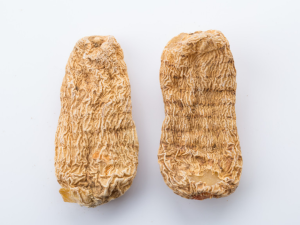
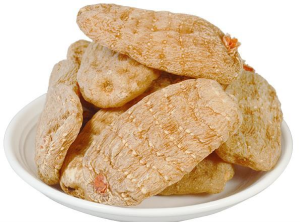
- Dried gastrodia slices: brew tea or stew soup for long-term mild anti-inflammatory conditioning.
- Ultrafine gastrodia powder for oral administration; daily safe dosage: 1 g ~ 1.5 g.
5 Safety Rules & Usage Cautions
- Standard dosage Daily health dosage: dried Gastrodia elata 3–10 g for tea or soup; gastrodia powder 1–1.5 g per day. Doses exceeding 40 g may cause fatigue, dizziness and gastrointestinal discomfort.
- Cooking requirement Gastrodin is heat-labile; add gastrodia to soup in the last 10–15 minutes of simmering to retain active ingredients, avoid prolonged boiling.
- Drug combination precautions When combined with nonsteroidal anti-inflammatory drugs, anti-anxiety medicines or hypotensive agents, adjust dosage under medical guidance to avoid superimposed side effects. Do not take together with Cynanchum paniculatum due to herbal incompatibility.
- Intermittent administration Do not take continuously for more than 2 weeks, pause for 3–5 days afterwards to maintain the brain’s inherent immune balance and avoid passive dependence.
- Functional limitation Gastrodia relieves chronic mild neuroinflammation and performs neuroprotection, but cannot treat severe viral encephalitis, autoimmune encephalitis and other acute inflammatory brain diseases. Persistent cognitive deterioration requires hospital neurological examination.
- Allergy test Allergy-prone people take 0.5 g gastrodia powder for sensitivity test before formal use.
6 Anti-Inflammatory Brain-Care Herbal Tea & Medicinal Diet
6.1 Gastrodia Chrysanthemum Anti-Inflammatory Tea (Daily office drink)
Ingredients: Gastrodia slices 3 g, chrysanthemum 2 g, wolfberry 5 g
Method: Brew with boiling water, steep for 20 minutes, repeatedly add hot water for daytime drinking.
Efficacy: Clear liver heat, suppress mild brain inflammation, relieve inflammatory brain fog and eye fatigue.
6.2 Gastrodia Lily Calming Tea (For inflammation-induced anxious insomnia)
Ingredients: Gastrodia 3 g, dried lily 5 g, spiny date seed 4 g
Method: Brew in a thermos, drink one hour before sleep every night.
Efficacy: Reduce limbic neuroinflammation, stabilize mood and improve sleep quality damaged by brain inflammation.
6.3 Gastrodia Walnut Steamed Egg (Breakfast neuroprotection)
Ingredients: Gastrodia 5 g, walnut kernel 1 piece, 1 egg
Method: Decoct gastrodia for 15 minutes and filter the liquid, mix walnut and egg liquid with decoction then steam thoroughly, eat every other day.
Efficacy: Inhibit chronic neuroinflammation in the hippocampus, protect memory function.
6.4 Gastrodia Lotus Seed Lean Pork Soup (Weekly maintenance diet)
Ingredients: Gastrodia 7 g, lotus seed 15 g, lean pork 200 g, ginger 2 slices
Method: Simmer lean pork for 40 minutes, add gastrodia and lotus seeds in the final 15 minutes, season with a little salt, eat twice weekly.
Efficacy: Clear hidden heat in brain collaterals, reduce low-grade neuroinflammation caused by long-term stress.
7 Conclusion
Gastrodia elata achieves anti-neuroinflammatory effects through two systems: TCM theory of calming liver wind and clearing heat from brain collaterals, and modern pharmacological pathways including inhibiting microglial activation, blocking NF‑κB inflammatory pathway and penetrating the blood-brain barrier. It targets the root cause of chronic neuroinflammation, protects neurons from inflammatory erosion, and further improves brain fog, mood disorders, cognitive aging and neurological sequelae triggered by neuroinflammation.
Unlike chemical anti-inflammatory medicines that easily damage the liver and suppress central nerves, gastrodia features mild action and high safety for long-term intermittent maintenance. It should be noted that gastrodia is only a natural auxiliary anti-inflammatory nutritional herb rather than a clinical anti-inflammatory drug. For crowds exposed to high stress, staying up late frequently and middle-aged groups preventing brain aging, cooperating with regular sleep, stress relief and aerobic exercise while taking gastrodia can effectively reduce the level of chronic neuroinflammation in the brain, maintain long-term nervous system health and delay degenerative brain changes.


Interessante! Sempre ouvi falar do Tian
Очень интересная статья! Давно слышала о тиан
Que interessante! Sempre ouvi falar da Tianma na medicina tradicional, mas não sabia que seus compostos conseguem atravessar a barreira hematoencefálica e agir direto na neuroinflamação. Com o aumento de casos de doenças neurodegenerativas, é animador ver a ciência confirmando o potencial de plantas como essa. Será que já existem estudos clínicos em humanos
Interesting read! I’ve been using Tianma in traditional formulas for years, but it’s great to see modern science backing up its brain benefits. The fact that gastrodin can cross the blood-brain barrier and calm microglia is a big deal—chronic neuroinflammation is such a silent issue. Would love to see more clinical trials on this. Thanks for sharing!
Interesting stuff! It’s great to see traditional herbs like Tianma getting scientific backing. The