
Astragalus root for colds is one of the most well-established traditional uses of this popular adaptogen. Common colds stem from hundreds of different respiratory viruses, triggered when immune defenses weaken. Many people battle recurring seasonal colds, lingering congestion, fatigue, and slow recovery once symptoms set in. Unlike decongestants that only mask symptoms, astragalus works by reinforcing your baseline immune resilience. In Traditional Chinese Medicine, it has long been used to strengthen the body’s outer defensive barrier to reduce cold frequency, while modern research validates its ability to modulate respiratory immunity, ease inflammation, and support recovery after cold symptoms fade.
Traditional TCM Perspective: Astragalus Strengthens Wei Qi Against Colds
Within Traditional Chinese Medicine, recurring colds signal weak Wei Qi — the protective energy that guards the skin, sinuses, and respiratory tract. When Wei Qi is deficient, external pathogenic factors easily invade, leading to frequent chills, runny nose, cough and colds.
Astragalus is the primary herb for tonifying Wei Qi. Importantly, classical herbal practice distinguishes usage timing:
- Preventative phase: Ideal to take daily before cold/flu season to build defenses.
- Active acute cold with fever: Many practitioners recommend pausing astragalus. Its tonifying nature may trap congestion and heat inside the body while infection is acute.
- Recovery phase: Perfect for use once fever clears, to restore energy and prevent the cold from dragging on or recurring quickly.
Scientific Mechanisms: How Astragalus Supports Cold Resistance
1. Boosts Innate Immune Cells to Fend Off Respiratory Viruses
Astragalus polysaccharides (APS) stimulate natural killer cells, macrophages and dendritic cells — frontline immune cells that detect and neutralize cold-causing viruses. Stronger innate immunity helps intercept pathogens early, lowering the chance of catching colds or reducing symptom severity.
2. Protects the Respiratory Tract Lining
The mucosal lining of nose, throat and lungs acts as your first physical barrier against cold viruses. Oxidative stress and inflammation damage this barrier. Astragalosides deliver antioxidant protection to airway tissue, maintaining mucosal integrity so viruses have a harder time taking hold.
3. Calms Excessive Airway Inflammation
Cold infections trigger local inflammation that leads to sore throat, nasal swelling and cough. Astragalus modulates inflammatory cytokine activity. It eases irritated respiratory tissue without harsh suppression, supporting comfortable recovery after a cold.
4. Reduces Post-Cold Fatigue & Lingering Symptoms
Many people suffer from persistent tiredness, mild cough and low energy weeks after cold symptoms resolve. Astragalus replenishes depleted energy reserves, balances immune function, and speeds tissue repair to clear lingering post-cold discomfort.
Who Benefits From Astragalus Root for Cold Support
- People prone to frequent seasonal colds every fall and winter
- Anyone whose colds drag on for weeks with lingering fatigue
- Those exposed to crowded offices, schools and public spaces with high virus exposure
- Individuals who feel run down and catch colds easily after stress or poor sleep
- People recovering from a cold who want to avoid immediate secondary infections
Critical Usage Guidelines
- Preventative use works best: Astragalus is far more effective at lowering cold susceptibility when taken consistently before exposure, rather than as emergency treatment once severe symptoms appear.
- Timing rule of thumb: Pause supplementation during acute cold accompanied by fever, thick yellow mucus and active chest congestion. Resume once fever resolves.
- Not a replacement for rest, hydration and standard medical care. Seek medical attention if colds progress into sinus infections, bronchitis or persistent high fever.
- Cyclic intake: Take daily for 6–8 weeks, followed by a 1-week break to avoid immune desensitization.
- It cannot guarantee you will never get a cold, but many users notice fewer infections and milder, shorter episodes.
How To Use Astragalus for Cold Support
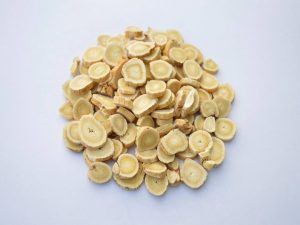
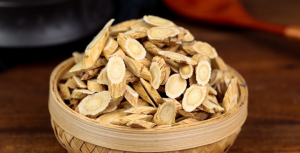
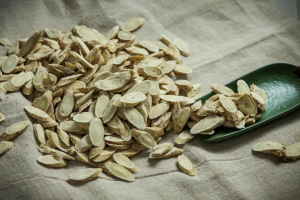
Slow-simmered astragalus root tea is the classic daily preventative method. Simmer dried root slices for 15–25 minutes to extract active polysaccharides.
Standardized astragalus capsules offer consistent, convenient daily dosing for busy schedules.
Popular herbal pairings for seasonal immune support: astragalus + elderberry, astragalus + licorice root, astragalus + reishi mushroom.
Final Thoughts
Astragalus root for colds delivers long-term immune protection rather than instant symptom relief. By strengthening respiratory mucosal barriers and activating innate immune defenses, astragalus helps reduce how often you catch colds and supports faster, more complete recovery. Combined with sufficient sleep, balanced nutrition and regular hand hygiene, astragalus is a foundational herbal choice for seasonal respiratory wellness.
Structured FAQ Section
Q1: Should I take astragalus at the first sign of a cold?
A: Usage depends on your symptoms. If you only have mild sniffles with no fever, some people tolerate it. Most traditional herbalists recommend stopping astragalus if you develop fever, thick yellow phlegm or acute sinus congestion during a cold, as it may trap internal congestion. It is safest for prevention and post-cold recovery.
Q2: Can astragalus shorten how long a cold lasts?
A: When used after the acute fever stage, astragalus supports immune function and tissue repair, which may prevent symptoms from lingering. It is less effective once a full-blown acute cold has already set in.
Q3: How long do I need to take astragalus to prevent colds?
A: Immune benefits build gradually. Consistent daily intake for 3–4 weeks is usually needed to build up defensive support. Use cyclically throughout cold and flu season for best results.
Q4: Is astragalus safe for children to prevent colds?
A: Dosage must be significantly reduced for children. Always consult a pediatric herbalist or healthcare provider before giving astragalus to kids. Self-administration is not recommended.
Q5: Can I combine astragalus with vitamin C or zinc for cold support?
A: Yes, most combinations are well-tolerated. Astragalus supports whole-body immune resilience, while vitamin C and zinc provide complementary antioxidant immune support. Stick to recommended dosages for each supplement.
Q6: Who should avoid astragalus for cold prevention?
A: People with active autoimmune disorders, pregnant or breastfeeding women should consult a doctor first. Discontinue use during acute febrile illness and before scheduled surgery.
Q7: What is the difference between astragalus and elderberry for colds?
A: Elderberry is commonly used during active viral symptoms. Astragalus focuses primarily on building long-term immune defense to prevent colds and aid recovery; they work well together in seasonal immune protocols.

مقال رائع! فعلاً جذور القتاد من أفضل الأعشاب لتقوية المناعة، خصوصاً مع تغير الفصول. أنا شخصياً أستخدمه كعلاج وقائي قبل الشتاء، ولاحظت فرق كبير في عدد نزلات البرد. شكراً على المعلومات المفيدة، سأشارك هذا مع أصدقائي!
Interesting read! I’ve been using astragalus in my winter tea blend for a couple of years now, and I honestly feel like I bounce back faster when I do catch something. Nice to see the traditional use backed up with some explanation—not just another decongestant quick fix. Anyone else tried it for seasonal immune