
Persistent bloating after meals and lack of appetite are extremely common digestive complaints. Many people experience abdominal fullness, heaviness, and little desire to eat, even after long gaps between meals. While quick-acting carminative herbs can temporarily expel gas, they do not address the underlying weak digestive energy that keeps bloating and poor appetite recurring. Astragalus works as a long-term tonic to rebuild core digestive function for sustained relief.
Important Disclaimer: Astragalus offers complementary herbal support. It is not a fast remedy for acute bloating caused by food poisoning, infections, SIBO flare-ups or severe gastrointestinal disease. Seek professional medical care if symptoms are chronic and disruptive.
Traditional TCM Perspective
Recurring bloating and poor appetite are hallmark signs of Spleen Qi Deficiency.
When the Spleen lacks sufficient qi, it cannot properly transform and transport food. Undigested nutrients accumulate, creating internal dampness and digestive stagnation. This manifests as:
- Abdominal bloating that worsens after eating
- Early satiety, feeling full quickly with small meals
- Lack of appetite
- Heaviness in the abdomen
- Loose or unformed stools
- Post-meal tiredness
Astragalus tonifies and lifts Spleen Qi. As Spleen function strengthens, damp stagnation gradually clears, food is processed efficiently, bloating lessens, and healthy appetite returns naturally.
Scientific Mechanisms: How Astragalus Eases Bloating and Low Appetite
1. Improves Intestinal Barrier Health
Weak gut lining contributes to inflammation and abnormal gas production. Astragalus polysaccharides support epithelial cell integrity, lowering inflammatory irritation that disrupts normal digestion.
2. Balances the Gut Microbiome
Astragalus acts as a prebiotic, feeding beneficial bacteria. A balanced microbiome reduces excessive fermentation, which is a major cause of trapped gas and abdominal bloating.
3. Reduces Chronic Low-Grade Gut Inflammation
Persistent mild intestinal inflammation suppresses appetite and slows motility. Active compounds in astragalus modulate inflammatory cytokines to calm gut irritation.
4. Enhances Nutrient Absorption
Poor absorption creates a cycle of low energy and diminished appetite. By supporting mucosal repair, astragalus helps the body extract nutrition from meals, gradually restoring healthy hunger signals.
5. Improves Gut-Immune Balance
Stress, past infections and immune imbalance often weaken digestion. Astragalus reduces whole-body immune burden, removing one common stressor that suppresses Spleen function and appetite.
Signs You May Benefit From Astragalus for Bloating and Poor Appetite
- Bloating that consistently appears shortly after eating
- Feel full rapidly, struggle to finish regular meals
- Little natural hunger, loss of appetite lasting weeks
- Abdominal heaviness and sluggish digestion
- Tiredness that intensifies following meals
- Loose stools alongside low energy
Critical Safety Guidelines
- Do not use astragalus during acute bloating flares caused by severe indigestion, diarrhoea or acute inflammation.
- If you have diagnosed SIBO, consult a gut health practitioner before starting long-term use. Prebiotic polysaccharides may temporarily worsen gas for sensitive individuals.
- Cyclic intake schedule: Take daily for 6–8 weeks, followed by a 7-day break.
- Start at a low dose; some users experience mild temporary gas as gut flora adjust.
- Best results occur alongside easily digestible meals, avoiding cold, raw and overly damp-forming foods.
How to Use Astragalus Root for Bloating and Low Appetite
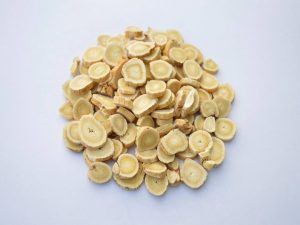
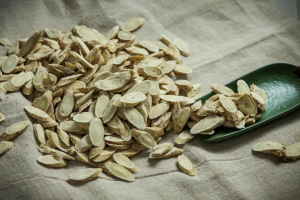
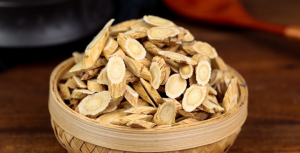
Decocted astragalus tea: Simmer dried astragalus root slices for 20–30 minutes. Daily consumption strengthens Spleen Qi over time.
Standardized astragalus extracts deliver consistent levels of polysaccharides for reliable daily support.
Synergistic herbal blends for bloating & poor appetite: astragalus + codonopsis, astragalus + ginger.
Final Thoughts
Astragalus root for bloating poor appetite targets the root cause — weakened Spleen Qi and digestive stagnation. Unlike gas-relieving herbs that only offer temporary comfort, astragalus rebuilds long-term digestive capacity. With consistent use alongside gentle dietary adjustments, it helps reduce post-meal bloating, eliminate abdominal heaviness and recover a balanced, healthy appetite.
Q1: Will astragalus relieve bloating immediately after one dose?
A: No. Astragalus is a slow-acting qi tonic, not an instant anti-gas remedy. Improvements in bloating and appetite typically emerge after several weeks of steady daily use.
Q2: Could astragalus initially make bloating worse?
A: A small number of people experience temporary mild gas because its polysaccharides feed gut bacteria. Begin with a reduced dosage and slowly increase to minimise discomfort.
Q3: Should I take astragalus before or after meals for appetite and bloating?
A: Most herbal protocols recommend consuming between meals on an empty stomach to maximise absorption and support Spleen tonification.
Q4: What is the difference between astragalus and fennel for bloating?
A: Fennel quickly relaxes intestinal muscles and expels existing gas for fast relief. Astragalus strengthens Spleen Qi to prevent bloating from recurring long-term. They can be combined.
Q5: Can astragalus help poor appetite caused by post-viral recovery?
A: Yes. Viral illness often depletes Spleen Qi, leading to loss of appetite and bloating during recovery. Astragalus is well-suited to rebuild digestive energy after sickness.
Q6: Who should avoid astragalus for bloating and appetite support?
A: Anyone with active acute gut inflammation, SIBO without professional oversight, pregnant and breastfeeding people, and those with autoimmune digestive conditions should seek medical advice first.
Q7: Can dietary choices enhance astragalus effects on digestion?
A: Yes. Reducing cold raw foods, excessive sugar and heavy greasy meals lowers dampness burden, allowing astragalus to strengthen Spleen function more effectively.

Interesting take! I’ve tried all the usual carminative teas for bloating, but they only gave short-term relief. The idea of addressing “weak digestive energy” with astragalus makes so much sense—I’ve been dealing with low appetite and that heavy feeling for months. Has anyone tried combining it with ginger or licorice, or is it best taken alone? Would love to hear