
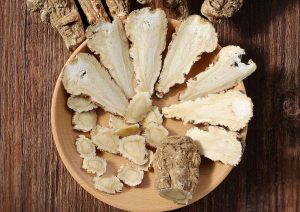
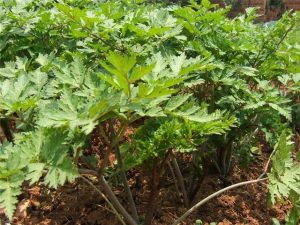
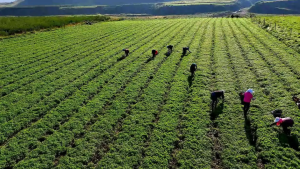
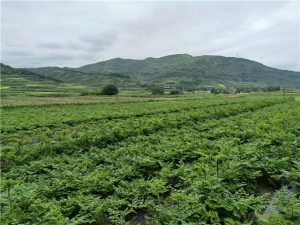
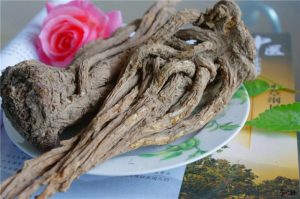
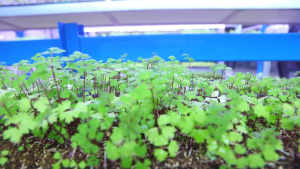
Dong Quai (Angelica sinensis) is widely used to relieve chronically cold extremities caused by sluggish blood circulation and blood deficiency, a very common complaint among women. Persistently cold hands and feet often worsen in winter, before menstruation, or during fatigue.
Core Mechanisms
- Boost peripheral microcirculation Ligustilide, the key active constituent, dilates small blood vessels and improves blood flow to distal extremities (hands, feet). When circulation is stagnant, oxygen and warmth cannot reach limbs efficiently, creating the constant cold sensation. Dong quai relieves vascular stagnation.
- Tonify blood to supply peripheral tissues In TCM theory, cold limbs frequently stem from blood deficiency combined with blood stasis: insufficient blood volume cannot fill distant capillaries. Dong quai replenishes blood while moving stagnation — addressing both the lack of blood and blocked flow at the same time.
- Warm and unblock pelvic & systemic circulation Many women with cold hands/feet also suffer cold lower abdomen, menstrual cramping and clotty periods. Improved pelvic circulation reduces overall bodily cold congestion, which indirectly improves extremity warmth.
- Reduce vasospasm It exerts mild antispasmodic effects on smooth muscle within blood vessels. Tendency toward small vessel constriction contributes to easily chilled hands and feet, especially under stress or low temperatures.
Suitable Symptom Profiles
✅ Most likely to see improvement
- Chronically cold hands and feet year-round or worsening in cold weather; skin turns pale or bluish when chilled.
- Cold extremities accompanied by fatigue, pale complexion, dizziness, dry skin (classic blood deficiency signs).
- Cold limbs that flare up premenstrually, paired with painful periods, dark clotty menstrual blood.
- Postpartum weakness, prolonged fatigue with persistent cold extremities.
- Poor circulation linked to sedentary lifestyle and stress-induced stagnation.
❌ Scenarios with limited benefit or need caution
- Cold hands/feet caused by hypothyroidism, Raynaud’s syndrome, autoimmune disorders: Dong quai only offers mild symptom relief and cannot replace targeted medical treatment.
- People prone to hot flashes, constant internal heat and dry constipation (yin-deficient heat pattern) — unsupervised long-term use may aggravate heat symptoms.
- Active heavy menstrual bleeding. Blood-moving properties may increase flow.
- Pregnancy: strictly avoid.
Usage Protocol
Standard Dosage
Dried Dong quai: 2–3 g daily. Slow-cooked soup is gentler and better tolerated than concentrated tinctures.
Dosing schedule for cycling women
- Follicular phase (after menstruation finishes): daily intake to build blood and improve circulation.
- Menstruation: pause if flow is moderate or heavy; tiny dose only allowed for first 1–2 days if flow is scanty and dark with clots.
Effective herbal blends for cold extremities
- Cold hands & feet + menstrual cold pain: Dong quai + Fresh Ginger + Red Jujube
- Cold limbs + severe fatigue, blood deficiency: Dong quai + Astragalus
- Cold extremities + mood stagnation, stress: Dong quai + Rose buds
Complementary lifestyle tips
- Pair herbal support with regular light exercise (walking, stretching) to naturally boost circulation.
- Wear warm socks; avoid long exposure to cold air and cold drinks.
- Soak feet in warm water nightly to amplify peripheral blood flow.
Contraindications & Safety Warnings
- Anticoagulant medications (warfarin, regular high-dose aspirin): avoid due to higher bleeding risk.
- Chronic diarrhea: Dong quai has mild laxative action; lower dosage or take less frequently.
- If you develop warmer flushes or loose stools after starting, reduce dosage.
- If cold extremities are accompanied by numbness, colour changes and severe pain, visit a doctor to rule out vascular or autoimmune disease.
Expected Timeline
Improved warmth in hands and feet can often be noticed within 2–4 weeks of consistent cyclic use. More stable circulation with less easy chilling typically requires 6–8 weeks of continuous herbal support plus lifestyle adjustments.
Summary
Dong quai improves chronically cold hands and feet by boosting peripheral circulation, nourishing blood and clearing stagnation. It works best for women whose cold extremities coincide with blood deficiency, fatigue and menstrual stagnation. Combine with gentle movement and warmth habits for maximum results.
Sehr interessant! Ich leide selbst oft unter kalten Händen und Füßen, besonders im Winter. Gut zu wissen, dass Dong Quai helfen kann. Ich wusste nicht, dass es die Durchblutung so gezielt fördert. Werde ich mir mal genauer anschauen, vielleicht in Kombination mit mehr Bewegung. Danke für den ausführlichen Artikel!