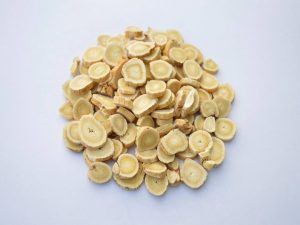
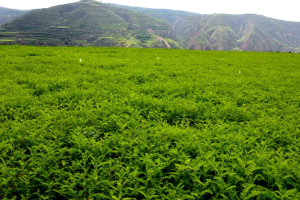
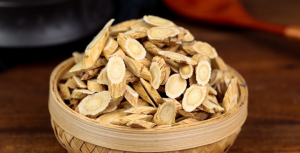
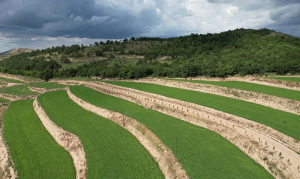
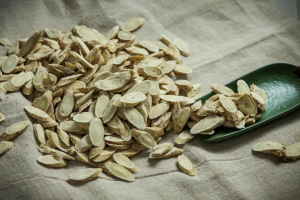
Chronic mild joint pain, morning stiffness, creaking and limited mobility stem almost universally from persistent low-grade systemic inflammation, poor circulation to joint cartilage, oxidative damage to connective tissue and immune imbalance. While topical creams and NSAIDs offer short-term pain masking, astragalus root addresses the internal inflammatory and circulatory root causes of recurring joint discomfort for long-term mobility support.
Important Disclaimer: Astragalus provides complementary joint support and cannot replace prescription anti-inflammatory medication, physical therapy or orthopedic care for severe degenerative arthritis, joint injuries or autoimmune joint disorders like rheumatoid arthritis. Severe joint swelling, deformity or disabling pain requires specialist medical care.
TCM View of Joint Discomfort
In Traditional Chinese Medicine, joint stiffness and pain arise from two primary imbalances: Spleen Qi deficiency leading to internal dampness accumulation, and blocked blood circulation to the tendons and joints. Dampness stagnates within joint spaces, creating persistent swelling, cold stiffness and aching pain. Astragalus tonifies Spleen Qi to clear internal damp stagnation and boosts peripheral blood flow to deliver nutrient-rich blood to cartilage, ligaments and joint tissue, reducing stiffness and aching long-term.
Scientific Mechanisms Relieving Joint Pain
1. Suppress Systemic Inflammation That Irritates Joint Tissue
Pro-inflammatory cytokines circulate throughout the body and erode joint cartilage, triggering aching and swelling. Astragalus polysaccharides downregulate these inflammatory markers, lowering baseline joint irritation at its systemic source rather than only masking surface pain.
2. Boost Peripheral Circulation to Stiff Joints
Sluggish blood flow limits oxygen and nutrient delivery to cartilage and synovial fluid, worsening morning stiffness and cold joint aching. Astragalus dilates small peripheral blood vessels, improving nutrient exchange within joint spaces to reduce creaking and tightness.
3. Antioxidant Protection for Cartilage & Connective Tissue
Free radicals break down collagen-rich joint cartilage over time, accelerating degenerative wear. Astragalosides neutralize oxidative stress within connective tissue, slowing cartilage degradation and preserving joint cushioning.
4. Modulate Immune Activity for Mild Autoimmune Joint Sensitivity
Mild immune overactivity can trigger recurring joint tenderness. Astragalus acts as an immune modulator, balancing excessive inflammatory immune response without fully suppressing protective immune function.
5. Speed Post-Activity Joint Recovery
Exercise-induced inflammation creates delayed joint stiffness and soreness after workouts. Regular astragalus intake reduces post-exercise inflammatory spikes, cutting recovery time and improving consistent mobility for active users.
Joint Concerns That Respond to Astragalus Support
- Morning joint stiffness lasting 30+ minutes after waking
- Mild persistent aching in knees, hips, wrists and shoulders
- Post-workout joint soreness and creaking cartilage
- Cold-weather joint aggravation linked to poor circulation
- Mild inflammatory joint tenderness from low-grade systemic inflammation
Critical Safety Guidelines
- Joint mobility improvements require 3–5 weeks of consistent daily cyclic supplementation (6–8 weeks on, 1 week off) to reduce baseline inflammatory joint discomfort.
- If you take prescription anti-arthritis or immunosuppressant drugs, consult your rheumatologist before adding astragalus to avoid immune interaction risks.
- Astragalus cannot reverse advanced cartilage loss or joint deformity from severe osteoarthritis or rheumatoid arthritis.
- Pair joint support with gentle low-impact movement, omega-3 fatty acids and adequate protein to support cartilage repair alongside herbal anti-inflammatory effects.
How to Use Astragalus Root for Joint Pain Relief
- Daily simmered astragalus tea to lower systemic inflammation and boost peripheral joint circulation.
- Standardized oral extracts with quantified astragalus polysaccharides for consistent daily anti-inflammatory joint support.
- Synergistic herbal joint blends: astragalus + turmeric/curcumin, astragalus + boswellia.
Final Thoughts
Astragalus root joint pain support targets the systemic inflammation and poor circulation that drive recurring stiffness and aching joints. Unlike fast-acting pain relievers that only temporarily block discomfort signals, astragalus creates lasting improvements in mobility by clearing internal damp stagnation, protecting cartilage from oxidative wear and improving nutrient flow to joint tissue. When combined with movement and anti-inflammatory nutrition, it delivers gentle long-term relief from mild chronic joint discomfort.
Q1: Can astragalus eliminate severe arthritis joint pain?
A: It reduces mild to moderate inflammatory aching and morning stiffness as complementary support, but it cannot replace prescription medication for severe degenerative or autoimmune arthritis.
Q2: How long until morning joint stiffness eases with astragalus supplementation?
A: Most users report shorter morning stiffness duration after 3 weeks of consistent daily intake; measurable reduction in daily joint aching appears after 4–5 weeks.
Q3: Does astragalus work alongside curcumin/turmeric for joint support?
A: Yes, they create powerful synergistic anti-inflammatory effects: curcumin targets localized joint inflammation, while astragalus lowers whole-body systemic inflammatory burden.
Q4: Can active athletes use astragalus to reduce post-training joint soreness?
A: Absolutely. It blunts exercise-induced inflammatory spikes, speeding joint recovery and reducing creaking stiffness after intense physical activity.
Q5: Does astragalus ease cold weather joint pain caused by poor circulation?
A: Yes, its peripheral vasodilating effects improve blood flow to cold, stiff joints, significantly reducing weather-triggered aching and tightness.
Q6: Are there side effects taking astragalus for joint discomfort?
A: Mild temporary digestive bloating may occur in new users due to prebiotic polysaccharides; start with a low dose and gradually increase over one week. No joint-related adverse reactions are reported.
Q7: How is astragalus different from NSAIDs for joint pain?
A: NSAIDs rapidly block local pain signals but carry digestive and cardiovascular side effects with long-term use. Astragalus lowers the root systemic inflammation driving joint discomfort gradually without harsh short-term side effects, used for long-term preventative mobility support.