Search for Herbal Teas Recipes by Symptom:

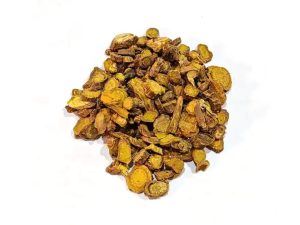
Tahuang

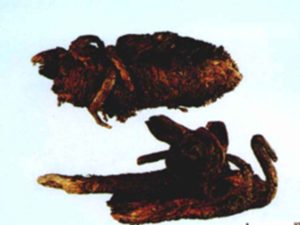
Ta Huang is the name of a traditional Chinese medicine. It is the rhizome of Rheum nobile Hook.f. et Thoms., a plant in the Polygonaceae family. It is produced in Milin and Lang counties, Tibet. It has the effects of clearing heat, promoting digestion, dispersing blood stasis, and reducing swelling.It is commonly used to treat constipation due to excess heat, delirium and mania, food stagnation and abdominal fullness, dysentery, jaundice caused by damp-heat, red eyes and headaches, amenorrhea, masses and tumors, and abscesses, boils, and carbuncles.

Red Yeast Rice

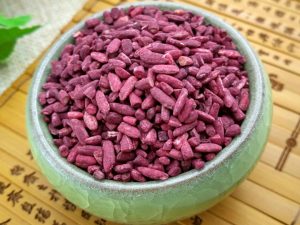
Red yeast rice is a commonly used medicinal herb for promoting blood circulation and dissipating blood stasis. It is produced when Monascus purpureus Went, a fungus of the Aspergillaceae family, parasitizes the seeds of the grass species Oryza sativa L. (rice), resulting in red yeast rice grains.It is primarily produced in Fujian. It has the effects of promoting blood circulation and dissipating blood stasis, strengthening the spleen and aiding digestion, and clearing turbidity and lowering lipids. It is commonly used to treat amenorrhea with abdominal pain, postpartum blood stasis, trauma, food stagnation, bloody or white diarrhea, and hyperlipidemia.

Scutellaria

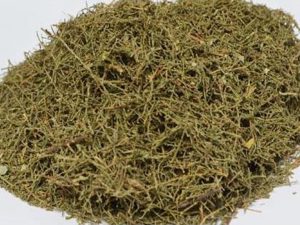
Scutellaria baicalensis, a traditional Chinese medicine. It is the dried root of Scutellaria baicalensis Georgi, a plant in the genus Scutellaria of the Lamiaceae family. It has the effects of clearing heat and drying dampness, purging fire and detoxifying, stopping bleeding, and stabilizing pregnancy.It is primarily used to treat damp-heat syndromes, summer-heat with dampness, chest tightness and nausea, damp-heat-induced epigastric fullness, diarrhea and dysentery, jaundice, cough due to lung heat, high fever with thirst, blood-heat-induced vomiting and nosebleeds, abscesses, swellings, and toxic sores, as well as fetal restlessness.

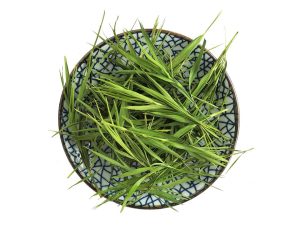
Lophatherum Leaves

Lophatherum gracile, a name in traditional Chinese medicine. It refers to the dried stems and leaves of Lophatherum gracile Brongn., a plant belonging to the genus Lophatherum in the Poaceae family. It has the effects of clearing heat and purging fire, relieving restlessness and quenching thirst, and promoting urination to relieve dysuria. It is primarily used to treat feverish illnesses accompanied by restlessness and thirst, scanty, red, painful, and difficult urination, and sores on the mouth and tongue.

Sphenopalatine Neuralgia (Sluder’s): Diagnosis, Acupuncture, and Nerve Block

**Sphenopalatine Neuralgia (Sluder’s Neuralgia)** Sphenopalatine neuralgia, also known as Sluder’s neuralgia, is characterized by severe pain in the distribution area of the sphenopalatine ganglion due to irritation of this structure. The sphenopalatine ganglion is primarily composed of sympathetic nerve fibers, which are distributed to the orbit, sphenoid sinus, ethmoid sinus, hard palate, soft palate, nasopharynx, … Read more
Acupuncture Treatment for Hypoglossal Nerve Palsy: Point Selection

Hypoglossal nerve palsy is a clinical syndrome characterized primarily by deviation of the tongue, retraction of the tongue, and dysarthria. The hypoglossal nerve is mainly composed of somatic efferent fibers and innervates both the intrinsic and extrinsic muscles of the tongue, including the styloglossus, hyoglossus, and genioglossus muscles. I. Etiology This condition is often triggered … Read more

Acupuncture for Vagus Nerve Paralysis: Causes, Diagnosis, and Treatment

Vagus nerve palsy is a clinical syndrome resulting from damage to the vagus nerve caused by various factors, leading to dysfunction or disorders of vocal cord movement, swallowing, heart rhythm, and other functions. The vagus nerve is the longest and most widely distributed mixed nerve in the human body, containing four types of nerve fibers: … Read more

Accessory Nerve Palsy: Diagnosis and Acupuncture Treatment

Accessory nerve palsy is a clinical syndrome caused by various factors such as irritation, involvement, or compression of the accessory nerve. The accessory nerve consists of a cranial root and a spinal root; it exits the cranial cavity through the jugular foramen and travels to the neck, where it innervates the sternocleidomastoid muscle and the … Read more

Electroacupuncture Treatment for Glossopharyngeal Nerve Palsy

Glossopharyngeal nerve paralysis is caused by various injuries to the glossopharyngeal nerve, leading to reduced or loss of sensory function within the area it innervates. Isolated glossopharyngeal nerve paralysis is extremely rare and usually occurs together with damage to other cranial nerves. The main causes of glossopharyngeal nerve paralysis include glossopharyngeal nerve transection, tonsillectomy, and, … Read more

Acupuncture Treatment for Glossopharyngeal Neuralgia

Glossopharyngeal neuralgia is a condition characterized by paroxysmal, recurrent, and severe pain localized within the distribution of the glossopharyngeal nerve and the auricular and pharyngeal branches of the vagus nerve. Its nature is similar to that of trigeminal neuralgia, but it is less common. The etiology remains unclear; it may be caused by nerve demyelination, … Read more

Acupuncture for Hemifacial Spasm: Effective Point Selection and Methods

Facial muscle twitching refers to paroxysmal, irregular, involuntary contractions of the muscles on one side or both sides of the face. It is also known as facial myoclonus or hemifacial spasm. The facial muscles, also called mimetic muscles, originate from the skull and insert into the facial skin. Their contractions produce various facial expressions, primarily … Read more

Facial Nerve Palsy: Acupuncture and Electroacupuncture Treatment

Facial nerve palsy is a loss of function in the area innervated by the facial nerve after it exits the skull. It is also known as Bell’s palsy, facial neuritis, or peripheral facial paralysis. The facial nerve (CN VII) is a mixed nerve. It exits the brainstem lateral to the abducens nerve (CN VI), enters … Read more

Abducens Nerve Palsy: Diagnosis and Acupuncture Treatment

Abducens nerve palsy refers to the syndrome of paralysis of the muscles innervated by the abducens nerve, caused by various etiologies that directly or indirectly affect or involve the nerve. The abducens nerve nucleus is located in the deep part of the facial colliculus at the floor of the fourth ventricle at the level of … Read more

Acupuncture and Nerve Block for Trigeminal Neuralgia

Trigeminal neuralgia refers to recurrent severe pain within the distribution and branching region of the trigeminal nerve. The trigeminal nerve arises from the base of the middle part of the pons. It contains both sensory and motor nerve fibers, with sensory fibers constituting the majority. It gives off three major branches from the trigeminal (semilunar) … Read more