Search for Herbal Teas Recipes by Symptom:

Reeves’s Pheasant

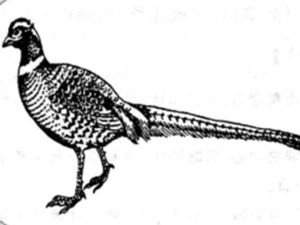
Reeves’s Pheasant, a name in traditional Chinese medicine. It refers to the meat of the long-tailed pheasant (Syrmaticus reevesii (Gray)), an animal of the Phasianidae family. It is distributed in the mountainous regions of northern and central China. The long-tailed pheasant is a Class II nationally protected animal; due to its scarce population, hunting is prohibited. It has the therapeutic effects of tonifying the middle burner and boosting qi, as well as relieving wheezing. It is commonly used to treat qi deficiency with shortness of breath and general physical weakness.

White-banded Grass

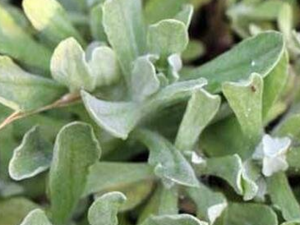
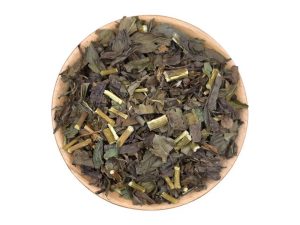
White Discharge Herb is the name of a traditional Chinese medicine. It refers to the whole plant of Cardamine hirsuta L. (hairy cardamine) and Cardamine flexuosa With. (curved cardamine), both members of the Brassicaceae family. Cardamine hirsuta is distributed in Liaoning, Hebei, Shanxi, Shaanxi, Gansu, Shandong, and areas south of the Yangtze River; Cardamine flexuosa is distributed in Liaoning, Hebei, Shaanxi, Gansu, Henan, and areas south of the Yangtze River.It has the effects of clearing heat and draining dampness, calming the mind, and stopping bleeding. It is primarily used to treat damp-heat diarrhea and dysentery, heat-induced urinary disorders, leukorrhea, palpitations, insomnia, toothache caused by deficiency-heat, pediatric malnutrition, hemoptysis, hematochezia, and carbuncles.

Burdock Root

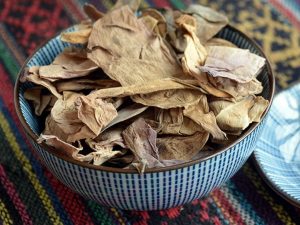
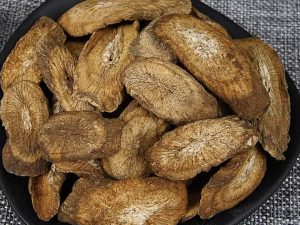
Burdock root is the root of Arctium lappa, a plant of the genus Arctium in the Asteraceae family, produced in Jilin, Liaoning, Heilongjiang, Zhejiang, and other regions.This herb has a bitter and slightly sweet taste, is cool in nature, and enters the Lung and Heart meridians. It has the effects of dispersing wind-heat and eliminating toxins to reduce swelling. It is primarily used to treat wind-heat common cold, headache, cough, facial swelling due to heat toxins, sore throat, swollen and painful gums, rheumatic arthralgia, masses and lumps, boils, abscesses, and malignant sores, as well as hemorrhoids and rectal prolapse.

Peilan

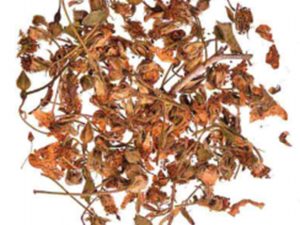
Peilan is the name of a traditional Chinese medicine. It consists of the dried aerial parts of Eupatorium fortunei Turcz., a plant belonging to the genus Eupatorium in the Asteraceae family. It has the effects of dispelling dampness through its aromatic properties, invigorating the spleen and stimulating the appetite, and relieving surface symptoms caused by summer heat. It is primarily used to treat dampness obstructing the middle jiao, exterior syndromes caused by summer heat and dampness, and the early stages of damp-heat diseases.

Acupuncture for Parkinson’s Disease: Motor, Sensory & Chorea-Tremor Areas

Tremor paralysis, also known as Parkinson’s disease, is the most common type of extrapyramidal disorder. It is primarily a syndrome of tremor, rigidity, and bradykinesia resulting from degeneration of the substantia nigra and striatal pathways. The primary etiology involves degeneration of the substantia nigra and striatal pathways. Due to massive loss of nerve cells, the … Read more
Acupuncture for Writer’s Cramp: Causes, Treatment & Exercises

Writer’s cramp is a writing dysfunction caused by hand muscle tension and abnormal movements during writing. The etiology of writer’s cramp remains unclear. Patients are still able to perform normal daily tasks without exhibiting apraxia, and this condition is mostly considered a neurological functional disorder. However, during the intermission phase, examination of the fingers or … Read more

Poliomyelitis: Clinical Stages, Vaccine Prevention, and Acupuncture

Poliomyelitis is caused by the poliovirus, which primarily damages the gray matter of the anterior horn of the spinal cord, leading to spinal nerve paralysis—hence its name. Since it predominantly affects children, it is also known as infantile paralysis. In recent years, the incidence has significantly decreased due to the use of oral polio vaccine … Read more

Syringomyelia: Diagnosis and Acupuncture Treatment

Syringomyelia is a chronic progressive degenerative disease characterized by the formation of a cavity (syrinx) within the central portion of the spinal cord due to various causes. This cavity may extend upward into the medulla oblongata (referred to as syringobulbia) or downward into the thoracic or even lumbar spinal cord. It presents as a syndrome … Read more

Acupuncture for Japanese Encephalitis: Points and Therapy

Epidemic encephalitis B (abbreviated as JE) is an acute infectious disease of the central nervous system caused by the Japanese encephalitis virus. When a mosquito carrying the Japanese encephalitis (JE) virus bites human skin, it can infect the individual. However, not all infected individuals develop the disease; most remain asymptomatic, a condition known as inapparent … Read more

Acupuncture for Sporadic Encephalitis: Points, Protocol & Recovery

Sporadic encephalitis refers to a group of sporadic cases of unclear etiology that clinically present with features consistent with general encephalitis. The incidence rate is approximately 1–10 per 100,000 people. This condition is more common in rural areas than in urban areas, and it predominantly affects young and middle-aged adults of both sexes. In recent … Read more

Scalp Acupuncture for Lacunar Infarction: Points and Protocols

Lacunar infarction, also known as lacunar stroke, lacunar infarct, or cerebral lacunar infarction, refers to small infarcts in the deep regions of the brain caused by occlusion of the deep perforating arteries and their branches. This condition is primarily caused by long-term hypertension, accounting for approximately two-thirds of cases. Persistent hypertension acts on the walls … Read more

Acupuncture for Cerebral Arteriosclerosis: Diagnosis and Treatment

Cerebral arteriosclerosis refers to a syndrome characterized by widespread reduction in cerebral blood flow, extensive cerebral tissue changes, and neurological dysfunction caused by atherosclerosis of the cerebral arteries, arteriolosclerosis, and hyaline degeneration of the microarterioles. Disorders of fat metabolism are a significant factor in the development of arteriosclerosis, but it is also related to age, … Read more

Subarachnoid Hemorrhage: Causes, Symptoms, and Acupuncture Treatment

Subarachnoid hemorrhage (SAH) is a clinical syndrome resulting from the rupture of intracranial blood vessels, with blood entering the subarachnoid space. The etiologies of SAH are numerous, with common causes including: ① SAH due to an abnormal vascular network at the base of the brain (moyamoya disease); ② Rupture of congenital intracranial aneurysms or venous … Read more

Acupuncture Treatment for Vestibular Neuritis: Points and Method

Vestibular neuritis is a vertigo syndrome caused by non-specific inflammation of the vestibular neurons, also known as vestibular neuronitis. The etiology remains unclear. Most patients have a preceding viral respiratory or gastrointestinal infection before onset, and many scholars believe it may be caused by viral infection of the vestibular nerve. I. Diagnostic Criteria This condition … Read more