body-cun acupuncture point location
body-cun measurement method traditional Chinese medicine
how to measure body-cun finger segment
what is body-cun in TCM
gaohuangshu point location and moxibustion
how to moxibustion bl43 point
moxibustion at gaohuangshu BL43

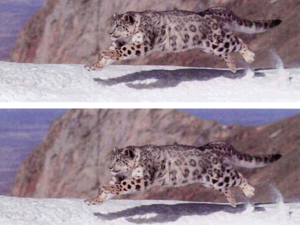
Leopard Bone

Leopard Bone is the name of a traditional Chinese medicinal material. It consists of the bones of the leopard (Panthera pardus Linnaeus), clouded leopard (Neofelis nebulosa Griffith), and snow leopard (Uncia uncia Schreber). It is effective in dispelling wind and dampness, strengthening tendons and bones, and calming the mind and relieving anxiety.It is primarily used to treat wind-cold-damp bi syndrome, pain in the tendons and bones, stiffness and numbness in the limbs, soreness in the lower back and knees, and convulsions in children.

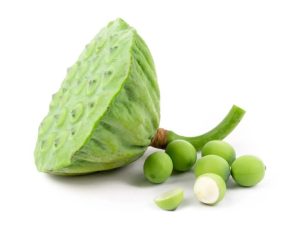
Lotus Seed

Lotus Seed, a name in traditional Chinese medicine, refers to the dried, mature seeds of the lotus (Nelumbo nucifera Gaertn.), a plant of the genus Nelumbo in the Nymphaeaceae family. This product has the effects of tonifying the spleen and stopping diarrhea, stopping leukorrhea, tonifying the kidneys and retaining essence, and nourishing the heart and calming the mind. It is primarily used to treat spleen deficiency-induced diarrhea, leukorrhea, nocturnal emission, palpitations, and insomnia.

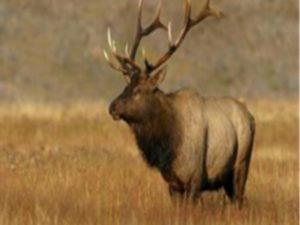
Mile Bone

Mi Gu, a name in traditional Chinese medicine. It refers to the bones of the sika deer (Elaphurus davidianus Milne-Edwards) of the Cervidae family. After the animal is hunted, the skin is removed, the meat is scraped off, and the bones are collected; they are used fresh or dried.Its diet consists primarily of grasses and aquatic plants. This species is endemic to China; it was already being bred in Nanyuan, Beijing, during the Qing Dynasty but no longer exists in the wild. It was later transported to the United Kingdom, resulting in its extinction in China. In the late 1980s, the British government returned the species to China, and it is now bred in Beijing and Jiangsu. It is a Class I nationally protected animal. It feeds on grasses and aquatic plants.It sheds its antlers twice a year; summer antlers grow from June to July and are shed from November to December, after which a pair of winter antlers grow and are shed after March of the following year. It has a sweet and salty taste and a warm nature. It enters the Lung and Kidney meridians. It has the efficacy of tonifying deficiency. It is primarily used to treat conditions such as consumptive diseases, internal injuries, emaciation, and sallow complexion.

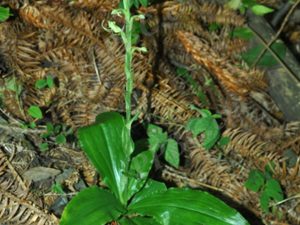
Kidney-Nourishing Herb

Renjingcao is the name of a traditional Chinese medicine. It is the tuber of Habenaria ciliolaris Kraenzl., a plant in the Orchidaceae family. It is distributed in the Yangtze River basin, Taiwan, and other areas. It has the effects of strengthening the lower back and tonifying the kidneys, clearing heat and draining dampness, and detoxifying. It is used to treat lower back pain due to kidney deficiency, nocturnal emissions, erectile dysfunction, leukorrhea, heat-induced dysuria, venomous snake bites, and boils and abscesses.

Body-Cun Measurement Method

As stated in Essential Recipes Worth a Thousand Gold: The ancient measuring standard defines eight ancient inches as one foot. For body-cun, take the first segment of the middle finger of the patient — left hand for males, right hand for females — as one cun. If finger lengths vary, use the transverse width of … Read more

Moxibustion Method for Gaohuangshu (BL43)

Excerpt from Essential Recipes Worth a Thousand Gold by Master Sun Simiao Gaohuangshu treats a wide range of illnesses. It is mainly indicated for emaciation, general debility, nocturnal emissions, adverse qi rising with cough, mania, mental confusion and poor memory. Point Location Ask the patient to sit upright, bend the spine and stretch both arms … Read more