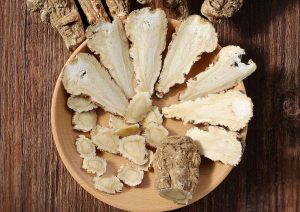
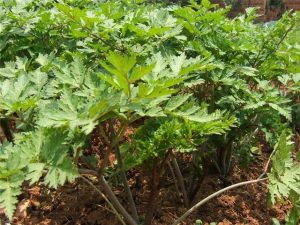
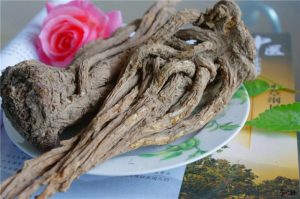
Dong Quai (Angelica sinensis) is one of the top traditional herbal choices for scanty menstrual flow. Scanty periods refer to very light bleeding, short duration (less than 2‑3 days), faint or dark menses, often linked to blood deficiency or blood stasis. Still, it only works for certain root causes and cannot resolve scanty flow triggered by organ damage.
Core Mechanisms
- Nourish blood to build uterine lining When the body suffers blood deficiency, the endometrium fails to grow sufficiently, leading to light, short periods. Dong quai tonifies blood, supports endometrial proliferation and prepares the uterus for normal monthly shedding.
- Activate blood circulation and dispel blood stasis If blood stasis blocks uterine outflow, menstrual blood cannot discharge fully. Even with adequate endometrial thickness, periods remain scanty with dark clots. Ligustilide improves uterine pelvic microcirculation, removes stagnation, and helps trapped menstrual blood flow normally.
- Improve ovarian perfusion for better ovulation Poor blood supply to ovaries impairs follicle development, resulting in low hormone output and thin uterine lining. Dong quai boosts ovarian blood flow, supports ovulation function, which indirectly increases menstrual volume.
- Soothe liver‑qi stagnation from chronic stress Long‑term mental pressure disturbs the HPO axis, causing ovulation irregularity and scanty periods. Dong quai relieves qi stagnation while tonifying blood, correcting stress‑related light menses.
Suitable Cases for Dong Quai (Scanty Period Sub‑types)
✅ Pattern 1: Blood‑deficiency scanty periods
- Light pale‑red flow, short period lasting 1‑2 days
- Delayed cycles, pale lips and nails, dizziness, fatigue, palpitations
- Common after childbirth, excessive dieting, long‑term heavy work or chronic blood loss
✅ Pattern 2: Blood‑stasis scanty periods
- Dark brown scant flow, small dark clots, lower abdominal cramping before period
- Cold lower abdomen, cold hands and feet; flow slightly improves after clots pass
✅ Pattern 3: Stress‑induced liver‑qi stagnation scanty periods
- Fluctuating cycle length, scant flow, pre‑period breast tenderness, irritability
❌ Cases where dong quai brings little benefit or should be avoided
- Scanty periods from premature ovarian failure: Dong quai relieves symptoms but cannot reverse ovarian tissue damage.
- Intrauterine adhesions after surgery: Physical scar tissue blocks menstrual outflow; herbs cannot resolve structural scarring. Seek gynecological intervention.
- High‑androgen PCOS: Dong quai cannot lower testosterone; only auxiliary support under medical supervision.
- Pregnancy: Scanty spotting during early pregnancy is not a period; dong quai is strictly forbidden. Always rule out pregnancy first.
Phase‑Based Usage Protocol for Scanty Periods
Do not take dong quai every day continuously; follow menstrual cycle rhythm.
1. Follicular phase (Days 1‑7 right after period ends — primary treatment window)
Dosage: Dong quai 3‑4 g daily
- Herbal tea or stewed soup
- Duration: 5‑7 days Goal: Nourish blood, promote endometrium and follicle growth.
2. Ovulation phase
Reduce to 2 g every other day or pause. Avoid heavy blood‑activating stimulation to prevent spotting. Add rose if you feel emotional tension.
3. Pre‑menstrual phase (5‑7 days before expected period)
Dong quai 2‑3 g per day, to unblock uterine circulation and encourage smooth menstrual discharge.
4. Menstruation onset
Since flow is scanty with clots: you may use low‑dose dong quai (1.5‑2 g) for the first 1‑2 days of menstruation to dispel stasis.
Once clots disappear and flow becomes normal, stop immediately.
If flow turns moderate‑heavy during use, discontinue dong quai at once.
Classic Herbal Combinations
- Blood‑deficiency scanty periods (pale flow, fatigue): Dong Quai + Astragalus (Danggui Buxue Tang)
- Cold‑stasis scanty periods (dark clots, cold limbs): Dong Quai + Ginger + Red dates
- Stress‑related scanty periods (mood swings): Dong Quai + Rose + Cyperus rotundus
Contraindications & Important Warnings
- Rule out pregnancy before self‑treatment for light or missed periods.
- If scanty flow persists over 3 cycles, complete hormone tests and pelvic ultrasound to rule out adhesions, ovarian disease.
- Avoid dong quai if you take anticoagulants such as warfarin or high‑dose aspirin, bleeding risk.
- People with chronic diarrhea: dong quai has mild laxative action; lower dosage or choose soup‑cooked form instead of raw steeped slices.
- If you have estrogen‑sensitive lesions (large fibroids, endometrial hyperplasia), consult a healthcare provider before taking.
Expected Timeline
Improvement does not happen in one cycle. Noticeable changes in menstrual volume and colour usually appear after 2‑3 full menstrual cycles of cyclic herbal conditioning.
Summary
Dong quai works best for scanty periods caused by blood deficiency, blood stasis and stress‑triggered liver‑qi stagnation. Use mainly in follicular phase after menstruation ends; tiny dose can be applied on first days of period only when flow is scant and clot‑laden. It cannot fix scar‑caused intrauterine adhesions or severe ovarian organic damage. Always exclude pregnancy first.