
Ben Tun Poria Decoction,From *Jiyuan Fang*, cited in Volume 12 of *Wai Tai*.,For shortness of breath, deficiency of the five viscera, cold qi causing cold extremities and counterflow, abdominal distension and fullness, qi rushing and surging through the chest and diaphragm, episodes where one feels as if one’s breath is about to cease, loss of recognition of others, emaciation and weakness, and the lower abdomen rising and surging like a piglet—moving up and down, rushing back and forth—accompanied by chills and fever, cramping and pulling sensations in the genitalia, cold extremities, or feverish agitation.
Ben Tun Poria Decoction
Disclaimer: These statements have not been evaluated by the Food and Drug Administration (FDA). This product is not intended to diagnose, treat, cure, or prevent any disease. All references in this article to TCM syndrome differentiation, herbal medicines, teas, and decoctions are intended to promote TCM culture and are provided solely for educational and reference purposes.
Formulas Name : Ben Tun Poria Decoction
Chinese Name : 奔豚茯苓汤
Drug Formulation
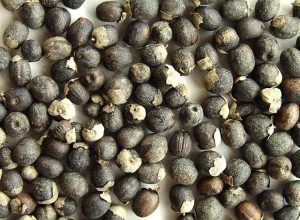
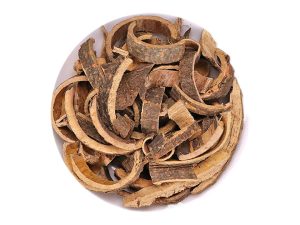
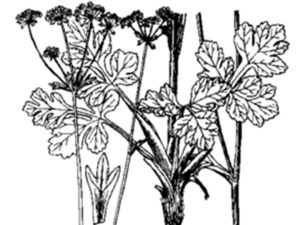
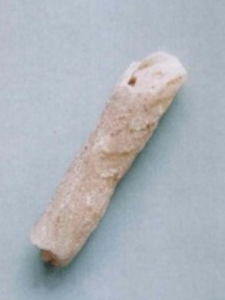
4 liang of Poria, 8 liang of raw kudzu, 2 liang of licorice (roasted), 5 liang of fresh ginger, 1 sheng of Pinellia (washed in hot water), 3 liang of ginseng, 2 liang of Angelica sinensis, 2 liang of Ligusticum chuanxiong, and 1 sheng of white plum root bark (sliced).
Source
From *Jiyuan Fang*, cited in Volume 12 of *Wai Tai*.
Processing
The ingredients above are sliced.
Benefits
For shortness of breath, deficiency of the five viscera, cold qi causing cold extremities and counterflow, abdominal distension and fullness, qi rushing and surging through the chest and diaphragm, episodes where one feels as if one’s breath is about to cease, loss of recognition of others, emaciation and weakness, and the lower abdomen rising and surging like a piglet—moving up and down, rushing back and forth—accompanied by chills and fever, cramping and pulling sensations in the genitalia, cold extremities, or feverish agitation.
Instructions for Use
Boil 1 dou 2 sheng of water until reduced to 5 sheng; take 1 sheng three times a day and twice at night.
Note
Avoid mutton, malt syrup, seaweed, Chinese cabbage, and pickled foods.
Copyright: Excerpt from From *Jiyuan Fang*, cited in Volume 12 of *Wai Tai*., Copyright belongs to the Original Author and all original sources, This article was shared by DeDe on August 18, 2026, Please credit the source and include a link to the original article when reposting.
Terminology Proofreading: [Cheng Bo] | August 18, 2026 Reviewed by: [Wang Zhongxiang, Associate Chief TCM Physician (China)] | August 18, 2026
Correct Content Errors: Errors may occur during the writing, editing, translation, and publication of website content. If you find any errors or inaccurate information in this article, please feel free to Contact Us to report them, and we will correct them promptly.
FDA Disclaimer: The descriptions of the efficacy of Chinese herbal medicines, herbal teas, decoctions, and formulas, as well as the content on Traditional Chinese Medicine (TCM) diagnostic theory and traditional TCM therapies contained on this site, are intended solely for the purpose of popularizing TCM culture and serving as an educational reference; they do not constitute medical diagnosis or treatment advice. Please do not attempt to use these products on your own without proper guidance. These statements have not been evaluated by the Food and Drug Administration. This product is not intended to diagnose, treat, cure, or prevent any disease. If you are experiencing any physical discomfort, please consult a licensed healthcare professional and seek treatment at a reputable medical institution. This platform assumes no responsibility for any consequences resulting from the use of herbs or formulas by any individual based on the information provided on this site. Please read Medical Disclaimer.
Ben Tun Poria Decoction,For shortness of breath, deficiency of the five viscera, cold qi causing cold extremities and counterflow, abdominal distension and fullness, qi rushing and surging through the chest and diaphragm, episodes where one feels as if one’s breath is about to cease, loss of recognition of others, emaciation and weakness, and the lower abdomen rising and surging like a piglet—moving up and down, rushing back and forth—accompanied by chills and fever, cramping and pulling sensations in the genitalia, cold extremities, or feverish agitation.