
Camphor and Gastrodia Decoction,*Formulae of the Imperial Medical Bureau*, Volume 1.,For all types of wind disorders, including paralysis and flaccid paralysis; hemiplegia; deviation of the mouth and eyes; slurred speech and excessive salivation; mental confusion; or stiffness and spasms of the tendons and meridians; numbness throughout the body; pain in all joints; and trembling of the hands and feet; as well as wind-toxin ascending from the kidneys, causing puffiness of the head and face; tinnitus and hearing loss; nasal congestion and dry mouth; difficult expectoration of phlegm;spreading to the lower back and legs, with weakness in the feet and knees, swelling, pain, and the formation of sores; it also treats women’s blood-wind attacks, characterized by body pain, a puffy face and emaciated muscles, a bitter taste in the mouth and dry tongue, dizziness and vertigo, and drowsiness with excessive sleep; or skin itching, hives, and sores; as well as hidden wind, brain-invading wind, and headaches—whether one-sided or bilateral.
Camphor and Gastrodia Decoction
Disclaimer: These statements have not been evaluated by the Food and Drug Administration (FDA). This product is not intended to diagnose, treat, cure, or prevent any disease. All references in this article to TCM syndrome differentiation, herbal medicines, teas, and decoctions are intended to promote TCM culture and are provided solely for educational and reference purposes.
Formulas Name : Camphor and Gastrodia Decoction
Chinese Name : 龙脑天麻煎
Drug Formulation
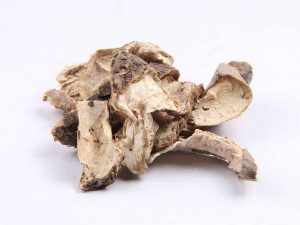
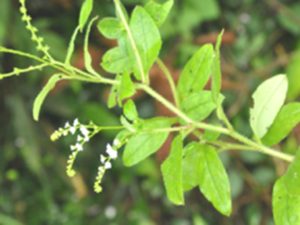
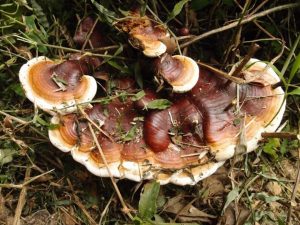
50 liang of sweet melon seeds (washed thoroughly in water), 50 liang of duckweed (sorted and washed), 50 liang of Sichuan aconite (roasted, with skin and pith removed), 50 liang of sanguisorba (stems removed, scraped clean), 50 liang of black ginseng (washed and dried), 100 liang of gastrodia(stems removed). Grind the above six ingredients into a fine powder; dissolve with 15 jin and 10 liang each of snow water and white sand honey; filter through a silk bag; then simmer over low heat in a silver or stone vessel until it becomes a thick paste. Add 8 liang of raw borneol (ground) and 4 liang of musk (ground).
Source
*Formulae of the Imperial Medical Bureau*, Volume 1.
Processing
Grind the above ingredients into a fine powder. Excluding the borneol and musk, mix them thoroughly with the Gastrodia and Aconite paste until uniform; let cool. Add the borneol and musk, mix thoroughly again, then pound in a mortar and roll into cylindrical pills.
Benefits
For all types of wind disorders, including paralysis and flaccid paralysis; hemiplegia; deviation of the mouth and eyes; slurred speech and excessive salivation; mental confusion; or stiffness and spasms of the tendons and meridians; numbness throughout the body; pain in all joints; and trembling of the hands and feet; as well as wind-toxin ascending from the kidneys, causing puffiness of the head and face; tinnitus and hearing loss; nasal congestion and dry mouth; difficult expectoration of phlegm;spreading to the lower back and legs, with weakness in the feet and knees, swelling, pain, and the formation of sores; it also treats women’s blood-wind attacks, characterized by body pain, a puffy face and emaciated muscles, a bitter taste in the mouth and dry tongue, dizziness and vertigo, and drowsiness with excessive sleep; or skin itching, hives, and sores; as well as hidden wind, brain-invading wind, and headaches—whether one-sided or bilateral.
Instructions for Use
Take one dose the size of a soapberry seed each time; chew it together with peppermint, and wash it down with tea or wine at any time of day. It is effective when taken concurrently to treat paralysis and flaccidity caused by wind; for tetanus, take it with black beans soaked in wine; to induce sweating, take it with roasted scallions and hot wine in three doses; regular use is also effective.
Copyright: Excerpt from *Formulae of the Imperial Medical Bureau*, Volume 1., Copyright belongs to the Original Author and all original sources, This article was shared by DeDe on August 26, 2026, Please credit the source and include a link to the original article when reposting.
Terminology Proofreading: [Cheng Bo] | August 26, 2026 Reviewed by: [Wang Zhongxiang, Associate Chief TCM Physician (China)] | August 26, 2026
Correct Content Errors: Errors may occur during the writing, editing, translation, and publication of website content. If you find any errors or inaccurate information in this article, please feel free to Contact Us to report them, and we will correct them promptly.
FDA Disclaimer: The descriptions of the efficacy of Chinese herbal medicines, herbal teas, decoctions, and formulas, as well as the content on Traditional Chinese Medicine (TCM) diagnostic theory and traditional TCM therapies contained on this site, are intended solely for the purpose of popularizing TCM culture and serving as an educational reference; they do not constitute medical diagnosis or treatment advice. Please do not attempt to use these products on your own without proper guidance. These statements have not been evaluated by the Food and Drug Administration. This product is not intended to diagnose, treat, cure, or prevent any disease. If you are experiencing any physical discomfort, please consult a licensed healthcare professional and seek treatment at a reputable medical institution. This platform assumes no responsibility for any consequences resulting from the use of herbs or formulas by any individual based on the information provided on this site. Please read Medical Disclaimer.
Camphor and Gastrodia Decoction,For all types of wind disorders, including paralysis and flaccid paralysis; hemiplegia; deviation of the mouth and eyes; slurred speech and excessive salivation; mental confusion; or stiffness and spasms of the tendons and meridians; numbness throughout the body; pain in all joints; and trembling of the hands and feet; as well as wind-toxin ascending from the kidneys, causing puffiness of the head and face; tinnitus and hearing loss; nasal congestion and dry mouth; difficult expectoration of phlegm;spreading to the lower back and legs, with weakness in the feet and knees, swelling, pain, and the formation of sores; it also treats women’s blood-wind attacks, characterized by body pain, a puffy face and emaciated muscles, a bitter taste in the mouth and dry tongue, dizziness and vertigo, and drowsiness with excessive sleep; or skin itching, hives, and sores; as well as hidden wind, brain-invading wind, and headaches—whether one-sided or bilateral.