
Shenji Wanling Ointment,*Tongshou Lu*, Volume 4.,Five Labors and Seven Injuries; cold and damp pain in the shoulders, back, waist, knees, and feet; excruciating pain in the feet; in men, impotence, genital atrophy and weakness, nocturnal emissions, leukorrhea, and deficiency of vital energy with cold; in women, cold and blocked uterus, and red or white vaginal discharge; red or white dysentery; masses and lumps;paralysis on the left or right side; unilateral or bilateral headaches; tongue swelling; vomiting after drinking alcohol, alcohol accumulation, indigestion, and hidden wind disorders; wind-cold or wind-heat coughs, and consumption; chest and diaphragm obstruction, with unrelenting shortness of breath;menstrual obstruction in women; threatened miscarriage; typhoid fever, including the “Yellow-Wandering” and “Chest-Contraction” patterns, accompanied by bloody or white dysentery; blood stasis from blows or falls; dog bites and injuries from snakes and scorpions; boils, back abscesses, and carbuncles; all initial stages of unknown swellings and toxic sores; dry and wet scabies and tinea, itching, and hives; swollen and painful leprosy sores; skin ulcers and furuncles; and chronic childhood ailments, etc.
Shenji Wanling Ointment
Formulas Name : Shenji Wanling Ointment
Chinese Name : 神机万灵膏
Drug Formulation
4 jin of pure sesame oil, 2 branches of locust tree, 2 branches of willow, 2 branches of peach, 2 branches of pomegranate, 2 branches of toon tree, 2 branches of apricot, 2 branches of paper mulberry, 2 liang of “Two-Ended Sharp,” 2 liang of white angelica, 2 liang of red peony root, 2 liang of rhubarb, 2 liang of Sichuan coptis, 2 liang of ginseng, 2 liang of pangolin scales, 2 liang of white peony root,2 liang of Aconite, 2 liang of Sophora flavescens, 2 liang of Ligusticum chuanxiong, 2 liang of Angelica sinensis, 1 liang of Apricot Kernels, 1 liang of Raw Rehmannia, 1 liang of Sichuan Pepper, 1 liang of Fetal Hair, 1 liang of Sophora japonica seeds, 1 liang of Phellodendron bark (peeled), 1 liang of Prepared Rehmannia, 120 seeds of Croton tiglium (peeled and shelled), 50 seeds of Euphorbia lathyris (peeled and shelled), 120 castor bean kernels(shells removed).
Source
*Tongshou Lu*, Volume 4.
Processing
Coarsely chop the ingredients and soak them in a pot of oil: 5 days in spring, 3 days in summer, 7 days in fall, and 10 days in winter. Once sufficiently soaked, transfer the mixture to a copper pot and simmer until the herbs are charred and dry. Remove from heat and allow to cool, then filter through raw silk to remove all residue. Return the herbal oil to the pot and simmer, stirring continuously with a willow branch,add 2 jin of realgar (water-washed, purified, and fire-baked seven times; use the dry variety), and simmer over low heat in the oil until a drop of the mixture forms a bead when dropped into water. Then add 12 liang of pure, clear yellow colophony; grind into a fine powder and stir thoroughly. Just before removing from the pot, reduce the heat slightly, then add 1 liang of genuine asafoetida (test method: rub asafoetida on a copper vessel; if the copper turns white the next day, it is genuine), agarwood, cloves,musk, Guangxi frankincense, and dragon’s blood—each 1 liang; and frankincense and myrrh—each 3 liang (to induce sweating). Grind all ingredients into an extremely fine powder, mix thoroughly into the oil, and place the mixture in a large tub of cold water. Change the water once a day and soak for 7 days and nights to remove any residual heat, then store in a porcelain jar.
Benefits
Five Labors and Seven Injuries; cold and damp pain in the shoulders, back, waist, knees, and feet; excruciating pain in the feet; in men, impotence, genital atrophy and weakness, nocturnal emissions, leukorrhea, and deficiency of vital energy with cold; in women, cold and blocked uterus, and red or white vaginal discharge; red or white dysentery; masses and lumps;paralysis on the left or right side; unilateral or bilateral headaches; tongue swelling; vomiting after drinking alcohol, alcohol accumulation, indigestion, and hidden wind disorders; wind-cold or wind-heat coughs, and consumption; chest and diaphragm obstruction, with unrelenting shortness of breath;menstrual obstruction in women; threatened miscarriage; typhoid fever, including the “Yellow-Wandering” and “Chest-Contraction” patterns, accompanied by bloody or white dysentery; blood stasis from blows or falls; dog bites and injuries from snakes and scorpions; boils, back abscesses, and carbuncles; all initial stages of unknown swellings and toxic sores; dry and wet scabies and tinea, itching, and hives; swollen and painful leprosy sores; skin ulcers and furuncles; and chronic childhood ailments, etc.
Instructions for Use
To use, take a small amount, melt it over a double boiler, and apply it in an appropriate amount to the affected area. For the “Five Labors and Seven Injuries,” apply to the Feishu, Jianjing, Zusanli, and Quchi acupoints, then warm both hands over a fire and press them against the area over a hundred times; for cold-damp pain in the shoulders, back, waist, knees, and feet, or for excruciating pain from beriberi, apply to the affected area;For men suffering from erectile dysfunction, genital atrophy and weakness, nocturnal emissions, or white discharge due to deficiency of vital energy and cold, and for women with a cold and blocked uterus or red or white vaginal discharge, apply to the Yin Jiao and Guan Yuan acupoints; for men and women with red or white dysentery, apply to the Dan Tian acupoint, adding one finely ground Mu Jie to the ointment;For abdominal distension and fullness in both men and women, first form a ring of flour around the affected area; place 1 liang of Pi Xiao inside the ring, cover with heavy paper, and apply heat using a hot iron until the heat penetrates the paper. Then remove the Pi Xiao and the flour ring, apply the ointment to the affected area, and use both hands to apply heat over a hundred times until sweat breaks out; add one finely ground Mu Jie to the ointment;For left-sided paralysis and right-sided weakness, add one finely pounded soft-shelled turtle and apply the ointment to the Dantian acupoint; continue taking three pills of this medicine, washed down with wine; for one-sided or general headaches, apply the ointment inside the navel; for a swollen tongue, apply to the center of the chest, the Lung Shu acupoint, and 3 cun below the heart region; for vomiting after drinking, alcohol accumulation, indigestion, or hidden wind disorders, apply to the Lung Shu acupoint and approximately 2 cun below the heart region;For wind-cold or wind-heat coughs and consumption, apply to the Lung Shu acupoint; for chest and diaphragm obstruction with unrelenting shortness of breath, apply to the Lung Shu acupoint; for women with amenorrhea, apply to the Tao and Kang acupoints on the bone;For a threatened miscarriage, first apply this ointment inside the navel, then mix another portion of the ointment with one finely ground Mu Jie and apply it to the Dantian acupoint; for typhoid fever contracted during the three months of spring—whether the incubation period has passed or not—apply this ointment above the navel and below the Xinkang acupoint; if the incubation period has not yet passed, use 2.5 liang of this ointment, apply it to the center of the navel, and warm the area with your hands until sweat breaks out;For typhoid fever during the three months of summer, when it progresses to the “Yellow” or “Chest-Binding” stages, apply 2 liang of this ointment below the heart center; for typhoid fever during the three months of autumn accompanied by red-and-white dysentery, apply 2 liang of this ointment to the center of the navel; for typhoid fever during the three months of winter accompanied by red-and-white dysentery, apply 2.5 liang of this ointment to the center of the navel; for blood stasis caused by blows or falls, apply to the painful area and warm it with your hands until the pain subsides;For dog bites, snake bites, or scorpion stings, apply the ointment to the affected area; no warming is necessary. For boils, abscesses, back sores, carbuncles, and all types of unexplained swollen infections, apply the ointment to the affected area within the first 1–2 days of onset; warm it with your hands until a sweat breaks out, and the swelling will subside. If, after 4–5 days, the swelling has hardened and pus has formed, apply this ointment as well; it will facilitate the discharge of pus and promote healing;For dry or wet scabies, ringworm, itching, and hives, apply to the navel; warm with your hands until sweating occurs, and the symptoms will subside. For swollen and painful leprosy sores, add one finely ground Euphorbia thunbergii to the ointment, apply to the navel, and warm with your hands until sweating occurs—this will cure the condition. For all types of sores and boils, apply as needed regardless of size;For childhood chronic ailments, apply this ointment to the affected area; warm it with your hands until the abdomen feels warm, and the symptoms will subside. Alternatively, applying it to the navel is also effective. This ointment can treat myriad ailments; apply it to the affected area or the navel, and it will invariably prove effective. For even better results, after application, warm your hands over a fire and rub the area over a hundred times.
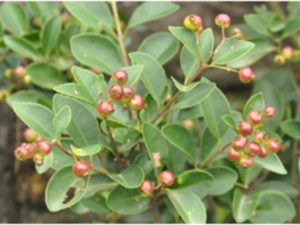
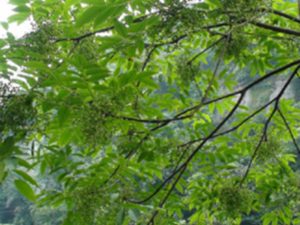
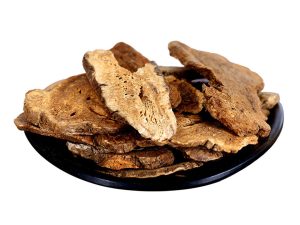
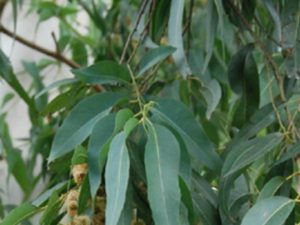
Shenji Wanling Ointment,Five Labors and Seven Injuries; cold and damp pain in the shoulders, back, waist, knees, and feet; excruciating pain in the feet; in men, impotence, genital atrophy and weakness, nocturnal emissions, leukorrhea, and deficiency of vital energy with cold; in women, cold and blocked uterus, and red or white vaginal discharge; red or white dysentery; masses and lumps;paralysis on the left or right side; unilateral or bilateral headaches; tongue swelling; vomiting after drinking alcohol, alcohol accumulation, indigestion, and hidden wind disorders; wind-cold or wind-heat coughs, and consumption; chest and diaphragm obstruction, with unrelenting shortness of breath;menstrual obstruction in women; threatened miscarriage; typhoid fever, including the “Yellow-Wandering” and “Chest-Contraction” patterns, accompanied by bloody or white dysentery; blood stasis from blows or falls; dog bites and injuries from snakes and scorpions; boils, back abscesses, and carbuncles; all initial stages of unknown swellings and toxic sores; dry and wet scabies and tinea, itching, and hives; swollen and painful leprosy sores; skin ulcers and furuncles; and chronic childhood ailments, etc.