
Weeping Willow Ointment,*Shengji Zonglu*, Volume 130.,For all types of sores and swellings.
Weeping Willow Ointment
Disclaimer: These statements have not been evaluated by the Food and Drug Administration (FDA). This product is not intended to diagnose, treat, cure, or prevent any disease. All references in this article to TCM syndrome differentiation, herbal medicines, teas, and decoctions are intended to promote TCM culture and are provided solely for educational and reference purposes.
Formulas Name : Weeping Willow Ointment
Chinese Name : 垂柳膏
Drug Formulation
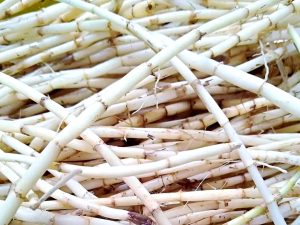
2 liang of white bark from weeping willow branches (chopped), 4 liang of Polygonum cuspidatum root (chopped), 1 fen of cinnabar (finely ground), 1 cooked egg yolk, half a liang of bear bile (ground), 7 cun of old blue silk (burned to ash and ground), 1 liang of wax, 4 liang of lead丹, and 1 jin of clear oil.
Source
*Shengji Zonglu*, Volume 130.
Processing
Heat the oil without boiling until it reaches a rolling boil; add the willow bark and Polygonum cuspidatum root, and simmer until the mixture turns reddish-black, then strain it out. Filter through cotton to remove the dregs; add the cinnabar and wax, and simmer while stirring with a willow whisk until the mixture turns black. Add the four ground ingredients, stir thoroughly until uniform, and test by dripping a drop into water—it should form a bead. Store in a porcelain jar.
Benefits
For all types of sores and swellings.
Instructions for Use
Spread the mixture on a piece of old cloth and apply it twice daily.For intestinal abscesses, wrap an amount roughly the size of half a jujube in cotton, hold it in the mouth to dissolve, and swallow the saliva until healed; for blurred vision, shape the mixture into a cake, pierce it with a needle to make 30–50 holes, and apply it to the eye until healed; for deafness, form it into a plug, pierce a hole in the center, insert it into the ear, and change it twice daily until healed; for bruises, apply the ointment to the painful area until healed.
Copyright: Excerpt from *Shengji Zonglu*, Volume 130., Copyright belongs to the Original Author and all original sources, This article was shared by DeDe on August 20, 2026, Please credit the source and include a link to the original article when reposting.
Terminology Proofreading: [Cheng Bo] | August 20, 2026 Reviewed by: [Wang Zhongxiang, Associate Chief TCM Physician (China)] | August 20, 2026
Correct Content Errors: Errors may occur during the writing, editing, translation, and publication of website content. If you find any errors or inaccurate information in this article, please feel free to Contact Us to report them, and we will correct them promptly.
FDA Disclaimer: The descriptions of the efficacy of Chinese herbal medicines, herbal teas, decoctions, and formulas, as well as the content on Traditional Chinese Medicine (TCM) diagnostic theory and traditional TCM therapies contained on this site, are intended solely for the purpose of popularizing TCM culture and serving as an educational reference; they do not constitute medical diagnosis or treatment advice. Please do not attempt to use these products on your own without proper guidance. These statements have not been evaluated by the Food and Drug Administration. This product is not intended to diagnose, treat, cure, or prevent any disease. If you are experiencing any physical discomfort, please consult a licensed healthcare professional and seek treatment at a reputable medical institution. This platform assumes no responsibility for any consequences resulting from the use of herbs or formulas by any individual based on the information provided on this site. Please read Medical Disclaimer.
Weeping Willow Ointment,For all types of sores and swellings.