
Cultivated Cordyceps militaris receives growing attention as complementary wellness support for people navigating chemo recovery. Within Traditional Chinese Medicine (TCM, 中医), chemotherapy‑caused physical damage corresponds to patterns of severe qi and Kidney Jing depletion, internal toxin accumulation (大伤正气,肾精亏虚,毒邪内蕴). It is critically important to stress: cordyceps is not a cancer treatment and cannot replace chemotherapy, radiation or oncological care. It is never to be taken without explicit clearance from an oncologist. Most supportive mechanistic data comes from pre‑clinical research; human clinical evidence remains limited. It serves only as adjunct recovery support, not medical therapy.
Important Disclaimer: Cordyceps is complementary wellness support only. It does not treat cancer. Never start cordyceps while undergoing active chemotherapy without direct approval from your oncology team. Do not alter cancer‑related treatment plans on your own. Always follow all instructions from your medical oncologist.
Traditional Chinese Medicine Perspective: Cordyceps for Chemo‑Related Constitutional Damage
In TCM theory (中医理论), chemotherapeutic agents act as strong “toxic heat” that damages Lung‑Kidney essence and consumes the body’s vital qi. Common symptoms during and after chemo include profound persistent fatigue, lowered immunity, poor appetite, shortness of breath, bone‑marrow suppression, hair loss, lower‑back weakness, spontaneous sweating and sleep disturbance.
Cordyceps functions as a dual Lung‑Kidney tonic (补肺益肾). It nourishes depleted Kidney Jing, tonifies Lung qi, helps rebuild constitutional reserves damaged by chemotherapeutic toxicity. It aims to relieve deficiency‑driven discomforts rather than directly attacking cancer cells.
Important TCM note: Cordyceps suits deficiency‑dominated recovery phases. If patients still present obvious excess heat, inflammation or active infection signs, cordyceps monotherapy is inappropriate and requires custom herbal formulas guided by a qualified TCM practitioner working alongside the oncology team. During active chemotherapy administration, all herbal supplements must receive oncologist approval first.
Modern Scientific Mechanisms & Research Findings
Note: Pre‑clinical studies show encouraging protective signals. Human data is limited. Cordyceps should never be viewed as anti‑cancer therapy.
1. Mitigate chemotherapy‑induced bone‑marrow suppression
Bone‑marrow suppression leading to low white blood cells, low red blood cells and platelets is one major adverse outcome of many chemotherapy regimens. Pre‑clinical studies show cordycepin and cordyceps polysaccharides support hematopoietic stem‑cell survival, helping ease chemo‑related suppression of normal bone‑marrow function. It does not interfere with chemo’s cytotoxic effect on malignant cells in pre‑clinical models, yet clinical confirmation in human subjects is still insufficient.
2. Reduce oxidative stress and protect normal healthy tissues
Chemotherapy generates large amounts of reactive oxygen species which damage healthy organs alongside tumour tissue. Cordyceps activates Nrf2 antioxidant pathway, decreasing oxidative injury to normal cells and reducing some chemo‑triggered oxidative tissue damage.
3. Modulate immune function post‑chemotherapy
Chemotherapy often suppresses multiple immune‑cell populations. Cordyceps delivers immunomodulating effects: it may support recovery of innate immune cell function after chemo‑induced immune exhaustion. It is not a simple immune stimulant; it balances immune responses rather than over‑activating immunity.
4. Improve mitochondrial function to relieve severe chemo‑related fatigue
Mitochondrial damage is a key driver of long‑lasting post‑chemotherapy fatigue. Cordyceps compounds enhance mitochondrial respiratory‑chain performance and cellular ATP production, counteracting energy‑production defects that contribute to persistent exhaustion after chemo cycles.
5. Support gastrointestinal mucosal defence
Many chemotherapies harm intestinal mucosa, causing gut inflammation, poor appetite and digestive distress. Cordyceps polysaccharides act as prebiotics, preserving gut‑barrier integrity and supporting balanced gut microbiota, which aids post‑chemo gastrointestinal recovery.
6. Human clinical observations
Small observational clinical studies on chemo‑recovery patients suggest cordyceps‑derived extracts may help improve white‑blood‑cell counts, reduce subjective fatigue and improve quality‑of‑life scores in post‑treatment participants. However, these trials have small sample sizes, lack uniform protocols, and cannot establish definitive clinical benefits. No large‑scale RCT proves cordyceps reduces cancer recurrence risk.
Which People May Gain Adjunct Wellness Support
These describe functional wellness patterns, not medical diagnoses:
- Post‑chemotherapy recovery phase, oncologist‑cleared for herbal supplements, suffering from severe persistent fatigue, low stamina, immune‑related vulnerability matching TCM Lung‑Kidney deficiency pattern
- Patients finished with chemo cycles, experiencing bone‑marrow‑related mild cytopenia, exhaustion, poor appetite and sleep disturbance
Groups where extreme caution or avoidance is required:
- Patients in the middle of active chemotherapy cycles without oncologist explicit approval
- Active progressive cancer under urgent oncological intervention
- Known mushroom‑type allergic reactions
- Patients taking immunosuppressant or anticoagulant prescription medicines without doctor clearance
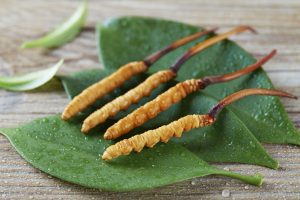
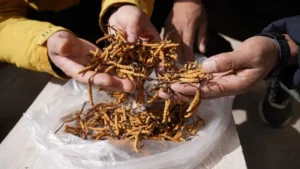
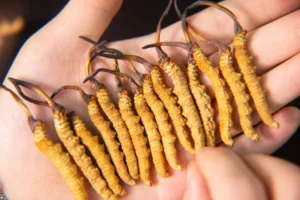
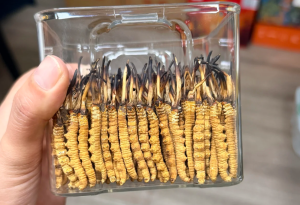
Wild Ophiocordyceps sinensis vs Cultivated Cordyceps militaris for Chemo Recovery
| Item | Ophiocordyceps sinensis (Wild caterpillar fungus) | Cultivated Cordyceps militaris |
|---|---|---|
| Recovery‑related bioactives | Highly variable cordycepin and polysaccharide content, inconsistent batches | Controlled indoor cultivation; standardized cordycepin and polysaccharide levels |
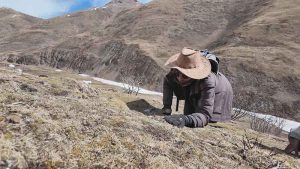
| Quality risks | High adulteration risk, heavy‑metal contamination from high‑altitude soil | Third‑party lab‑testable raw material, stable potency |
| Cost | Extremely expensive for multi‑month recovery supplementation | Cost‑effective for cyclic long‑term wellness protocols |
| Research background | Mainly traditional TCM observational records | Most modern pre‑clinical chemo‑recovery studies use cultivated Cordyceps militaris |
| Practical recommendation | Not recommended for routine chemo‑recovery support | Preferred choice for adjunct post‑chemo wellness (only after oncologist approval) |
Important market warning: Some “cancer‑support” herbal blends labelled cordyceps may contain hidden additives. Always choose independently third‑party tested cordyceps supplements.
Recommended Usage, Dosage & Timing for Chemo‑Recovery Adjunct Support
Critical rule: Only start supplementation after you have obtained explicit approval from your oncologist. Never begin during active chemo cycles without medical clearance. Cordyceps may produce alertness in sensitive users; avoid high‑dose evening intake.
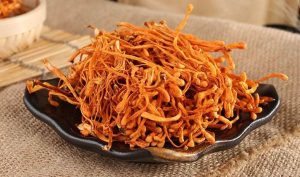
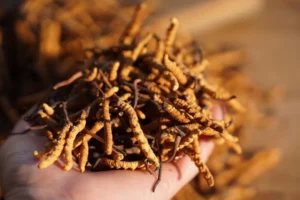
- Forms: Standardized dual‑extract capsules / powder; cordyceps fruiting‑body decoction tea.
- Adult daily dosage for post‑chemo recovery: 1000‑2000 mg standardized Cordyceps militaris extract per day. Begin at lower dosage for patients with severely weakened physical condition.
- Timing: Take in morning or early afternoon. Late‑day dosing may trigger mental alertness and disturb sleep for sensitive recovering individuals.
- Cyclic protocol: Take daily for 8‑12 weeks, followed by a 7‑day rest break. Post‑chemo recovery progresses slowly. Evaluate fatigue, appetite and blood‑cell lab markers under doctor supervision. If no observable improvement after 12 weeks, discontinue supplementation.
- Synergistic herbal combinations (only under professional guidance):
- cordyceps + astragalus root: classic TCM pairing for qi‑Kidney restoration after toxic therapeutic injury
- cordyceps + schisandra berry: enhances antioxidant protection for organs under recovery
Critical Safety Guidelines & Contraindications
- Not cancer therapy: Cordyceps is only adjunct wellness support. It cannot treat, cure or prevent cancer. Never replace oncological treatment with herbal supplements.
- Oncologist mandatory clearance: Do not take cordyceps during active chemotherapy unless your treating oncologist explicitly approves. Potential herb‑drug interactions are not fully studied.
- Anticoagulant / anti‑platelet medication: Cordyceps shows mild anti‑platelet activity. Many chemo patients have elevated bleeding risk. Medical clearance is strictly required before supplementation.
- Pre‑surgery: Discontinue cordyceps at least two weeks before any scheduled surgical procedure.
- Immunosuppressant medications: Cordyceps is immune‑modulating. For patients on immunosuppressive regimens, specialist supervision is mandatory; self‑supplementation is forbidden.
- Pregnancy and breastfeeding: Avoid cordyceps; insufficient safety data for these life stages.
- Watch for digestive upset: recovering patients often have fragile gastrointestinal function. If bloating, loose stools, restlessness or palpitations appear, lower dosage or discontinue immediately and notify your medical team.
- Foundational recovery measures remain primary: sufficient rest, nutrient‑dense diet, gentle paced activity, and regular oncologist follow‑up are far more important than herbal supplementation.
Final Thoughts
Cordyceps for chemo recovery draws from TCM understanding of chemo‑induced qi‑Kidney depletion and modern pre‑clinical tissue‑protection research. In TCM practice, it addresses physical exhaustion caused by therapeutic toxic damage to Lung and Kidney essence. Pre‑clinical research indicates cordyceps compounds support bone‑marrow‑cell survival, reduce oxidative tissue injury, modulate immune recovery and improve mitochondrial energy metabolism.
Human clinical evidence remains preliminary. Cultivated Cordyceps militaris may serve as adjunct wellness support for post‑chemotherapy patients — but only after formal oncologist approval. It is not a cancer treatment. Wild cordyceps carries high cost and contamination risks and is not recommended for routine recovery use. Oncologist‑led medical care always takes priority.
Q&A
Q1: Can cordyceps replace chemotherapy or cancer treatment?
A: Absolutely not. Cordyceps is complementary wellness support only. It has no proven anti‑cancer treatment effect in human patients. Never stop or modify cancer‑treatment regimens without your oncologist’s direction.
Q2: Can I take cordyceps while I am actively receiving chemo infusions?
A: Do not take it during active chemo cycles unless your oncologist explicitly gives approval. Herb‑chemotherapy interaction data is incomplete, and safety must be assessed by your cancer care team.
Q3: What post‑chemo symptoms might cordyceps help with?
A: It shows most promise for deficiency‑pattern symptoms: severe persistent fatigue, low stamina, post‑treatment immune vulnerability, poor exercise tolerance, after chemo cycles have been completed and with doctor permission.
Q4: How long should I take cordyceps for chemo recovery support?
A: Post‑chemo recovery is gradual. Allow 8‑12‑week cyclic supplementation to assess subjective and lab‑marker changes. If no improvement after 12 weeks, discontinue use.
Q5: Can I combine cordyceps with astragalus for post‑chemo recovery?
A: This is a classic TCM tonic pairing, but it must only be used under guidance from your oncology‑aware herbal practitioner. Do not self‑combine herbs during or after cancer treatment.
Q6: Are there potential side‑effects taking cordyceps for chemo recovery?
A: Gastrointestinal bloating or loose stools may occur at the start. Fragile recovering patients can experience restlessness or sleep disruption with improper dosing. Cease use for any mushroom‑related allergic reaction. Bleeding risk needs evaluation if you take blood‑thinning drugs.
Q7: Is wild Ophiocordyceps sinensis better than cultivated Cordyceps militaris for chemo recovery?
A: No. Wild cordyceps is extremely expensive, frequently adulterated and carries heavy‑metal contamination hazards. Cultivated Cordyceps militaris delivers standardized active compounds and is the preferred practical option for adjunct wellness (doctor approval required).
Interesting read. My aunt went through chemo last year and the fatigue was brutal. We looked into cordyceps as a supplement to help her energy levels, but her oncologist was hesitant. It’s good to see the TCM perspective here and the clear disclaimer that this isn’t a cure. We ended up focusing on gentle nutrition instead. Would be curious to hear about any clinical studies on dosage though.