
Four-Flower Tea,From *Proven Tea, Decoction, and Soup Recipes for Common Ailments*,Promotes blood circulation and removes blood stasis; regulates qi and relieves pain. Suitable for dysmenorrhea of the blood stasis type.
📖 Related Reading
- ▸ Kombucha: Health Benefits, How to Brew, and Potential Side Effects July 16, 2026
- ▸ Chinese Tea: Types, Benefits, and Complete Classification Guide July 16, 2026
- ▸ 11 Gentle TCM Herbal Blends for Balanced Airway & Lung Wellbeing June 21, 2026
- ▸ 7 Traditional Chinese Herbal Teas to Support Healthy Lung Function Year-Round June 22, 2026
- ▸ 4 Herbal Teas to Replenish Qi for Qi Deficiency Constitution July 2, 2026
- ▸ 9 TCM Herbal Teas for Balanced Female Cycle Vitality June 28, 2026
- ▸ 6 Herbal Teas for Meat Eaters to Aid Digestion & Health July 3, 2026
- ▸ 4 Chinese Herbal Teas to Enhance Memory and Brain Function July 3, 2026
- ▸ 7 Nourishing Chinese Herbal Blends to Support Balanced Lung & Respiratory Wellness June 22, 2026
- ▸ 8 Herbal Teas for Ganji (Accumulation-Malnutrition) in Children June 30, 2026
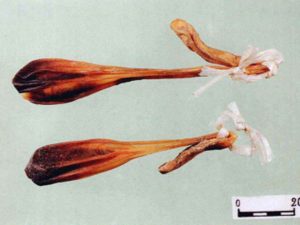
Commentary
Rose buds (Mei-gui-hua) act as the chief herb; warm and sweet, slightly bitter in character, its action follows the Liver, Spleen meridians, working chiefly to regulate qi and relieve depression. Rose petals (Mei-gui-hua) join as the supporting deputy, sweet, slightly bitter-warm in property, acting through the Liver, Spleen meridians to regulate qi and activate blood. Trumpet vine flowers (Ling-xiao-hua) reinforce this deputy action, working to clear heat, cool blood and activate blood. Among the assistants, osmanthus flowers (Gui-hua) (warm the lung, disperse cold and resolve phlegm) while an appropriate amount of brown sugar (warm the middle and activate blood). Without a separate harmonizing herb, the herbal tea formula balance is achieved through the mutual tempering of its active ingredients. Taken together these herbs promote blood circulation and remove blood stasis, regulate qi and relieve pain, in keeping with the blood pattern.