
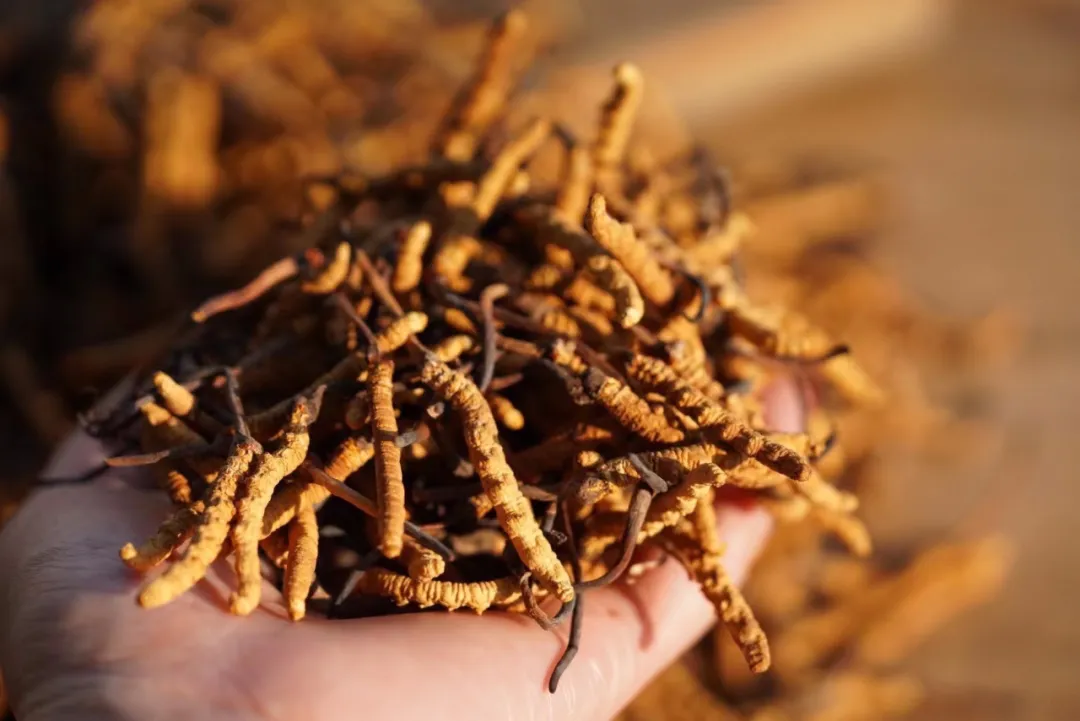
Tibetan cordyceps (Ophiocordyceps sinensis), also known as Yarsagumba, is a precious wild plateau herbal resource native to high‑altitude alpine meadows of the Qinghai‑Tibet Plateau. Nagqu in Xizang and Yushu in Qinghai are globally‑recognised core Daodi producing zones. Yet the cordyceps market suffers widespread counterfeiting, origin‑mixing, sulphur‑fumigated goods and misrepresented “direct‑from‑origin” marketing. Many buyers struggle to distinguish genuine wild Tibetan cordyceps from imitations or low‑altitude substitutes. This guide explains reliable purchasing channels, critical verification steps and major pitfalls to avoid when sourcing authentic Tibetan cordyceps.
Trusted Purchasing Channels
- Licensed professional TCM / herbal pharmacies Authorised brick‑and‑mortar TCM pharmacies and large‑chain herbal retailers are one of the safest entry‑level options. Reputable pharmacies maintain supplier audits and keep filing records for incoming batches. Buyers can request product specification sheets and inspection reports. Note that selection of high‑grade origin‑specific lots may be limited.
- Official brand flagship stores (online & offline) Choose flagship outlets of established domestic herbal brands with complete import‑export and wild‑plant trading permits. Genuine source‑focused brands can specify exact township‑level producing locations (e.g. Baqing County, Biru County in Nagqu; Zaduo County in Yushu), rather than only vague slogans such as “Tibetan cordyceps”. Many qualified brands provide one‑item‑one‑QR‑code traceability for GI‑certified batches.
- Specialised qualified wholesale suppliers for B‑buyers For enterprise, laboratory or large‑volume procurement, work with suppliers holding complete sets of official documentation: wild‑plant acquisition permits, business licences, geographical‑indication usage authorisation and third‑party lab test reports. B‑end clients may submit official business letters for reviewing sourcing ledgers or booking field visits to plateau purchasing stations.
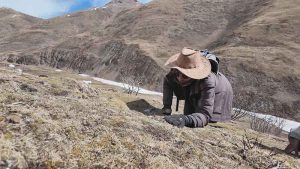
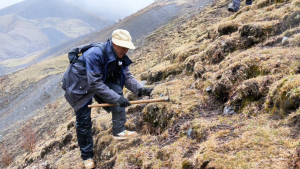
Important reminder: Private individual tourists are not permitted to enter closed grassland harvesting zones in Nagqu or Yushu for on‑site picking or unregulated private transactions with herders, due to local wildlife‑protection and grassland‑management regulations.
Must‑Check Qualifications & Provenance Verification
Wild Ophiocordyceps sinensis is listed as China Class‑II protected wild plant, so legitimate sales require formal permits. Do not purchase goods without valid documentation.
- Origin granularity check Reject sellers who only mention broad region labels (“Tibet cordyceps”, “Qinghai cordyceps”). Reliable suppliers can name specific counties and townships within Nagqu or Yushu core producing areas. Beware merchants selling low‑altitude Sichuan / Gansu cordyceps falsely labelled as Nagqu / Yushu Tibetan cordyceps.
- Key official documents to request ‑ Business licence with relevant herbal‑trading scope ‑ Wild‑plant collection & acquisition permits ‑ Geographical‑indication product usage credentials (Nagqu Cordyceps / Yushu Cordyceps GI marks) ‑ CMA‑ or CNAS‑accredited third‑party test reports, covering adenosine content, sulphur‑dioxide residues, heavy‑metal and microbial safety indicators.
- Traceability mechanism Prefer products with unique QR traceability labels recording harvesting location, harvester‑related information, harvest season and inspection data. Note that legitimate grassland‑cooperation contracts often contain sensitive GPS coordinates and commercial pricing data, and will not be fully released to general consumers; reputable vendors will offer clear alternative verification routes instead of merely hiding behind “commercial confidentiality” excuses.
Common Market Pitfalls To Avoid
- Fake “direct‑from‑grassland” marketing Numerous online merchants claim “own grassland direct supply”, yet cannot give concrete township names or provide verifiable audit pathways. These are frequently intermediate resellers without upstream source control.
- Sulphur‑fumigated cordyceps Sulphur‑treated cordyceps show unnaturally bright pale‑yellow colour and carry sharp sour‑chemical odour. Long‑term intake of sulphur‑residue goods creates health risks. Authentic wild Tibetan cordyceps delivers mild mushroom‑like or butter‑grease‑like natural aroma.
- Confusing cultivated substitutes with wild Tibetan cordyceps Distinguish wild Ophiocordyceps sinensis from artificially‑cultivated Cordyceps militaris (蛹虫草 /mycelium products). The latter is a different species and cannot be sold under the name wild Tibetan cordyceps.
- Unrealistically low‑priced premium‑grade lots High‑altitude prime‑harvest Tibetan cordyceps carries high production and manual‑harvest costs. Extremely cheap “premium Nagqu cordyceps” is almost always adulterated, mixed‑origin or counterfeit goods.
Preliminary Visual & Sensory Identification (For Supplementary Reference Only)
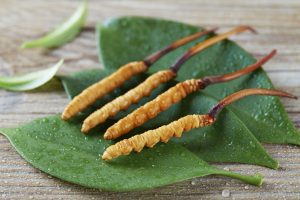
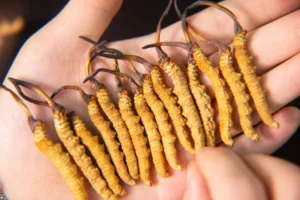
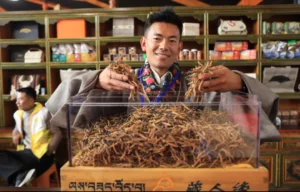
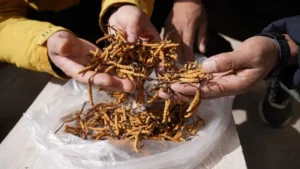
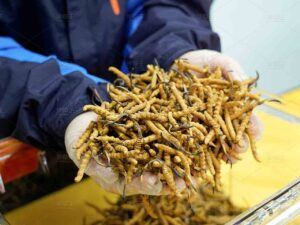
Visual checking serves only as auxiliary screening; final confirmation relies on lab testing and official traceability data. ‑ Nagqu (Xizang) Tibetan cordyceps: clean golden‑yellow caterpillar body, brown insect eyes, short sturdy stroma, rich butter‑grease fragrance. ‑ Yushu (Qinghai) cordyceps: yellow‑brown body, yellow‑coloured insect eyes, dense compact texture, distinct mushroom‑like scent. ‑ Genuine specimens show orderly insect feet and clear ring textures on caterpillar segments; broken stroma cross‑section appears hollow and off‑white. Counterfeit moulded imitations display blurred texture, unnatural weight and earthy‑gritty taste when chewed.
Disclaimer: This buying‑guide provides product‑sourcing reference only, not medical advice. Cordyceps is a herbal raw‑material; please consult qualified TCM practitioners before consumption.
Conclusion
Buying authentic Tibetan cordyceps demands more than trusting advertising slogans. Prioritise legally‑qualified vendors with concrete township‑level origin information, third‑party safety testing and workable traceability channels. Stay alert to too‑good‑to‑be‑low pricing, vague origin descriptions and sulphur‑fumigated counterfeits. For high‑value purchases, combine visual inspection with laboratory verification to guarantee you receive genuine high‑altitude wild Ophiocordyceps sinensis.
Great write-up! I’ve been burned before by “direct-from-origin” sellers who were clearly mixing in cheap substitutes. Now I only buy from vendors who can show the exact county of harvest and do a third-party DNA test. Nagqu and Yushu really are the gold standard
「正嘢難求啊!那曲、玉樹就認得,但市面假貨、混產地、硫磺燻嘅乜都嚟,真係買唔落手。與其信「直銷源頭」,不如搵信得過嘅老字號,最好有檢測報告。但願大家唔好貪平,寧願貴少少買真貨,食得
정품 동충하초 구별이 정말 어렵죠. 나취나 위수 같은 산지 표시만 믿기 어렵고, 훈증이나 가짜 섞는 경우도 많다니 조심해야겠어요. 저도 예전에 직거래라고 샀다가 속은 적 있어서, 요즘은 믿을 만한 데 찾는 게 제일 중요하다고 느껴요. 좋은 정보 감