Pond Catfish is the name of a traditional Chinese medicinal material. It consists of the meat of Clarias fuscus (Lacepede), a fish belonging to the family Clariidae. It is believed to benefit the kidneys, regulate the middle jiao, nourish the blood, and stop bleeding. It is primarily used to treat physical weakness resulting from chronic illness, soreness and pain in the lower back and knees, malnutrition in children, asthma, nosebleeds, and irregular menstruation.
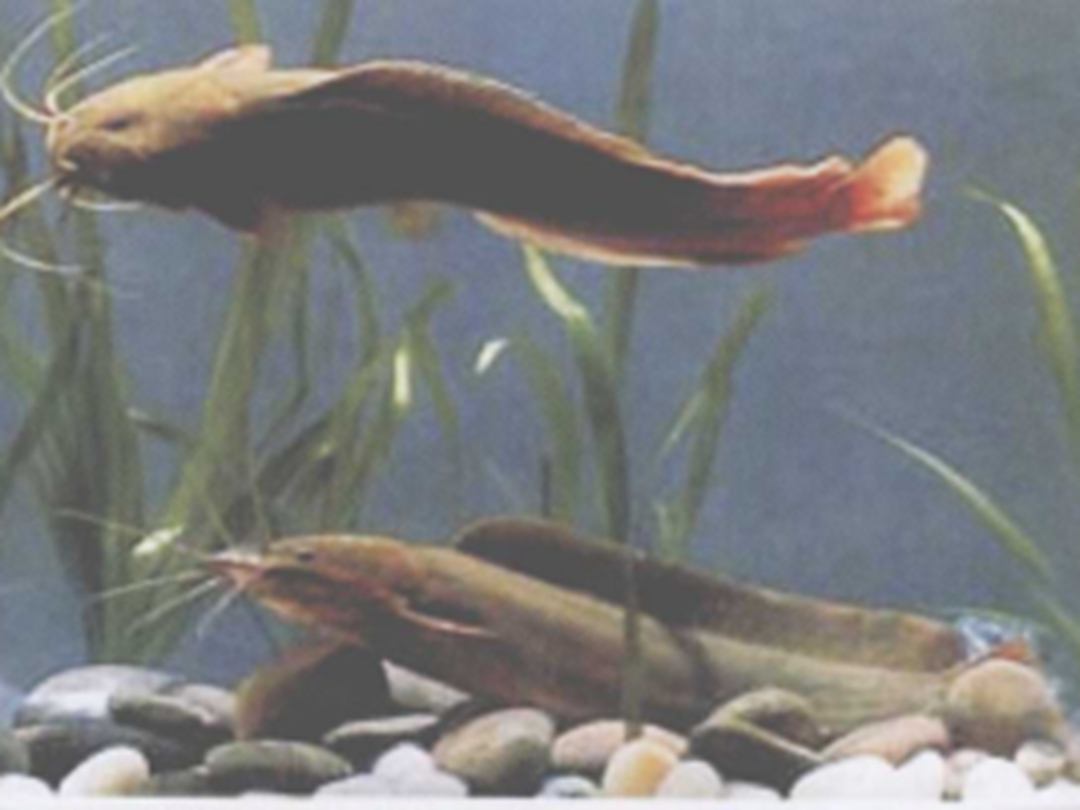
Pond Lice Fish
Pond Catfish is the name of a traditional Chinese medicinal material. It consists of the meat of Clarias fuscus (Lacepede), a fish belonging to the family Clariidae. It is believed to benefit the kidneys, regulate the middle jiao, nourish the blood, and stop bleeding. It is primarily used to treat physical weakness resulting from chronic illness, soreness and pain in the lower back and knees, malnutrition in children, asthma, nosebleeds, and irregular menstruation.
Chinese Name : 塘虱鱼
Aliases : Horned Catfish, Dark-spined Catfish, Bearded Catfish, Whiskered Catfish, Mud Catfish, Pond Horned Catfish
Nature, Flavor & Meridian Tropism : Sweet in taste, neutral in nature; enters the Kidney, Lung, and Stomach meridians
Benefits & Efficacy
Benefits
Nourishes the kidneys, regulates the middle burner, nourishes the blood, and stops bleeding.
Indications
Chronic illness-induced physical weakness, soreness and pain in the lower back and knees, childhood malnutrition, asthma, nosebleeds, and irregular menstruation.
Usage and Dosage
Internal use: Boil and eat, 100–200 g.
Chemical Constituents
Pond lice fish contain pepsin, chymotrypsin, and trypsin. It also contains unsaturated fatty acids, primarily docosahexaenoic acid (DHA) and eicosapentaenoic acid (EPA).
Relevant Discussions
1. *Ben Cao Qiu Yuan*: “Nourishes the blood, tonifies the kidneys, harmonizes the middle burner, and invigorates yang. Treats soreness and pain in the lower back and knees.”
2. *Medicinal Animals of Guangxi*: “Treats malnutrition and asthma.”
3. *Poisonous and Medicinal Fish of China*: “Nourishes the blood and tonifies deficiency.”
4. *Compendium of Medicinal Animals of China*: “Primarily treats chronic malaria with physical weakness, epistaxis, nosebleeds, jaundice, deficiency-heat, and promotes wound healing.”
Applications
Related Compatibility
1. For malaria, chronic malaria that does not heal, and physical weakness: 90 g of bearded catfish, 60 g of black beans, 10 red dates, and 1 slice of dried tangerine peel. Boil until cooked and consume the mixture along with the residue. (*Toxic and Medicinal Fish of China*)
2. For pediatric malnutrition: ① 30 g of pond catfish, 9 g each of Monotropa uniflora and Polygonum cuspidatum.Grind the latter two ingredients into a powder, mix with the pond catfish, add a small amount of oil and salt, and steam until cooked. Eat. (*Medicinal Animals of Guangxi*) ② 250g bearded catfish, an appropriate amount of chicken gizzard. Steam together and eat once cooked. (*Common Medicinal Animals*)
3. For jaundice and chronic hepatitis: 250g bearded catfish, 90g mung beans, 3g dried tangerine peel.Boil with water until thoroughly tender and consume; eat 3 times per week. (*Poisonous and Medicinal Fish of China*)
4. For asthma: 1 pond catfish. Make a small incision in the fish’s belly, insert 3g of the rhizome of *Phytolacca decandra* into the belly, and steam until cooked. Add a small amount of a child’s urine before eating; take once daily for a 7-day course of treatment.
5. For women with prolonged, unresolved amenorrhea resulting in weight loss: 120g of pond-corner fish, 10 pearl pomegranate flowers. Add oil and salt, simmer together, and consume 4–5 times per month. (Recipes 4–5 are from *Medicinal Animals of Guangxi*)
6. For nosebleeds: Several bearded catfish, gutted and washed; 50g black beans. Boil together until cooked and consume; or several bearded catfish, gutted and washed; 150g glutinous rice. Cook the glutinous rice as usual; when the rice is nearly done, place the fish on top and cook until both are done, then consume. (*Common Medicinal Animals*)
7. For treating deficiency-heat syndrome (dizziness, palpitations, bleeding, dry mouth, heat in the palms and soles, irritability, insomnia): 60g of bearded catfish and 60g of black beans. Decoct into a soup and consume. (*Poisonous and Medicinal Fish of China*)
Processing & Preparation
Harvesting & Processing
Can be caught year-round. After catching, place in a clean water tank and change the water once daily. When preparing, remove the internal organs through the gill openings, rinse thoroughly, and use fresh.
Crude Drug Identification
Botanical Information
Morphological Characteristics
The body is elongated, measuring approximately 14 cm in length. The anterior portion is flat, while the posterior portion is laterally compressed. The head is flat and broad, with the top covered by a membrane; the posterior part of the skull protrudes, forming a triangular shape with a rounded tip. The mouth is wide and subterminal; the snout is broad, short, and protruding. The eyes are small and possess mobile eyelids. There are two nostrils on each side; the anterior nostril is a short tube located near the tip of the snout. The upper jaw is protruding. The lips are thick, and the labial groove is distinct.Teeth are small and fine. There are 4 pairs of barbels: 1 pair on the upper jaw (the longest), 1 pair on the nose, and 2 pairs on the lower jaw (slightly shorter); the gill rakers are slender and elongated. The dorsal fin consists of 58–62 rays, lacks spines, has a very long base, and its tip connects to the caudal fin. The pectoral fin consists of 1, 7–8 rays, is rounded, and has 1 spine.The pelvic fins consist of 6 rays, extending to the origin of the anal fin. The anal fin has 39–43 rays; its origin is immediately adjacent to the anus, its base is very long, and its tip opposes the tip of the dorsal fin. The caudal fin is rounded and fan-shaped. The body is smooth and scaleless, with a lateral line. The body is brownish-black, with a paler abdomen. All fins are grayish-black.
Distribution Area
Found in rivers and lakes throughout southern China.