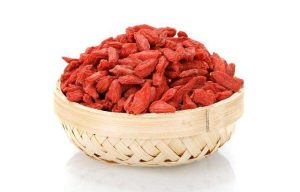
Are goji berries and wolfberries the same? As a herbal pharmacist, I break down naming origin, botanical identity, common confusion, varieties, quality differences and FAQs.
Many shoppers and supplement users get confused by the names goji berry and wolfberry. They see both labels on dried berries, teas and extracts and wonder whether they are separate plants or simply different names for the same fruit. The short answer: Goji berries and wolfberries refer to the same fruit, but subtle naming conventions and species differences create common misunderstandings.
Botanical Background
Wolfberry is the traditional common English name for fruit from plants in the Lycium genus. Two primary commercial species:
- Lycium barbarum: The most widely sold goji / wolfberry. This is the Ningxia cultivar, the premium, well-researched variety used for supplements containing LBP (Lycium barbarum polysaccharides). This is what most people mean when they say “goji berries.”
- Lycium chinense: Also a type of wolfberry, often harvested in other regions. It contains polysaccharides but typically has lower LBP concentration than Lycium barbarum.
The term goji comes from a phonetic rendering of the Chinese name gǒu qǐ (枸杞). As goji berries became popular in Western wellness markets in the 1990s and 2000s, marketers popularized “goji berry” as a consumer-friendly brand name, while “wolfberry” remains the older, more formal botanical common name.
Key Distinctions to Watch For
While the names refer to the same genus fruit, not all wolfberry products are equal:
- When wellness brands say “goji berry”, they almost always mean Lycium barbarum, high LBP Ningxia origin.
- “Wolfberry” can refer to either Lycium barbarum OR Lycium chinense. Some cheaper bulk wolfberry is Lycium chinense with less polysaccharide content.
- Candy, juice or cheap imported wolfberry products may contain added sugars, preservatives or low-grade fruit, even if botanically wolfberry/goji.
Active Compounds
Lycium barbarum polysaccharides (LBP) are the primary bioactive compounds. LBP levels are the main factor separating premium goji from lower-grade wolfberry. Other shared nutrients: zeaxanthin, lutein, beta-carotene, flavonoids (quercetin, rutin), zinc, selenium, amino acids and antioxidants. The nutritional profile is similar across species, but Lycium barbarum has higher LBP, making it preferred for herbal supplement use.
Real Client Case
A client came to me confused after buying two products: one labeled wolfberry and one labeled goji berry. She assumed wolfberry was a different plant. The wolfberry package was Lycium chinense, while the goji was Ningxia Lycium barbarum. Both safe to eat, but the goji berry product had higher LBP concentration for antioxidant and eye support. I advised checking the botanical Latin name on labels when buying for therapeutic use.
Clinical Research & Industry Data
Nearly all modern human research on goji berry benefits (eye health, immune function, stress resilience, endothelial protection) uses Lycium barbarum. Studies labeled wolfberry in older literature refer to this same species.
Important reality check: Same genus, but species and growing origin impact potency. “Wolfberry” does not automatically equal premium Ningxia goji. Always check the Latin botanical name on packaging if you are buying for therapeutic purposes.
Recommended Dosage
The dosage is identical, no matter if the label uses goji or wolfberry:
- Dried berries: 10–12 grams daily
- Standardized LBP extract: 500–1000mg daily
- Do not exceed 20g daily due to natural fruit sugar.
Safety Notes & Herb-Drug Interactions
Safety risks are identical for goji and wolfberry, since they are botanically related:
- Blood thinners (warfarin): may raise bleeding risk, consult your doctor
- Antihypertensive medications: can enhance blood pressure lowering
- Diabetes medication / insulin: may reduce blood glucose, monitor closely
- Pregnancy: avoid high-dose supplementation; small culinary portions cleared by OB/GYN
- Allergy: rare, but people sensitive to nightshade family plants may have reactions
Disclaimer: Goji berries / wolfberries are nutritional botanical supplements, NOT prescription medication. They cannot replace medical treatment. This educational content does not substitute professional advice from your primary care provider.
Frequently Asked Questions
Q: Is there any health difference between goji and wolfberry?
A: They are the same fruit category. The difference is mostly marketing and species. Lycium barbarum (goji) has higher LBP than Lycium chinense wolfberry.
Q: Are goji berries in the nightshade family?
A: Yes, Lycium belongs to the Solanaceae (nightshade) plant family, same as tomatoes, potatoes and peppers.
Q: Can I swap wolfberry for goji berry in recipes and supplements?
A: Yes, if the Latin name is Lycium barbarum. If it is Lycium chinense, it still works as food but has lower polysaccharide potency.
Q: Why do brands use two different names?
A: “Goji berry” is a modern wellness marketing name; “wolfberry” is the older traditional English common name.