
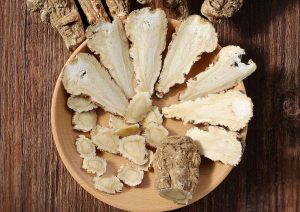
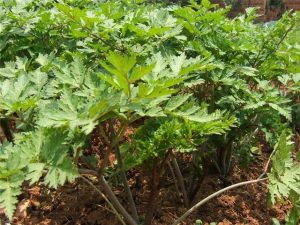
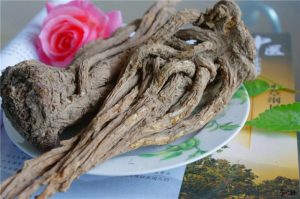
Dong Quai (Angelica sinensis) is one of the most widely discussed female herbal ingredients, and a common user question is: does dong quai raise actual blood estrogen levels? The short answer: pure dong quai generally does not directly increase circulating serum estrogen in human blood. It exhibits selective phytoestrogen‑receptor binding, instead of stimulating the body to produce more estrogen hormone.
Core Mechanism
- Not true estrogen source Dong quai contains ligustilide, ferulic acid, polysaccharides and plant sterols. It does not contain estradiol or other human‑identical estrogen molecules. Multiple human clinical trials show taking dong quai alone does not cause measurable rises in blood estradiol concentration. It cannot make your ovaries secrete more estrogen.
- Selective estrogen‑receptor modulator‑like effect (bidirectional receptor competition) Its weak phytoestrogen‑like compounds bind to estrogen receptors in body tissues:
- When endogenous estrogen is low (perimenopause / menopause): plant molecules occupy estrogen receptor sites and produce mild estrogen‑mimicking tissue effects, easing hot flashes, vaginal dryness symptoms. But serum estrogen lab values usually stay unchanged.
- When endogenous estrogen is high (estrogen dominance): plant constituents compete for receptor occupancy, partially block excess human estrogen from triggering tissue responses, which helps relieve pre‑menstrual breast tenderness.
Important distinction:
✅ Tissue‑level estrogen‑like activity (relieve discomforts)
❌ Does not equal raising blood circulating estrogen hormone levels.
- Indirect improvement via better ovarian blood perfusion Ligustilide improves pelvic and ovarian micro‑circulation. For women with poor ovarian blood supply, optimized ovarian function may help the organ produce hormone more normally. This is physiological regulation, not dong quai directly boosting estrogen output.
Common Misconception
Many users mix dong quai with other phytoestrogen herbs such as black cohosh, red clover, soy isoflavones. Those ingredients may shift estrogen‑related biomarkers. Dong quai itself is relatively weak in direct estrogen‑stimulating potency.
Who Should Be Cautious Even Without Raising Serum Estrogen
Even though dong quai does not raise blood estrogen readings, its receptor‑binding property still carries theoretical risk for estrogen‑sensitive tissues:
- History of estrogen‑dependent cancers: breast cancer, endometrial cancer, ovarian cancer — avoid dong quai.
- Large uterine fibroids, endometrial hyperplasia: receptor stimulation may theoretically fuel tissue growth, self‑medication is not allowed.
- Concurrent hormone replacement therapy (HRT), birth‑control pills: additive receptor‑acting effects may trigger spotting, breast soreness. Consult doctor before combining.
Observed Real‑World Symptoms Users May Notice
- Menopausal women: vaginal moisture improves, hot flash frequency lessens, yet blood estrogen test results show no elevation.
- Some people may get breast tenderness after taking dong quai: this is local receptor response, not a sign that total blood estrogen has gone up. If breast soreness occurs, lower dosage or pause use.
Practical Usage Tip
- Avoid continuous year‑round daily intake; adopt cyclic use: 10‑14 days on, 5‑7 days off.
- If you do hormone blood tests, you may stop dong quai 3‑5 days before sampling; it will not distort estradiol lab results.
Summary
Dong quai does not increase circulating blood estrogen levels. It delivers mild bidirectional tissue‑level effects by binding to estrogen receptors. It relieves low‑estrogen menopausal complaints without elevating serum estradiol. Still, people with estrogen‑sensitive tumors or lesions must avoid it due to receptor‑interaction risks.


บทความนี้อธิบายได้ชัดเจนดีค่ะ ตัวดองควายไม่ได้เพิ่มฮอร์โมนเอสโตรเจนในเลือดโดยตรง แต่ไปจับกับตัวรับแบบเลือกสรรมากกว่า เคยมีคนบอกให้กินแก้ฮอร์โมนต่ำ บทความนี้ช่วยให้เข้าใจมากขึ้นค่ะ ขอบคุณสำหรับ