
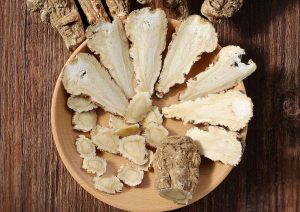
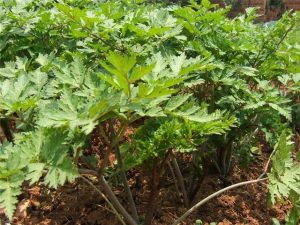
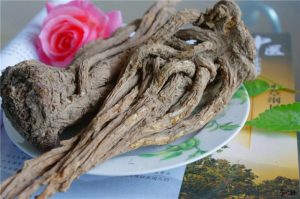
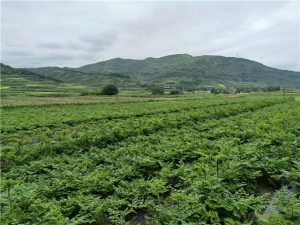
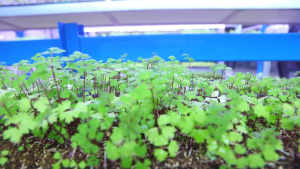
Dong Quai (Angelica sinensis) is the primary blood-tonifying herb in traditional Chinese herbalism, widely used to support mild-to-moderate iron-deficiency anemia and blood deficiency caused by chronic blood loss.
Important clarification: Dong quai contains minimal elemental iron. It does not directly supply iron; it improves the body’s ability to utilise nutrients, supports hematopoiesis, and alleviates symptoms associated with low blood status. Severe iron deficiency requires standard iron supplementation.
Core Mechanisms
- Promote blood generation (TCM: tonify blood) Dong quai supports hematopoietic function in bone marrow. It enhances the utilisation of nutrients needed to produce red blood cells, improving hemoglobin recovery alongside dietary iron intake.
- Regulate circulation and oxygen delivery Ligustilide improves systemic microcirculation. When blood volume is low, sluggish circulation worsens fatigue, dizziness and cold extremities. Improved perfusion helps tissues receive more oxygen.
- Stop excessive blood loss indirectly Many female anemia cases stem from heavy menstruation, postpartum bleeding. When formulated appropriately, dong quai balances uterine function to reduce chronic excessive menstrual loss (requires pairing with qi-tonifying herbs like astragalus).
- Relieve anemia-related somatic symptoms Blood deficiency symptoms: persistent fatigue, pale complexion, pale lips/nails, dizziness, palpitations, shortness of breath, insomnia, cold hands and feet. Dong quai alleviates these constitutional complaints.
Suitable Anemia Profiles
✅ Best responding scenarios
- Mild–moderate iron-deficiency anemia in women: heavy periods, postpartum blood loss, perimenopausal irregular bleeding.
- Anemia accompanied by irregular menstruation, scanty or heavy clotty cycles, pelvic cramping.
- Persistent fatigue, dizziness, palpitations, cold limbs, poor exercise tolerance linked to low hemoglobin.
- Anemia after illness, surgery or prolonged poor nutrition.
❌ Limited benefit or caution needed
- Severe anemia (very low hemoglobin levels): dong quai is only adjunct support; medical iron therapy is essential.
- Non-iron deficiency anemia (B12 deficiency, hemolytic anemia, bone marrow disorders): requires targeted medical treatment.
- Active uncontrolled heavy bright-red bleeding (without professional formulation): raw dong quai’s blood-moving action may worsen ongoing loss.
- Chronic diarrhea: dong quai has mild laxative properties and may reduce nutrient absorption.
Recommended Usage Protocol
Dong quai works best with qi tonics. The classic formula Danggui Buxue Tang (Dong quai + Astragalus) is the gold standard for anemia.
Basic daily dosage
Dong quai: 2–3 g daily, ideally consumed via slow-cooked soup for gentler absorption.
Two primary recipes
- Danggui Buxue Tang (first choice for anemia) Dong quai 2 g + Astragalus 10 g. Simmer with chicken or bone broth. Astragalus boosts qi, which drives blood production — significantly improves anemia recovery outcomes.
- Basic nourishing soup Dong quai 2.5 g + red jujubes + wolfberry. Supports mild blood deficiency and dryness symptoms.
Cycle guidance for women with menstrual cycles
- Follicular phase (after period ends): daily supplementation ideal for building blood stores.
- Menstruation:
- Scanty, dark clotty flow: low dose permitted for first 1–2 days.
- Heavy bleeding: pause dong quai during menstruation to avoid increasing blood loss.
Complementary Lifestyle Advice
- Pair with iron-rich foods: leafy greens, red meat, organ meats, lentils.
- Add vitamin C sources (citrus, bell pepper) to boost dietary iron absorption.
- Limit excessive coffee/tea with meals, as tannins inhibit iron uptake.
Contraindications & Safety Warnings
- Pregnancy: avoid dong quai.
- Anticoagulant medication (warfarin, regular high-dose aspirin): increased bleeding risk.
- If you experience loose stools, reduce dosage or switch to less frequent soup consumption.
- Regular blood work monitoring is recommended to track hemoglobin levels. Do not replace prescribed iron supplements with dong quai alone for confirmed iron deficiency anemia.
Expected Timeline
Improvement in energy levels, less dizziness and warmer extremities often appear within 2–3 weeks.
Measurable upward trend in hemoglobin generally requires 6–8 weeks of consistent supplementation combined with adequate dietary iron.
Summary
Dong quai supports recovery from mild-to-moderate anemia, especially blood loss anemia common in women. It enhances blood formation and eases deficiency symptoms; it is most effective when combined with astragalus. It cannot act as a replacement for iron supplements in severe deficiency and must be used cautiously during heavy menstruation.
這篇文章說得真清楚!我一直以為當歸補血是因為
這