
Oxidative stress arises from an imbalance between free radical production and endogenous antioxidant defenses in the brain. Excess reactive oxygen species (ROS) attack brain neurons, vascular endothelium, cell membranes and mitochondrial structures, triggering neuronal aging, neuroinflammation, apoptosis and cognitive damage. Chronic stress, aging, ischemia, poor sleep, hyperglycemia and heavy mental work will exacerbate cerebral oxidative stress, accelerating brain atrophy, memory loss, neurodegeneration and fatigue.
Common synthetic antioxidants have limited ability to cross the blood-brain barrier and may disrupt internal antioxidant balance with long-term use. Active substances inside Gastrodia elata (gastrodin, parishin, gastrodia polysaccharides, vanillyl alcohol) readily penetrate the blood-brain barrier, activate the brain’s intrinsic antioxidant system, scavenge free radicals, shield mitochondria and neurons from oxidative damage, achieving natural cerebral anti-oxidation and brain protection.
Core Antioxidant & Brain-protecting Effects
- Scavenge excess free radicals inside brain tissue directly Gastrodin and gastrodia polysaccharides eliminate superoxide anions, hydroxyl radicals and lipid peroxides accumulated in the cerebral cortex, hippocampus and cerebrovascular walls, cutting oxidative sources that erode nerve cells and vascular endothelium.
- Up-regulate endogenous antioxidant enzyme activity Promote the synthesis and activity of superoxide dismutase (SOD), glutathione peroxidase (GSH-Px) and catalase (CAT) in the brain. Instead of supplementing external antioxidants, it awakens the brain’s self-antioxidant capacity and maintains long-term redox balance.
- Protect neuronal mitochondria from oxidative injury Mitochondria are the primary sites of ROS generation in neurons. Gastrodia ingredients stabilize mitochondrial membrane potential, prevent mitochondrial swelling and rupture caused by oxidation, reduce energy failure of nerve cells, and slow neuronal aging and death.
- Alleviate oxidative lipid peroxidation of brain cell membranes Reduce malondialdehyde (MDA) levels in brain tissue, prevent oxidative damage to the lipid bilayer of neuron membranes, maintain the integrity of nerve cell structure and normal signal transmission function.
- Block oxidative stress-induced neuroinflammatory cascade Oxidation activates microglia and triggers the NF‑κB inflammatory pathway. Gastrodia breaks the vicious cycle: oxidative stress → neuroinflammation → more free radicals, simultaneously resisting oxidation and inflammation to protect the hippocampal memory area.
- Relieve cerebral ischemia-reperfusion oxidative damage Improve cerebral microcirculation while suppressing explosive ROS release after blood reperfusion, reduce oxidative injury to brain tissue in mild cerebral ischemia, stroke rehabilitation and cerebral arteriosclerosis crowds.
- Slow age-related brain oxidative aging Delay hippocampal neuronal aging caused by long-term oxidation, preserve memory and learning function, relieve brain fatigue, brain fog and forgetfulness caused by overwork and oxidation.
Applicable Crowds
- Elderly people with cerebral arteriosclerosis, frequent brain fatigue and progressive memory decline caused by age-related cerebral oxidation.
- Office workers, students and intellectuals with long-term mental overload, brain fog, dizziness and sluggish thinking.
- Stroke survivors and people with mild vascular cognitive impairment who need anti-oxidation brain protection during rehabilitation.
- Individuals staying up late for a long time, suffering chronic stress and persistent cerebral oxidative stress sub-health state.
- Diabetic patients: high blood sugar easily generates excess free radicals to damage brain nerves; gastrodia assists in reducing diabetic cerebral oxidative injury.
- Populations pursuing anti-brain-aging to prevent degenerative brain lesions.
Unsuitable Groups
- Severe hypotension patients: mild vasodilation effect may combine with antioxidant regulation to cause dizziness and fatigue.
- People allergic to gastrodia, pregnant women and children under 6 years old without professional guidance.
- Spleen-deficient people with chronic loose stools: prolonged single consumption may aggravate diarrhea.
- Patients with severe liver and kidney failure: need to control dosage under doctor’s supervision to avoid metabolic burden.
Dual Mechanism: TCM Theory & Modern Pharmacology
Traditional Chinese Medicine Principle
Brain aging and mental fatigue caused by oxidative stress correspond to liver-yang hyperactivity, liver wind stirring internally, brain marrow insufficient nourishment. Long-term mental strain and staying up late consume liver yin, generate internal heat, produce “dryness-heat fire toxin” equivalent to free radicals in modern medicine, burning brain marrow and causing mental decline.
Gastrodia elata calms liver yang, extinguishes liver wind, nourishes yin to clear heat, removes internal dry-heat pathogenic factors, dredges cerebral collaterals so qi and blood continuously nourish brain marrow, fundamentally reduce oxidative damage to the brain.
Modern Pharmacological Mechanism
- Dual free radical clearance system: small-molecule gastrodin directly neutralizes ROS; gastrodia polysaccharides bind lipid peroxides to terminate lipid peroxidation chain reactions in the brain.
- Activate Nrf2/ARE antioxidant pathway: this is the core endogenous antioxidant pathway of the human body. Gastrodin activates Nrf2 protein translocation into the nucleus, starts the expression of antioxidant enzyme genes (SOD, GSH-Px), strengthens the brain’s autonomous antioxidant defense system.
- Stabilize hippocampal neurons: inhibit oxidative stress-mediated Bax upregulation and Bcl‑2 downregulation, reduce neuronal apoptosis induced by oxidation, protect the hippocampus which is closely related to memory.
- Protect cerebral vascular endothelial cells from oxidation: reduce oxidative damage to vascular endothelium, slow cerebral vascular sclerosis, maintain smooth cerebral blood supply and further lower secondary oxidative stress caused by cerebral ischemia and hypoxia.
- Synergize GABA regulation: increase brain inhibitory neurotransmitter GABA, relieve nervous excitement caused by stress, cut stress-induced excess ROS production in the brain.
Usage Methods for Cerebral Antioxidation
1. Common preparations
- Gastrodin Tablets / Capsules: daily basic formula for anti-oxidation, brain nourishment and relief of brain fatigue.
- Tianma Gouteng Granules: suitable for people with brain oxidation accompanied by irritability, hypertension and dizziness.
2. Raw gastrodia daily maintenance
- Superfine gastrodia powder: 1 g per day, taken with warm water in the morning; adults shall not exceed 1.5 g daily.
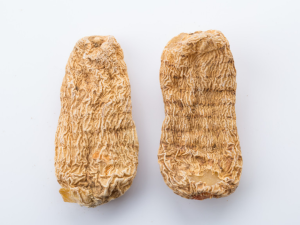
- Gastrodia slices 3 g brewed into hot tea for daytime drinking.
- Usage cycle: take continuously for 14 days, pause for 3–5 days to avoid bodily adaptation and retain the brain’s original antioxidant regulation function.
Safety Precautions
- Daily safe dosage: dried gastrodia 3–10 g for tea or soup; gastrodia powder 1–1.5 g/day. Excessive intake over 40 g may lead to fatigue, lethargy and gastrointestinal discomfort.
- Gastrodin is heat-sensitive: when stewing soup, add gastrodia in the last 10–15 minutes to prevent high-temperature destruction of antioxidant active ingredients.
- If taking antioxidant health products such as vitamin E concurrently, appropriately reduce the dosage of each to avoid excessive antioxidation.
- Gastrodia is auxiliary anti-oxidation health care material, cannot replace therapeutic drugs for neurodegenerative diseases such as Alzheimer’s disease. If severe amnesia, disorientation occurs, go to the neurology department for examination.
- People with allergies should perform a sensitivity test with 0.5 g gastrodia powder before formal use.
Antioxidant Brain-nourishing Medicinal Tea & Therapeutic Diet
1. Gastrodia Wolfberry Antioxidant Brain Tea (brain fatigue, forgetfulness from mental labor)
Ingredients: Gastrodia slices 3 g, wolfberry 5 g, chrysanthemum 2 g
Practice: brew with boiling water, steep for 20 minutes, drink during the day.
Efficacy: activate cerebral antioxidant enzymes, relieve oxidative brain fatigue and blurred vision caused by long screen use.
2. Gastrodia Walnut Steamed Egg (daily anti-brain-aging conditioning)
Ingredients: 5 g gastrodia decocted and filtered to get medicinal liquid, 1 walnut kernel, 1 egg
Practice: mix medicinal liquid with egg liquid and steam thoroughly, eat every other day.
Efficacy: combine gastrodia antioxidation and walnut DHA nerve nourishment, protect hippocampal neurons and improve memory.
3. Gastrodia Lotus Seed Lean Pork Soup (oxidative insomnia, mental restlessness)
Ingredients: Gastrodia 7 g, lotus seed 15 g, lean pork 200 g, ginger 2 slices
Practice: simmer pork for 40 minutes, add gastrodia in the final 15 minutes, season with a little salt, twice weekly.
Efficacy: resist cerebral oxidation, calm nerves, improve insomnia caused by oxidative stress and mental hyperactivity.
Conclusion
Most exogenous antioxidants cannot cross the blood-brain barrier effectively, while gastrodia relies on small-molecule gastrodin to smoothly enter brain tissue, exerting two layers of antioxidant protection: directly clearing free radicals and activating the Nrf2 antioxidant pathway to enhance the brain’s self-defense ability.
While resisting cerebral oxidative stress, it also protects cerebral blood vessels, inhibits neuroinflammation and stabilizes nerves, forming a closed-loop protection of “anti-oxidation → reduce inflammation → protect neurons → maintain cognitive function”.
For modern crowds suffering brain aging, brain fatigue and memory loss due to staying up late, stress and mental overwork, intermittent dietary supplementation of gastrodia combined with regular rest can reduce cerebral oxidative damage, delay brain aging and maintain stable mental state and memory ability. It should be emphasized that gastrodia is used for health care and auxiliary protection, and cannot replace clinical treatment for degenerative brain diseases.


天麻對腦部抗氧化真的很有感!現代人壓力