
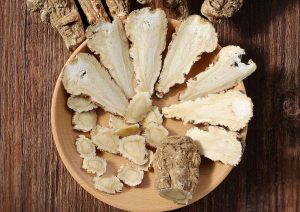
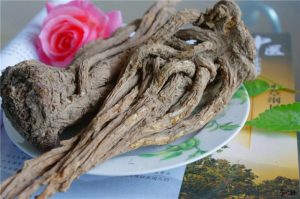
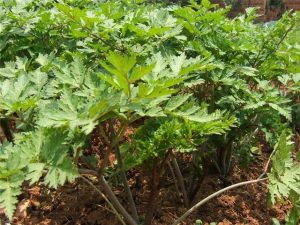
Dong Quai (Angelica sinensis) is one of the most well‑researched traditional botanicals for perimenopause support. Perimenopause brings fluctuating estrogen and progesterone, causing irregular cycles, vasomotor discomfort, mood shifts and somatic complaints. Dong quai does not supply human estrogen directly, but delivers multi‑target auxiliary relief for mild‑to‑moderate perimenopausal discomforts.
Core Mechanisms
- Selective estrogen‑receptor bidirectional modulation Its phytoestrogen‑like compounds bind weakly to estrogen receptors. During perimenopause with erratic hormone levels, it compensates for low‑estrogen tissue effects when hormones drop, and competes for receptor sites to buffer excessive estrogen stimulation during hormone surges. It helps stabilise tissue response without raising overall circulating blood estrogen.
- Improve pelvic and systemic microcirculation Ligustilide enhances blood flow to ovaries, uterus and peripheral tissues. Better ovarian perfusion eases erratic follicle performance; stable vascular reactivity reduces hot flashes, dizziness and palpitations triggered by sudden vasodilation.
- Nourish blood‑yin to relieve deficiency‑related complaints (TCM framework) Many perimenopause complaints stem from gradual blood‑yin depletion: empty‑heat generates hot flashes and night sweats; insufficient blood nourishment leads to fatigue, dry mucosa and sleep fragmentation. Dong quai tonifies blood to ease these deficiency‑driven symptoms.
- Soothe liver‑qi stagnation for stress‑amplified symptoms Hormone volatility worsens emotional sensitivity. Dong quai relieves constrained liver qi, moderates HPO‑axis disturbance caused by stress, easing irritability, anxiety and PMS‑like episodes that persist into perimenopause.
- Modulate inflammatory mediators It lowers excessive prostaglandins and neuro‑inflammatory signals, relieving joint aches, cramping and sleep disruption linked to perimenopausal hormone shifts.
Perimenopause Symptoms That Dong Quai May Support
✅ Well‑responding symptom cluster
- Irregular menstrual cycles: delayed periods, scanty clot‑heavy flow, occasional cycle swings (for blood‑deficiency / blood‑stasis patterns). Not for heavy prolonged bleeding.
- Vasomotor symptoms: mild‑moderate hot flashes, night sweats, facial flushing.
- Emotional changes: mood swings, irritability, tearfulness, mild anxiety.
- Physical discomforts: dizziness, palpitations, persistent fatigue, vaginal dryness, dry skin.
- Persistent PMS‑like complaints: pre‑period breast tenderness, abdominal bloating, uterine cramping.
❌ Situations of limited benefit or risk
- Severe perimenopause symptoms that impair work and sleep: herbal support is secondary; seek clinical evaluation including hormone testing.
- Heavy prolonged bleeding, inter‑spotting: must rule out endometrial hyperplasia, fibroids or other organic lesions before using dong quai. Its blood‑activating property may worsen heavy bleeding.
- Estrogen‑sensitive conditions: breast cancer history, large fibroids, endometrial hyperplasia — avoid self‑medication.
- Thyroid‑driven symptoms: dong quai cannot correct thyroid dysfunction.
Practical Usage Protocol for Perimenopause
Many women still have irregular periods during perimenopause, so follow cycle‑aligned cyclic intake, avoid continuous non‑stop daily use.
1. If you still have menstrual cycles
- Follicular phase (5‑7 days after period ends): Dong quai 2‑3 g daily (tea or soup). Nourish blood, support ovarian function.
- Pre‑menstrual phase (5‑7 days before expected bleed): 2 g daily for hot flashes, mood tension and breast tenderness.
- Menstruation: Stop dong quai for normal‑to‑heavy flow; only tiny 1.5 g dose permitted for first 1‑2 days if flow is very scanty with dark clots.
2. If periods become very infrequent or ceased
Cyclic on‑off routine: take dong quai 2‑3 g per day for 14 days, pause for 7 days, repeat the cycle.
Recommended herbal blends
- Hot flashes, night sweats, insomnia: Dong quai + Lily bulb + Poria cocos
- Irregular cycles + fatigue: Dong quai + Astragalus (Danggui Buxue Tang)
- Mood swings, breast tenderness: Dong quai + Rose buds
Contraindications & Safety Warnings
- Unexplained vaginal spotting or heavy bleeding during perimenopause requires gynecological assessment; do not self‑treat with herbs.
- Anticoagulant drugs (warfarin, aspirin): avoid dong quai, increased bleeding risk.
- Concurrent hormone replacement therapy or estrogen‑containing medication: consult physician before combining, for risk of additive receptor‑related side‑effects.
- Chronic loose stools: dong quai has mild laxative effect; choose cooked soup form and lower dosage.
- Dong quai is adjuvant supportive care, not a replacement for medical treatment.
Expected Timeline
Perimenopause hormone adjustment is gradual. Improvements in sleep stability and energy may appear within 4‑6 weeks; reduction of hot flashes and cycle‑related discomforts usually takes 8‑12 weeks of cyclic consistent use. Individual results vary.
Summary
Dong quai offers multi‑faceted relief for mild‑to‑moderate perimenopause complaints including irregular cycles, hot flashes, mood lability, fatigue and vaginal dryness. Use cyclic on‑off or phase‑aligned dosing. Discontinue during heavy menstrual bleeding. Avoid for people with estrogen‑sensitive diseases.


Interesting read! I’ve been looking into herbal options for my own perimenopause chaos, and dong quai keeps coming up. Good to see it explained clearly—especially that it’s not a phytoestrogen but still helps with mood and hot flashes. Anyone here tried it long-term? Would love to hear real experiences before I ask
“I’ve been curious about Dong Quai for my own