
Astragalus root lung health support has been valued for thousands of years in Traditional Chinese Medicine, and modern research continues to uncover how this powerful adaptogen protects respiratory tissue, eases lung inflammation, and builds long-term resilience for the entire respiratory system. Environmental pollutants, seasonal allergens, viral infections, long COVID, aging, and chronic stress all place continuous strain on the lungs. Many people struggle with mild, persistent respiratory complaints: easy shortness of breath, low exercise stamina, frequent mild coughs, and slow recovery after respiratory illness. Instead of only addressing surface symptoms, astragalus root nourishes lung tissue from within, balances immune activity in the airways, and reduces oxidative damage that weakens respiratory function over time.
Traditional Perspective: Astragalus Strengthens Lung Qi
In TCM theory, astragalus (Huang Qi) is the primary herb for tonifying Lung Qi. Lung Qi governs respiration, defensive immunity, and the movement of oxygen throughout the body. When Lung Qi becomes deficient, common signs emerge: shallow breathing, fatigue after light activity, frequent upper respiratory infections, spontaneous tiredness, and vulnerability to cold wind and allergens.
Unlike expectorant herbs that target acute coughs, astragalus works as a restorative tonic. It does not force out mucus for short-term relief. Its main role is to reinforce the lung’s own defense barrier, so the respiratory tract becomes less susceptible to irritants, pathogens and inflammation. This makes it ideal for long-term maintenance rather than emergency relief for severe acute chest congestion.
Scientific Mechanisms: How Astragalus Supports Lung Health
1. Protects Lung Tissue Against Oxidative Stress
The lungs have constant direct contact with airborne toxins, pollen, pollutants, and viral particles. This ongoing exposure creates high levels of free radicals that damage delicate alveolar tissue. Astragalosides and polysaccharides in astragalus act as potent antioxidants. They raise levels of internal protective antioxidants such as glutathione within lung cells, neutralizing free radicals and slowing tissue degeneration. For people exposed to poor air quality or those recovering from lung injury, this cellular protection is critical.
2. Calms Airway and Pulmonary Inflammation
Low-grade chronic inflammation inside the lungs narrows airways, worsens breathing discomfort and slows healing after infection. Uncontrolled inflammation contributes to persistent tightness, mild coughing and reduced exercise tolerance. Astragalus inhibits overproduction of pro-inflammatory cytokines linked to respiratory inflammation. It soothes irritated airway lining without harsh suppression, supporting balanced inflammatory responses in the respiratory tract.
3. Balances Respiratory Immunity
A large portion of the body’s immune cells line the respiratory tract. Weak immunity leads to repeated sinus and lung infections; overactive immunity drives inflammatory airway reactions. Astragalus functions as an immune modulator: it strengthens defenses against invading pathogens while preventing excessive immune reactions that trigger inflammatory discomfort. This dual benefit explains why many people notice fewer seasonal respiratory issues with consistent astragalus use.
4. Improves Oxygen Utilization and Exercise Endurance
Many individuals with weak lung capacity become winded quickly during walking, climbing stairs or light workouts. Astragalus enhances microcirculation, boosting blood flow throughout lung tissue and supporting efficient gas exchange. Improved circulation helps deliver oxygen more effectively around the body, reducing shortness of breath and raising physical stamina over several weeks of regular supplementation.
5. Aids Recovery After Viral Respiratory Illness
Viral infections including influenza and COVID can leave lasting lung discomfort, reduced endurance and mild breathlessness for months. Post-viral lung weakness often stems from residual inflammation and damaged lung cells. Astragalus accelerates tissue repair, clears lingering low-grade inflammation, and rebuilds depleted energy after respiratory sickness. It is widely recommended as part of post-viral respiratory recovery protocols.
Who Benefits Most From Astragalus Root for Lung Support
- People recovering from viral respiratory infections, including long COVID with lingering breathing issues
- Those who easily get winded during daily activity and have low respiratory stamina
- Individuals prone to repeated seasonal colds, sinus irritation and mild bronchial discomfort
- Anyone regularly exposed to dust, smoke, urban air pollution
- Middle-aged and older adults aiming to maintain long-term respiratory function
- Those experiencing persistent mild cough triggered by tired, vulnerable lungs
Important Distinction: When Astragalus Is Not the First Choice
Astragalus is a tonic herb, not an acute remedy.
If you currently suffer from acute illness: fever, active chest infection, thick yellow phlegm, severe acute cough, hold off on astragalus. Its tonifying nature may trap heat and congestion during active infection. Once the acute phase clears and only weakness and lingering breathing discomfort remain, astragalus becomes highly effective for recovery.
Best Practices to Use Astragalus Root for Lung Health
Consistent, sustained use delivers the best respiratory benefits.
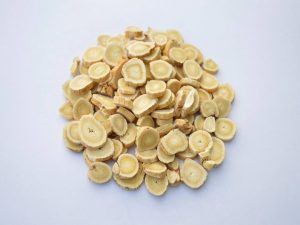
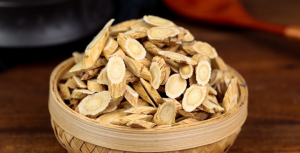
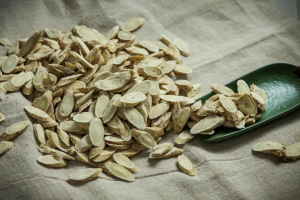
- Dried astragalus root slices simmered into tea is the traditional method for lung support. Simmer 15–25 minutes to extract active compounds.
- Standardized astragalus capsules containing astragalosides offer convenient daily dosing.
- Cyclic intake routine: Take daily for 6–8 weeks, then pause for one week to prevent adaptation. Many herbal protocols pair astragalus with reishi mushroom or cordyceps to amplify lung and oxygen-support benefits.
Safety Guidelines
- Pregnant or breastfeeding individuals should consult a healthcare provider before daily supplementation.
- People with autoimmune conditions should seek professional guidance due to astragalus’ immune-modulating effects.
- Astragalus is complementary support and cannot replace prescription treatment for chronic lung disease. Always follow medical advice for diagnosed respiratory conditions.
Final Thoughts
Astragalus root lung health support offers a gentle, sustainable approach to protect respiratory tissue, reduce inflammation, strengthen immune barriers, and boost breathing stamina. Whether you aim to defend against environmental irritants, recover after viral lung stress, or maintain healthy lung function as you age, astragalus targets the root of weak respiratory resilience instead of simply masking symptoms. For anyone seeking natural long-term respiratory wellness, it remains one of the most well-researched traditional lung tonics available.

Interessanter Artikel! Ich nehme Astragalus schon seit letztem Herbst als Tee und habe das Gefühl, dass ich besser durch die Erkältungszeit komme. Gerade die Kombination aus Entzündungshemmung und Stärkung der Abwehrkräfte finde ich spannend. Dass die moderne Forschung die alte TCM-Weisheit bestätigt, ist wirklich beruhigend. Werde ich auf jeden Fall im Hinterkopf behalten. Danke für
I’ve been using astragalus in my tea since last fall, and I honestly feel it’s helped me bounce back from seasonal colds much faster. This article does a great job explaining why it works on a deeper level—not just
黃耆真是好東西!以前只知道它能補氣,看完這篇才明白它對呼吸系統的保護這麼全面。這幾年空污嚴重,