
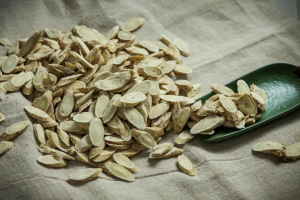
Chemotherapy is a life-saving cancer treatment, yet it causes severe, debilitating side effects that drastically reduce quality of life. The most universal complaint is extreme persistent fatigue, paired with severe immune suppression, slow tissue repair, gut irritation, and post-treatment weakness that can last months after finishing cycles. Astragalus root is a well-researched complementary herb for patients undergoing chemo; it mitigates treatment-induced fatigue, protects immune cell counts, and supports organ vitality—only with full oncologist oversight.
Important Disclaimer: Astragalus does not treat, cure, or replace chemotherapy, radiation, or anti-cancer medication. All patients must share this supplement with their medical oncology team before starting. Do not initiate astragalus during active chemo cycles without explicit doctor approval, as immune-modulating herbs require personalized monitoring for cancer treatment protocols.
TCM View of Chemotherapy Damage
Chemotherapy acts as a harsh “toxic heat” pathogen that severely depletes Spleen Qi, Lung Qi, and Blood. Weak Spleen function disrupts digestion and nutrient absorption, leading to profound fatigue and weight loss. Depleted Wei Qi and low blood cell counts create extreme vulnerability to colds and secondary infection between chemo rounds. Astragalus tonifies Spleen and Lung Qi, replenishes blood production, and reinforces the body’s defensive barrier to counteract treatment-induced exhaustion and immune collapse.
Scientific Mechanisms Supporting Chemo Patients
1. Reverse Chemotherapy-Induced Leukopenia
Chemo drugs rapidly destroy dividing white blood cells, leaving patients immunocompromised. Multiple clinical studies confirm astragalus polysaccharides stimulate bone marrow production of leukocytes, mitigating dangerous drops in white blood cell counts between treatment cycles.
2. Reduce Severe Treatment Fatigue
Chemo damages mitochondrial energy production across all bodily tissue, creating unrelenting exhaustion. Astragalus restores cellular ATP generation, easing persistent tiredness that interferes with daily activity and recovery.
3. Protect Healthy Organ Tissue From Chemo Toxicity
Chemotherapy damages healthy liver, gut, and mucosal tissue alongside rapidly dividing cancer cells. Astragalus delivers antioxidant and anti-inflammatory protection to non-cancerous organs, lessening gastrointestinal irritation and systemic toxic stress.
4. Modulate Immune Function Without Interfering With Chemo
Under medical supervision, astragalus balances immune activity: it rebuilds depleted defensive white blood cells without counteracting the intended therapeutic effects of chemotherapy regimens.
5. Improve Gut Barrier Health Damaged By Chemo
Chemo erodes intestinal lining, causing nausea, poor appetite, and leaky gut. Astragalus repairs gut tight junctions, restores balanced microbiome, and reduces post-cycle digestive distress.
Patients Who May Qualify for Astragalus Support (Oncologist Approved)
- Adults experiencing extreme persistent fatigue during chemo cycles
- Patients with recurring low white blood cell counts between treatments
- Those struggling with poor appetite, bloating, and post-chemo digestive upset
- Individuals prone to colds, sinus infections during treatment breaks
- Patients recovering post-chemotherapy with lingering long-term fatigue
Critical Safety Guidelines
- Mandatory Oncologist Approval First: Some chemo protocols target immune activity, so astragalus may need to be paused during active infusion weeks per your cancer care team’s instructions.
- Never use astragalus as a substitute for scheduled chemo, radiation, or prescribed anti-cancer medications.
- Track blood cell counts closely while supplementing to monitor leukocyte improvements under medical supervision.
- Cyclic dosing will be customized by your oncologist; standard 6–8 week cycles may be adjusted around treatment schedules.
- Discontinue immediately and alert your oncology team if you develop fever or unusual digestive distress after starting astragalus.
How to Use Astragalus for Chemo-Related Fatigue
- After oncologist clearance: Daily low-dose astragalus decoction tea on non-infusion weeks to rebuild Qi and immune cell counts.
- Standardized low-potency polysaccharide extracts for patients who cannot tolerate herbal tea’s earthy flavor during nausea spells.
- Synergistic gentle herbal pairs for chemo recovery: astragalus + codonopsis (gentle Qi tonic for sensitive guts), astragalus + reishi (immune organ protection, doctor-approved).
Final Thoughts
Astragalus root chemotherapy fatigue support is a well-documented complementary herbal tool for reducing the most debilitating side effects of chemotherapy treatment. With medical oversight, it boosts depleted white blood cell production, restores cellular energy to ease crippling exhaustion, protects healthy organ tissue from chemo toxicity, and repairs damaged gut lining. It does not fight cancer itself, but it drastically improves quality of life during and after chemo cycles by rebuilding the vital Qi and immune function destroyed by harsh anti-cancer therapies.
Q1: Can I take astragalus on the same day as my chemo infusion?
A: This depends entirely on your oncologist’s treatment plan. Many providers advise pausing supplements during active infusion weeks to avoid any interaction risk; always follow their personalized guidance.
Q2: Does astragalus raise dangerously low white blood cells from chemo?
A: Clinical research shows astragalus stimulates bone marrow leukocyte production to mitigate chemo-induced leukopenia, lowering infection risk between cycles under blood test monitoring.
Q3: Will astragalus interfere with how my chemotherapy works?
A: When used per your oncologist’s instructions on off-treatment weeks, it does not counteract chemo therapeutic effects. Self-medicating without clearance carries unknown risks for your specific cancer regimen.
Q4: How long until chemo fatigue eases with astragalus supplementation?
A: Most patients report mild improvements in daily energy levels after 2–3 weeks of consistent intake on non-chemo weeks; larger gains in stamina appear after 4–6 weeks of cyclic support.
Q5: Can astragalus help chemo-related loss of appetite and gut upset?
A: Yes, its Spleen-tonifying action repairs chemo-damaged intestinal lining, reduces bloating, and gradually restores healthy appetite by improving nutrient absorption.
Q6: Are there cancer patients who must avoid astragalus entirely?
A: Patients with specific immune-targeted chemo/immunotherapy regimens, hormone-driven cancers requiring strict immune suppression, must avoid astragalus per oncologist orders. Pregnant chemo patients require dual OB/oncology clearance.
Q7: How is astragalus different from iron supplements for chemo fatigue?
A: Iron only addresses fatigue caused by anemia. Astragalus fixes multiple root causes of chemo exhaustion: low white blood cells, mitochondrial damage, gut malabsorption, and systemic toxic inflammation for full-body energy restoration.
Que artigo interessante! A fadiga da quimioterapia é algo que poucos entendem, parece que o cansaço nunca vai embora. Li recentemente sobre a raiz de astrágalo, e é bom ver mais atenção a esses suportes natura
This is so timely—my mom went through chemo last year and the fatigue was brutal, nothing prepared us for it. We only discovered astragalus afterward, but I wish we’d known sooner. Has anyone here tried it during treatment, or is it more of a post-chemo support? Would love to hear real experiences before suggesting it
This is really interesting—I wish I’d known about astragalus when my mom was going through chemo. The fatigue was brutal, and she struggled with low immunity for months after. Did the article mention any specific dosage or form (tea, tincture) that works best? Would love to hear if anyone has tried it alongside standard care.
This is such an important topic. The fatigue after chemo is something people don’t talk about