
Cordyceps is heavily marketed online as a “natural testosterone booster”. It is critical to separate animal / lab‑cell research findings from proven human clinical outcomes. Cultivated Cordyceps militaris shows promising signals in rodent and in‑vitro studies on testicular Leydig‑cell function, but there are no high‑quality human randomized controlled trials proving oral cordyceps supplementation directly elevates serum total or free testosterone in men.
Important Disclaimer: Cordyceps is complementary wellness adaptogen, not testosterone‑replacement therapy (TRT). It cannot treat clinical hypogonadism. If you suspect low testosterone, you must complete formal blood lab testing with an endocrinologist or urologist. Do not discontinue prescribed testosterone medications based on herbal supplement use.
Traditional TCM Perspective: Cordyceps and Reproductive Hormone Vitality
In Traditional Chinese Medicine, reproductive‑hormone‑related vitality is governed by Kidney Jing (Essence) and Kidney‑Yang. Kidney‑Jing deficiency signs: persistent fatigue, lower‑back soreness, knee weakness, reduced libido, night‑time urination, slow recovery after stress or illness.
Cordyceps tonifies both Lung Qi and Kidney Jing. TCM theory does not claim cordyceps directly “increases hormones”. Instead it replenishes deep constitutional reserves. Improved sleep, reduced chronic stress and better whole‑body vitality may indirectly support healthy endogenous hormone balance. It works for depletion‑pattern imbalances; it cannot fix primary organic hormone‑gland defects.
Pre‑Clinical Science Findings (Cell / Animal Research Only)
All mechanisms below come from mouse, rat and lab‑cell studies. These results do not reliably translate directly to human bodies.
1. Effects on Leydig cells (testosterone‑producing testicular cells)
In‑vitro mouse studies show cordyceps extracts can stimulate Leydig‑cell steroidogenesis via cAMP‑PKA signalling pathways, raising testosterone output in lab settings In rodent feeding experiments, certain dosages increased circulating testosterone in mice and rats.
Critical limitation: Effective dosages used in many animal experiments are far higher relative to body‑weight than standard human supplement doses. Some rodent studies also report conflicting outcomes; in tobacco‑smoke‑exposed rats cordyceps even showed lowered testosterone values under experimental conditions.
2. Antioxidant protection for testicular tissue
Oxidative stress damages Leydig‑cell function. Cordycepin and polysaccharides reduce reactive‑oxygen‑species damage to testicular tissue in animal models, preserving steroid‑producing cell health. This is a protective effect rather than direct hormone‑stimulation.
3. HPA‑axis adaptogenic modulation: indirect hormone benefit
Chronic high cortisol suppresses the hypothalamic‑pituitary‑gonadal (HPG) axis, which can drag down endogenous testosterone output in humans. As an adaptogen, cordyceps modulates stress‑hormone balance. In humans, any favourable effect on testosterone is most likely indirect, through less chronic stress, better sleep and improved physical vitality — not by directly kicking testes to make more hormone.
4. Sperm‑support observations (pre‑clinical only)
Animal research demonstrates cordyceps can improve sperm count, motility and reduce abnormal sperm morphology. Again, human fertility trial evidence remains limited.
Real‑World Human Expectations
- There is no solid clinical proof oral cordyceps raises measured serum testosterone levels in healthy men or men with borderline low testosterone.
- If you have clinical hypogonadism (confirmed via blood labs), cordyceps cannot substitute prescription testosterone replacement therapy.
- Where users report improvements in libido, energy and mood after taking cordyceps: these outcomes may stem from better mitochondrial energy, lower stress and improved sleep quality — not a measurable jump in testosterone lab values.
Which Groups May See Indirect Wellness Benefits (Not Hormone Boost)
These are functional wellness patterns, not medical diagnoses. Always get lab testing for confirmed hormone disorders.
- Men with stress‑ and burnout‑driven fatigue, where chronic high cortisol may be suppressing endogenous hormone signalling
- Constitutional depletion after long‑term overwork, heavy training or viral illness
- Men who have normal testosterone lab results yet still suffer low vitality linked to Kidney‑Jing‑deficiency pattern in TCM
Groups That Will See No Meaningful Testosterone‑Related Benefit:
- Confirmed primary / secondary hypogonadism requiring medical TRT
- Testicular damage from injury, chemo, radiation
- Genetic or organic pituitary‑gland disorders affecting gonadotropin signalling
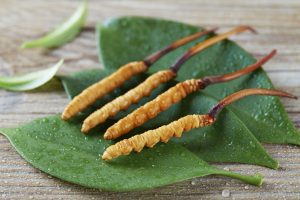
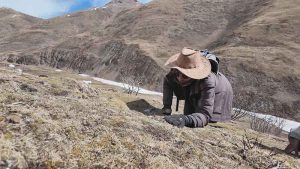
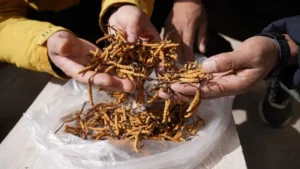
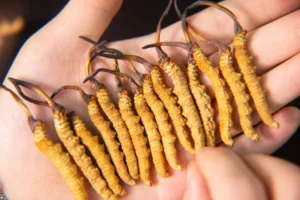
Wild‑Harvested vs Cultivated Cordyceps Comparison for Hormone‑Related Wellness
| Item | Ophiocordyceps sinensis (Wild caterpillar fungus) | Cultivated Cordyceps militaris |
|---|---|---|
| Pre‑clinical reproductive bioactives | Variable content, batch‑to‑batch inconsistent | Standardised cordycepin + polysaccharides under controlled cultivation |
| Quality risk | High adulteration, heavy‑metal contamination risk | Lab‑testable, repeatable potency |
| Cost | Extremely expensive for daily long‑term intake | Cost‑effective for cyclic wellness supplementation |
| Research source for reproduction | Mostly old observational TCM records | Majority of modern animal pre‑clinical studies use Cordyceps militaris |
| Practical recommendation | Not recommended for regular daily use | Preferred choice for wellness‑oriented supplementation |
Important market warning: Many unregulated “testosterone‑boost” supplements labelled as cordyceps secretly add synthetic androgen compounds, creating dangerous health risks. Always choose third‑party batch‑tested products.
Recommended Usage, Dosage & Timing
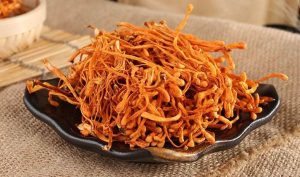
- Forms: Standardised dual‑extract capsules / powder (preferred for consistent bio‑actives); decoction tea (simmer fruiting‑bodies for 15‑20 min).
- Adult male dosage for vitality‑hormone‑adjunct goals: 1500‑3000 mg standardized Cordyceps militaris extract per day.
- Timing: Morning or early‑afternoon intake. Sensitive people can experience mild alertness; avoid large doses late in the evening to prevent sleep disruption (poor sleep itself lowers testosterone).
- Cyclic protocol: Take daily for 6‑8 weeks, followed by one‑week rest break. Do not expect fast hormone shifts. If you hope to evaluate effects, do baseline and post‑cycle blood testosterone lab work.
- Synergistic herbal wellness pairs:
- cordyceps + astragalus root: tonify Lung‑Spleen‑Kidney Qi for energy and stress resilience
- cordyceps + schisandra berry: adaptogen support for HPA‑axis stress balance
Critical Safety Guidelines & Contraindications
- Confirmed low‑testosterone / hypogonadism: Never replace prescribed TRT with cordyceps herbal supplementation. Always follow urologist / endocrinologist treatment plan.
- Anticoagulant / anti‑platelet medication: Cordyceps shows mild anti‑platelet activity. If you take blood‑thinners you require doctor approval before starting.
- Pre‑surgery: Discontinue cordyceps minimum two weeks before scheduled surgery for theoretical bleeding‑risk mitigation.
- Prostate‑related disease (BPH, prostate cancer): Men with prostate conditions must consult a urologist before taking cordyceps, given its reproductive‑tissue‑modulating pre‑clinical signals.
- Autoimmune illness / transplant recipients on immunosuppressants: Cordyceps is immune‑modulating; specialist clearance mandatory before self‑supplementing.
- Pregnant / breastfeeding women: Avoid cordyceps, insufficient human‑safety data.
- Cordyceps is adjunct wellness support only. Factors such as sleep, body fat percentage, resistance training and stress management have far larger proven impact on human testosterone levels than cordyceps supplementation.
Final Thoughts
Cordyceps for testosterone marketing heavily draws on promising rodent and cell‑culture research, but human clinical evidence is absent for direct testosterone‑raising effects in people. It cannot function as a natural alternative to prescription testosterone replacement therapy.
What cultivated Cordyceps militaris may offer is indirect whole‑body support: better mitochondrial energy, adaptogenic stress‑cortisol balance and antioxidant testicular‑tissue protection. These wellness benefits may support your body’s native hormone‑producing systems, but they are not guaranteed to raise your measured testosterone blood values. For anyone investigating hormone health, lab testing, sleep optimisation, exercise and medical consultation remain the gold standard.
Q1: Does cordyceps raise testosterone in human beings?
A: Multiple animal‑model experiments show positive Leydig‑cell‑stimulating signals, but there are no high‑quality human randomized controlled trials proving oral cordyceps increases human serum testosterone. Any real‑world benefit in humans is likely indirect, coming from reduced chronic stress, improved sleep and better vitality, not direct hormone stimulation. It cannot treat clinical hypogonadism.
Q2: Can I use cordyceps instead of doctor‑prescribed testosterone replacement therapy?
A: Absolutely not. If lab tests confirm hypogonadism, follow your endocrinologist or urologist’s prescription plan. Cordyceps is only complementary wellness support, it is no substitute for TRT.
Q3: If my testosterone lab results are normal but I feel low‑vitality, can cordyceps help me?
A: It may help for fatigue linked to stress, overwork or constitutional depletion (TCM Kidney‑Jing deficiency pattern). It will not alter your testosterone lab numbers, but may improve energy, recovery and quality‑of‑life markers.
Q4: Should I get blood work before and after taking cordyceps to check testosterone?
A: Yes, if you want objective data: run baseline total / free testosterone labs before you start, then retest after your 6‑8‑week supplementation cycle, to see if there are measurable changes for you as an individual.
Q5: Can I combine cordyceps with astragalus for male reproductive‑hormone wellness?
A: Yes, this classic TCM pairing supports whole‑body energy, circulation and stress resilience. Take in morning hours to avoid potential sleep‑disturbance in sensitive users.
Q6: Are there side‑effects of taking cordyceps for hormone‑related wellness?
A: Generally well‑tolerated for healthy adult men. Rare mild digestive bloating or loose stools can occur when first starting. Sensitive people may feel heightened alertness if dosed too late in the evening. Discontinue if mushroom‑related allergic reaction occurs. If you have prostate disease, consult your urologist before use.
Q7: Is wild Ophiocordyceps sinensis better than cultivated Cordyceps militaris for testosterone support?
A: No. Wild sinensis is extremely expensive, frequently adulterated and carries heavy‑metal‑contamination risk. Cultivated Cordyceps militaris contains the key pre‑clinically‑studied bio‑actives (cordycepin, polysaccharides), and is the practical choice for everyday wellness supplementation.

This is such an important reality check. It’s easy to get swept up in all the hype around “natural test boosters,” but the gap between a petri dish and a real gym bro is huge. I