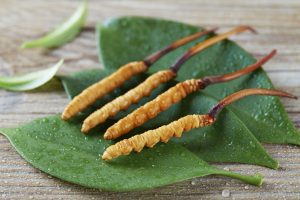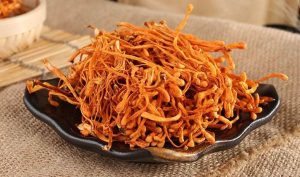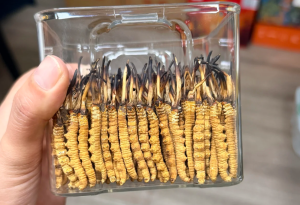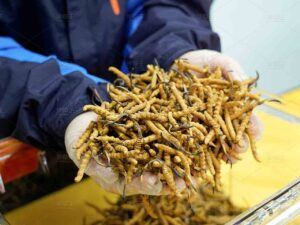
Cultivated Cordyceps militaris is widely studied for its ability to modulate inflammatory pathways. Within Traditional Chinese Medicine (TCM, 中医), cordyceps is applied to inflammatory imbalances linked to deficiency mixed with internal damp‑heat (虚实夹杂,deficiency‑damp‑heat mixed patterns). It is important to emphasize: cordyceps is not a replacement for anti‑inflammatory pharmaceutical drugs. It does not shut down inflammation completely; instead it helps balance over‑active chronic inflammatory responses while preserving normal acute inflammation needed for healing. Most anti‑inflammatory findings come from cell and animal research; large human clinical trials remain limited.
Important Disclaimer: Cordyceps is complementary wellness support only. It cannot treat autoimmune disease, arthritis or other clinical inflammatory disorders. If you suffer from persistent inflammatory conditions, follow your healthcare provider’s treatment plan. Do not stop prescribed anti‑inflammatory or immunosuppressant medications on your own.
Traditional Chinese Medicine Perspective: Cordyceps and Inflammatory Imbalance
In TCM theory (中医理论), chronic low‑grade inflammation often corresponds to patterns of Kidney Jing deficiency combined with damp‑heat accumulation (肾精亏虚兼湿热内蕴).
Long‑term stress, chronic illness, aging or overtraining consumes Kidney Jing. When the body’s core constitutional reserves become weak, internal damp‑heat easily lingers. People with this pattern commonly show persistent low‑grade swelling, lingering joint discomfort, recurring respiratory irritation, fatigue, thick sticky discharges and low‑grade heat sensations.
Cordyceps works as a dual Lung‑Kidney tonic (补肺益肾). It nourishes Kidney Jing and tonifies Lung Qi, strengthening the body’s foundational resistance so it can better resolve lingering damp‑heat inflammatory signals. It does not act as a harsh cold‑nature heat‑clearing herb. Therefore, it is suitable for deficiency‑rooted chronic inflammation, not for sharp acute‑heat inflammation in robust people with no physical deficiency.
Important TCM note: For pure excess damp‑heat without deficiency, cordyceps alone is insufficient and may even worsen heat‑related symptoms. Herbalist guidance is recommended for such cases.
Modern Scientific Mechanisms & Research Findings
Note: Strong anti‑inflammatory effects are observed in cell culture and animal models. Human research is promising but still preliminary.
1. Inhibit NF‑κB major inflammatory signalling pathway
NF‑κB is the master switch driving excess production of pro‑inflammatory mediators. Cordycepin and cordyceps polysaccharides suppress NF‑κB activation, lowering over‑production of key inflammatory cytokines including TNF‑α, IL‑1β and IL‑6. These cytokines are major contributors to systemic chronic low‑grade inflammation.
2. Modulate NLRP3 inflammasome activity
The NLRP3 inflammasome drives persistent sterile inflammation linked to metabolic disorders, post‑viral syndrome and aging‑related inflammation. Pre‑clinical studies demonstrate cordyceps compounds can dampen excessive NLRP3 inflammasome over‑activation without fully blocking necessary immune defensive responses.
3. Boost antioxidant defence to reduce oxidative‑inflammation loop
Oxidative stress and inflammation reinforce each other in a vicious cycle. Cordyceps up‑regulates Nrf2 antioxidant pathway, raising endogenous antioxidant molecules inside cells. Reduced oxidative stress further lowers secondary inflammatory triggers throughout the body.
4. Support gut barrier to reduce metabolic endotoxemia
Cordyceps polysaccharides function as prebiotics. They support intestinal barrier integrity and beneficial gut microbiota. A leaky gut allows bacterial fragments to enter circulation and trigger systemic low‑grade inflammation. By protecting gut mucosa, cordyceps indirectly reduces gut‑originated inflammatory load.
5. Post‑exercise inflammatory modulation
Strenuous exercise creates temporary muscle inflammation and oxidative damage. Small human exercise trials show supplementation with Cordyceps militaris helps moderate post‑workout inflammatory markers, easing delayed‑onset muscle soreness, without suppressing the normal adaptive inflammatory response required for muscle growth.
6. Human clinical observations
Several small human trials show cordyceps supplementation can reduce circulating inflammatory markers (CRP, IL‑6) in subjects with metabolic stress, post‑viral fatigue and aging‑related low‑grade inflammation. However, study sample sizes are small, and results are not consistent across all trials. No high‑quality large RCT proves cordyceps can replace standard anti‑inflammatory medical therapies.
Which People May Gain Adjunct Anti‑Inflammatory Wellness Support
These are functional wellness patterns, not formal medical diagnoses:
- Chronic low‑grade systemic inflammation paired with physical depletion, fatigue, post‑viral recovery state
- Overtrained athletes seeking balanced post‑exercise inflammatory response and muscle recovery
- Middle‑aged and older adults with age‑related mild inflammatory burden alongside constitutional weakness
- Metabolic imbalance conditions with elevated inflammatory markers, accompanied by TCM Kidney‑Lung deficiency signs
Groups expecting minimal or inappropriate benefit:
- Severe acute inflammatory flares, acute infection with high fever in people without deficiency
- Autoimmune disease acute flare‑ups requiring strict medical management
- Pure excess damp‑heat pattern without underlying physical deficiency (may need additional heat‑clearing herbal support)
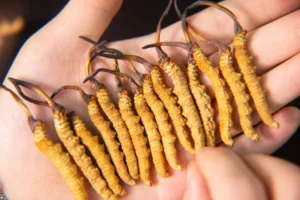
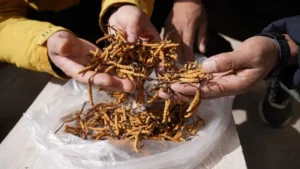
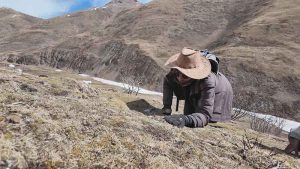
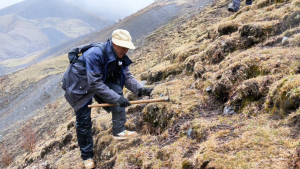
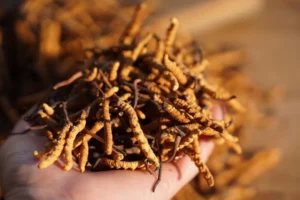
Wild Ophiocordyceps sinensis vs Cultivated Cordyceps militaris for Inflammation Balance
| Item | Ophiocordyceps sinensis (Wild caterpillar fungus) | Cultivated Cordyceps militaris |
|---|---|---|
| Anti‑inflammatory bioactives | Variable cordycepin and polysaccharide content, inconsistent batch quality | Controlled indoor cultivation, standardized cordycepin and polysaccharide levels |
| Quality risks | High adulteration risk, heavy‑metal contamination from high‑altitude soil | Third‑party lab‑testable raw material, stable potency |
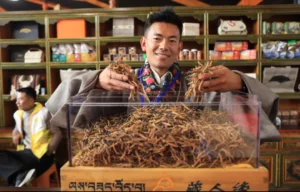
| Cost | Extremely expensive for long‑term daily supplementation | Cost‑effective for cyclic wellness use |
| Research background | Mainly traditional TCM observational records | Majority of modern anti‑inflammation pre‑clinical studies use cultivated Cordyceps militaris |
| Practical recommendation | Not recommended for regular daily anti‑inflammatory support | Preferred choice for inflammatory‑balance adjunct supplementation |
Important market warning: Some herbal products marketed for inflammation may add hidden NSAID‑like compounds. Always choose independently third‑party tested cordyceps supplements.
Recommended Usage, Dosage & Timing for Inflammatory‑Balance Wellness
Cordyceps may stimulate alertness in sensitive individuals. Evening high‑dose intake should be avoided for susceptible users.
- Forms: Standardized dual‑extract capsules / powder; cordyceps fruiting‑body decoction tea.
- Adult daily dosage for inflammatory‑balance adjunct goals: 1500‑2500 mg standardized Cordyceps militaris extract per day.
- Timing: Take in morning or early afternoon. Late‑day dosing may cause mental alertness and disturb sleep for sensitive people.
- Cyclic protocol: Take daily for 6‑8 weeks, followed by a 7‑day rest break. Changes in inflammatory markers develop gradually. If possible, compare baseline and post‑cycle blood inflammatory markers such as CRP. If zero benefit after 8‑12 weeks, discontinue supplementation.
- Synergistic herbal combinations:
- cordyceps + astragalus root: supports immune‑inflammatory balance for deficiency‑type chronic inflammation
- cordyceps + schisandra berry: enhances antioxidant defence and reduces oxidative‑inflammatory stress
Critical Safety Guidelines & Contraindications
- Not anti‑inflammatory drug: Cordyceps modulates but does not eliminate inflammation. It cannot replace NSAIDs or prescription anti‑inflammatory medications. Never discontinue prescribed treatment without doctor approval.
- Anticoagulant / anti‑platelet medication: Cordyceps shows mild anti‑platelet activity. If you take blood‑thinning medicines, obtain medical clearance before supplementation due to bleeding risk.
- Pre‑surgery: Discontinue cordyceps at least two weeks before scheduled surgery.
- Autoimmune disease / immunosuppressant drugs: Cordyceps is immune‑modulating. It may alter immune activity. Specialist medical supervision is mandatory; do not self‑supplement.
- Pregnancy and breastfeeding: Avoid cordyceps, insufficient human safety data for these life stages.
- If you experience increased heat sensation, restlessness or digestive upset after taking cordyceps, lower dosage or stop use. This may indicate a pure excess damp‑heat pattern unsuitable for cordyceps monotherapy.
- Foundational lifestyle factors matter most for inflammation management: balanced diet rich in antioxidants, adequate sleep, stress management and moderate physical activity produce proven broad anti‑inflammatory effects.
Final Thoughts
Cordyceps for inflammation draws theoretical support both from centuries‑old TCM practice (中医) and modern pre‑clinical science. In TCM, it addresses chronic inflammatory imbalances rooted in Kidney‑Lung deficiency mixed with lingering damp‑heat. Modern lab research confirms cordycepin and polysaccharides suppress NF‑κB, NLRP3 inflammasome and pro‑inflammatory cytokine production, while boosting antioxidant and gut‑barrier defence.
Human clinical evidence remains preliminary. Cultivated Cordyceps militaris works best as adjunct wellness support for chronic low‑grade inflammation accompanied by bodily depletion. It is not suitable for acute hot inflammatory flares without deficiency. Wild cordyceps carries high cost and contamination risks and is not recommended for daily routine use. Always follow professional medical care for diagnosed inflammatory illnesses.
Q&A
Q1: Can cordyceps replace ibuprofen or prescription anti‑inflammatory drugs?
A: No. Cordyceps is a mild immune‑inflammatory modulator, not a fast‑acting anti‑inflammatory drug. It cannot substitute pharmaceutical anti‑inflammatory therapy. Do not stop prescribed medications without physician consent.
Q2: What type of inflammation may cordyceps help with?
A: It is most suitable for chronic low‑grade inflammation linked to physical deficiency, post‑viral fatigue, aging‑related inflammatory burden and post‑exercise recovery. It is not designed for acute feverish inflammatory flares in people without constitutional weakness.
Q3: How long does it take for cordyceps to influence inflammatory status?
A: Inflammatory shifts develop slowly. Allow 6‑8 weeks of consistent cyclic supplementation. Blood markers such as CRP can offer objective reference. If no improvement after 12 weeks, discontinue use.
Q4: Will cordyceps completely turn off all inflammation in my body?
A: No. Healthy acute inflammation is essential for wound healing and infection defence. Cordyceps modulates over‑exaggerated chronic inflammatory responses rather than fully suppressing normal immune‑inflammatory function.
Q5: Can I combine cordyceps with astragalus for chronic inflammation balance?
A: Yes. This classic TCM pairing supports qi‑tonification and balanced inflammatory response for deficiency‑type chronic inflammation. Prefer morning‑early‑afternoon intake.
Q6: Are there potential side‑effects of taking cordyceps for inflammation support?
A: Most healthy adults tolerate it well. Rare mild gastrointestinal bloating or loose stools can appear at the start. People with pure damp‑heat excess pattern may feel increased internal heat or restlessness. Stop for any mushroom‑related allergic reaction. People on blood‑thinners or immunosuppressants need doctor supervision.
Q7: Is wild Ophiocordyceps sinensis better than cultivated Cordyceps militaris for inflammatory health?
A: No. Wild cordyceps is very expensive, frequently adulterated and has heavy‑metal contamination hazards. Cultivated Cordyceps militaris delivers standardized cordycepin and polysaccharides and is the preferred choice for inflammatory‑balance wellness supplementation.