
Cultivated Cordyceps militaris is widely studied for lipid‑metabolism support. Within Traditional Chinese Medicine (TCM, 中医), cordyceps has long been used for patterns known as “blood turbidity, phlegm‑damp accumulation (血浊痰浊)” that correspond to modern‑day dyslipidemia and high cholesterol. It is critical to clarify upfront: cordyceps is not a cholesterol‑lowering prescription drug. It cannot replace statins or other lipid‑lowering medications. Most lipid‑regulating evidence comes from cell and animal research; human clinical trials are small‑scale and results are mixed. It works as complementary wellness support rather than medical treatment for high cholesterol.
Important Disclaimer: Cordyceps is complementary wellness support only. It cannot treat clinical hyperlipidemia, atherosclerosis or cardiovascular disease. If you have elevated cholesterol, follow your doctor’s treatment plan. Never stop or reduce prescribed cholesterol‑lowering medications without explicit medical approval.
Traditional Chinese Medicine Perspective: Cordyceps and Blood‑Lipid Imbalance
In TCM theory (中医理论), high cholesterol and dyslipidemia mostly fall under the pattern of Kidney‑Lung deficiency combined with internal phlegm‑damp turbidity (肺肾亏虚,痰浊内蕴).
Aging, chronic illness, long‑term stress, poor diet and constitutional weakness consume Kidney Jing and Lung Qi. When the body’s core metabolic function becomes weakened, damp‑phlegm accumulates inside blood vessels and tissues. Common accompanying signs include fatigue, heavy body sensation, chest stuffiness, lower‑back soreness and sluggish circulation.
Cordyceps acts as a dual Lung‑Kidney tonic (补肺益肾). It nourishes Kidney essence, tonifies Lung Qi, improves internal qi movement, helping the body transform and resolve phlegm‑damp turbidity within the circulation.
Important TCM note: Cordyceps fits best for dyslipidemia rooted in underlying constitutional deficiency. For pure excess‑damp‑phlegm patterns in robust people without deficiency, cordyceps alone is insufficient and needs additional herbal combinations guided by a qualified TCM practitioner.
Modern Scientific Mechanisms & Research Findings
Note: Lipid‑modulating effects are well‑documented in pre‑clinical models. Human data remains preliminary and inconsistent across different trials.
1. Inhibit key cholesterol‑synthesis enzyme and activate AMPK pathway
Cordycepin and cordyceps polysaccharides suppress HMG‑CoA reductase, the core enzyme driving endogenous cholesterol production inside the liver. Meanwhile, cordyceps activates AMPK, the master cellular metabolic switch. AMPK activation accelerates fat breakdown, reduces hepatic lipid build‑up, improves overall metabolic flexibility.
2. Improve cholesterol efflux and reduce macrophage foam‑cell formation
Cordyceps compounds up‑regulate PPARγ‑LXRα‑ABCA1/ABCG1 signalling pathways. This promotes cholesterol outflow from macrophage cells, lessens cholesterol deposition inside arterial walls and slows foam‑cell generation, one critical step in atherosclerosis progression.
3. Lower oxidative stress and protect LDL from oxidation
Oxidized LDL is a major driver of arterial plaque formation. Cordycepin and polysaccharides boost Nrf2 antioxidant defence, reduce oxidative damage to lipoproteins and vascular tissue, indirectly lowering atherosclerotic risk.
4. Modulate triglyceride metabolism and gut‑lipid handling
Cordyceps polysaccharides function as prebiotics, remodelling gut microbiota composition. Improved intestinal barrier function helps reduce metabolic endotoxemia linked to dyslipidemia. Animal studies show cordyceps supplementation lowers serum triglycerides, total cholesterol and LDL‑C, while moderately raising protective HDL‑C levels.
5. Human clinical observations
Small human studies show mixed outcomes. Some trials on patients with chronic kidney disease or metabolic disorders report modest reductions in total cholesterol, LDL‑C and triglycerides alongside slight HDL‑C elevation after cordyceps supplementation. Other trials on general hyperlipidemia populations yield inconsistent results. No large‑scale high‑quality RCT confirms cordyceps can achieve pharmaceutical‑grade lipid‑lowering effects in broad populations.
Which People May Gain Adjunct Lipid‑Profile Wellness Support
These describe functional wellness patterns, not formal medical diagnoses:
- Mild‑to‑moderate dyslipidemia accompanied by TCM Kidney‑Lung deficiency signs: persistent fatigue, lower‑back soreness, post‑illness constitutional weakness
- Middle‑aged and older adults with age‑related lipid shifts and metabolic decline
- People with metabolic syndrome‑related lipid imbalances who want adjunct nutritional support alongside diet‑lifestyle modification
Groups expecting minimal or inappropriate benefit:
- Severe hypercholesterolemia, familial hyperlipidemia requiring prescription‑strength medical intervention
- Pure excess phlegm‑damp pattern without underlying physical deficiency (cordyceps monotherapy may deliver limited benefit)
- Advanced atherosclerotic cardiovascular disease under strict medical management
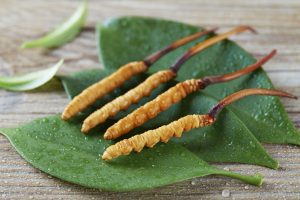
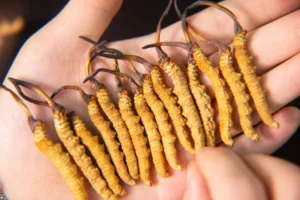
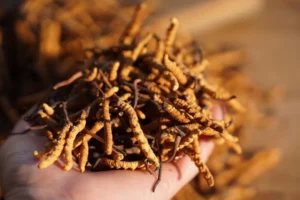
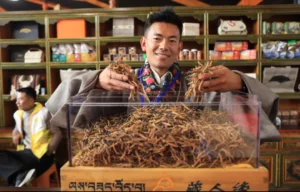
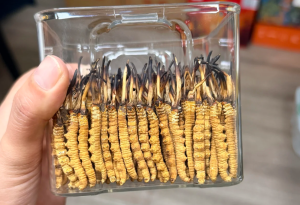
Wild Ophiocordyceps sinensis vs Cultivated Cordyceps militaris for Cholesterol Support
| Item | Ophiocordyceps sinensis (Wild caterpillar fungus) | Cultivated Cordyceps militaris |
|---|---|---|
| Lipid‑relevant bioactives | Unstable cordycepin and polysaccharide levels, large batch‑to‑batch variation | Controlled indoor cultivation; standardized cordycepin and polysaccharide content |
| Quality risks | High adulteration risk, heavy‑metal contamination from high‑altitude soil | Third‑party lab‑testable raw material, stable potency |
| Cost | Extremely expensive for long‑term daily supplementation | Cost‑effective for cyclic wellness use |
| Research background | Mainly historical TCM observational records | Majority of modern lipid‑metabolism pre‑clinical studies use cultivated Cordyceps militaris |
| Practical recommendation | Not recommended for regular daily cholesterol‑support use | Preferred choice for adjunct lipid‑profile wellness supplementation |
Important market warning: Some “cholesterol‑lowering” herbal blends labelled cordyceps may contain hidden statin‑like compounds. Always select independently third‑party tested cordyceps supplements.
Recommended Usage, Dosage & Timing for Lipid‑Profile Wellness
Cordyceps may trigger mild alertness in sensitive users, so avoid high‑dose late‑day intake.
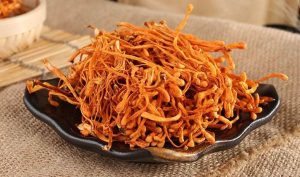
- Forms: Standardized dual‑extract capsules / powder; cordyceps fruiting‑body decoction tea.
- Adult daily dosage for lipid adjunct goals: 1500‑2500 mg standardized Cordyceps militaris extract per day.
- Timing: Take in morning or early afternoon. Late‑day dosing may cause mental alertness and disturb sleep for sensitive people.
- Cyclic protocol: Take daily for 6‑8 weeks, followed by a 7‑day rest break. Lipid changes develop gradually. Compare baseline and post‑cycle blood work (total cholesterol, LDL‑C, HDL‑C, triglycerides). If zero measurable improvement after 12 weeks, discontinue supplementation.
- Synergistic herbal combinations:
- cordyceps + astragalus root: supports qi‑tonification and metabolic balance for deficiency‑type dyslipidemia
- cordyceps + schisandra berry: enhances antioxidant defence to protect vascular tissue
Critical Safety Guidelines & Contraindications
- Not statin‑replacement therapy: Cordyceps delivers only mild adjunct lipid‑modulating effects. It cannot substitute prescription cholesterol‑lowering medicine. Never discontinue prescribed statins or other lipid‑lowering drugs without physician approval.
- Statin interaction note: Limited human interaction data exists. If you take statins, monitor liver‑function blood markers under doctor supervision while using cordyceps.
- Anticoagulant / anti‑platelet medication: Cordyceps shows mild anti‑platelet activity. People taking blood‑thinning medicines require medical clearance before supplementation due to bleeding risk.
- Pre‑surgery: Discontinue cordyceps at least two weeks before scheduled surgery.
- Autoimmune disease / immunosuppressant drugs: Cordyceps is immune‑modulating. Specialist medical supervision is mandatory; do not self‑supplement.
- Pregnancy and breastfeeding: Avoid cordyceps; insufficient human safety data for these life stages.
- If you experience digestive bloating or loose stools after taking cordyceps, lower dosage or pause use.
- Foundational lifestyle factors remain primary for cholesterol management: heart‑healthy diet, regular physical activity, weight management and adequate sleep produce proven broad lipid‑improving effects.
Final Thoughts
Cordyceps for cholesterol combines centuries‑old TCM practice (中医) and modern pre‑clinical science. In TCM framework, it addresses dyslipidemia patterns rooted in Kidney‑Lung deficiency with phlegm‑damp turbidity. Modern lab research demonstrates cordycepin and polysaccharides inhibit cholesterol synthesis, activate AMPK metabolic signalling, reduce macrophage lipid accumulation and defend against oxidative lipoprotein damage.
Human clinical evidence is preliminary and inconsistent. Cultivated Cordyceps militaris works best as adjunct wellness support for mild lipid imbalances paired with constitutional deficiency. It cannot replace prescription lipid‑lowering treatment. Wild caterpillar fungus carries high cost and contamination risks and is not recommended for daily routine use. Always follow professional medical care for diagnosed high‑cholesterol conditions.
Q&A Q1: Can cordyceps replace statin prescription medication for high cholesterol?
A: No. Pre‑clinical models show promising lipid‑regulating mechanisms, but human clinical evidence is limited. Cordyceps is only complementary wellness support. Never stop prescribed statins without your doctor’s guidance.
Q2: What cholesterol‑related situations may cordyceps potentially help?
A: It offers most promise for mild‑to‑moderate dyslipidemia accompanied by physical deficiency, fatigue and aging‑related metabolic decline. It is not suitable for severe or familial hypercholesterolemia requiring pharmaceutical‑grade intervention.
Q3: How long should I take cordyceps before checking my cholesterol blood work?
A: Allow 6‑8 weeks of consistent cyclic supplementation. Compare fasting lipid panel results before and after use. If no measurable improvement after 12 weeks, discontinue supplementation.
Q4: Will cordyceps drastically drop my LDL cholesterol level quickly?
A: No. Expected effects are modest and gradual. It does not produce fast, large‑magnitude lipid‑lowering like prescription statins. Individual responses vary widely.
Q5: Can I combine cordyceps with astragalus for lipid‑profile support?
A: Yes. This classic TCM pairing tonifies qi and supports metabolic balance for deficiency‑pattern dyslipidemia. Prefer morning‑early‑afternoon intake.
Q6: Are there potential side‑effects of taking cordyceps for cholesterol wellness?
A: Most healthy adults tolerate it well. Rare mild gastrointestinal bloating or loose stools can appear at the start. Sensitive individuals may experience heightened mental alertness with late‑day doses. Cease use for any mushroom‑related allergic reaction. People on statins or blood‑thinners need doctor supervision.
Q7: Is wild Ophiocordyceps sinensis better than cultivated Cordyceps militaris for high cholesterol?
A: No. Wild‑sourced cordyceps is extremely expensive, frequently adulterated and carries heavy‑metal contamination hazards. Cultivated Cordyceps militaris delivers standardized cordycepin and polysaccharides and is the preferred practical option for adjunct lipid‑profile supplementation.


좋은 글이네요. 동충하초가 콜레스테롤 수치를 직접 낮추는 약은 아니지만, 전통적으로 ‘담음’이나 ‘혈탁’ 개념으로 접근하는 게 흥미롭네요. 실제로 혈액 순환과 지질 대사에 도움을 줄 수 있다는 연구들이 많아서 보조적으로 챙겨볼 만한 것 같아